
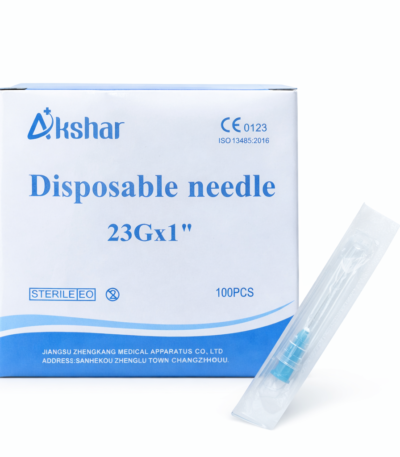
Needles G23 – Box of 100 pcs
Original price was: KSh 250.00.KSh 180.00Current price is: KSh 180.00. Order via WhatsApp
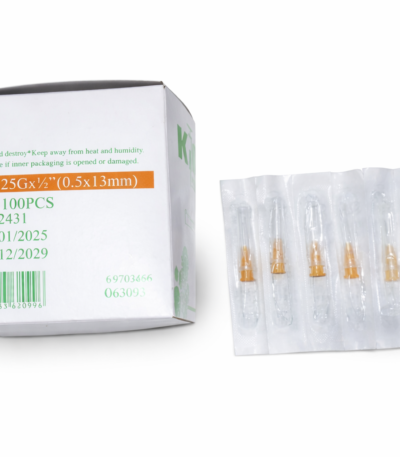
Needles G25 – Box of 100 pcs
Original price was: KSh 270.00.KSh 200.00Current price is: KSh 200.00.Key Features
-
25-gauge size
A thin needle designed to minimize discomfort while still allowing efficient delivery of medication. -
Sterile & disposable
Each needle is individually packaged to ensure hygiene and prevent contamination. -
Luer slip / luer lock compatible
Designed to fit standard syringes used in medical practice. -
High-quality stainless steel
Ensures strength, sharpness, and safe penetration without bending. -
Color-coded hub
G25 needles typically have an orange hub for quick identification. -
Beveled, ultra-sharp tip
Reduces penetration force and enhances patient comfort.
Common Uses
-
Subcutaneous injections
-
Intradermal injections
-
Certain intramuscular injections for small-volume doses
-
Vaccinations (depending on protocol)
-
Insulin, heparin, and hormone injections (when not using pen needles)
-
Drawing small volumes of medication from vials
Benefits
-
Reduced pain and tissue trauma
-
Ideal for pediatric or sensitive patients
-
Reliable and consistent performance
-
Hygienic, safe, and convenient in a bulk box of 100
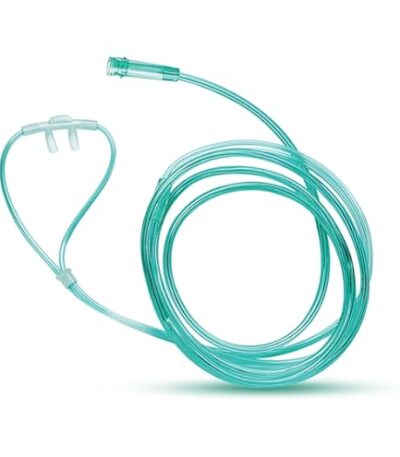
Neonate Oxygen Nasal Prong
Original price was: KSh 350.00.KSh 200.00Current price is: KSh 200.00.Key Features
-
Ultra-small nasal prongs
Tiny, soft prongs fit snugly into a newborn’s nostrils without causing trauma or pressure. -
Extremely soft tubing
Made from very flexible, medical-grade PVC or silicone to prevent skin breakdown around the cheeks and ears. -
Lightweight and gentle design
Designed to rest comfortably without adding pressure to the face; often secured with soft tapes rather than elastic straps to protect fragile skin. -
Kink-resistant oxygen tubing
Ensures a continuous flow of oxygen even when the baby moves. -
Standard oxygen connector
Attaches to neonatal oxygen flowmeters and concentrators used in NICUs, delivery rooms, and nurseries.
How It Works
Oxygen flows from the supply source through the tubing and exits through the tiny prongs into the infant’s nostrils. The newborn inhales the enriched air naturally with each breath, making it suitable for babies who can breathe spontaneously but require oxygen support.
Typical Flow Rates
-
Usually 0.1 to 2 liters per minute, depending on neonatal guidelines
-
Provides gentle oxygen delivery suitable for sensitive lungs
Common Uses
-
Premature infants with immature lungs
-
Neonatal respiratory distress
-
Mild hypoxia
-
Post-delivery stabilization
-
Oxygen support in NICUs and neonatal wards
-
Conditions such as TTN (transient tachypnea of the newborn)
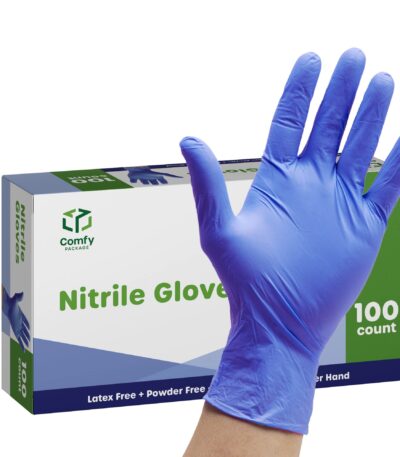
Nitrile Gloves – Box of 100
Original price was: KSh 800.00.KSh 650.00Current price is: KSh 650.00.Key Features
-
Quantity: 100 gloves per box
-
Material: Synthetic nitrile rubber (latex-free)
-
Type: Powder-free (most common)
-
Texture: Usually textured fingertips for better grip
-
Fit: Ambidextrous
-
Colors: Commonly blue, black, or purple
-
Sizes: Small, Medium, Large, Extra-Large
Benefits
-
Strong and puncture-resistant
-
Hypoallergenic (safe for people with latex allergies)
-
Comfortable with good tactile sensitivity
-
Resistant to chemicals, oils, and bodily fluids
-
Ideal for long-wear use
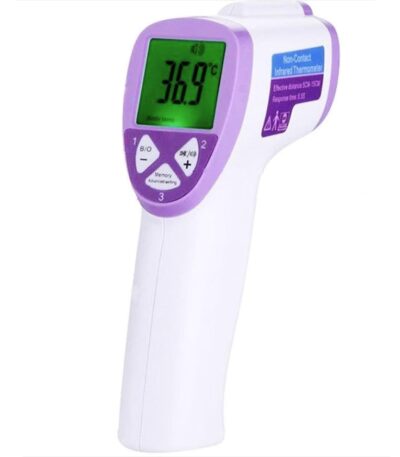
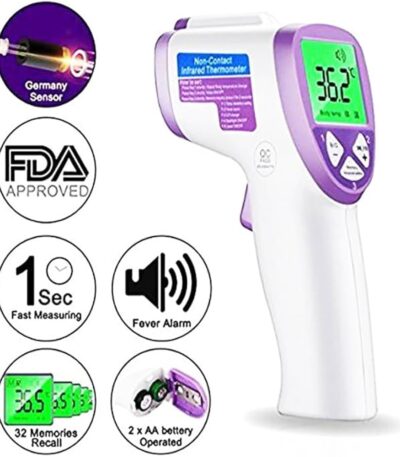
Non-Contact Infrared Forehead Thermometer YI-400
Original price was: KSh 2,800.00.KSh 1,500.00Current price is: KSh 1,500.00.- Non-Contact Measuring: It measures body temperature from a distance of approximately 1-15cm from the forehead, offering a safe and hygienic way to take temperatures for adults, children, and babies.
- Fast and Accurate Readings: The device provides results in just 1 second using infrared technology and a high-sensitivity sensor.
- Multi-Mode Functionality: It can measure not only human body temperature but also the surface temperature of objects, such as a baby’s milk bottle or bathwater.
- Memory Function: The thermometer can store the last 32 temperature readings, allowing users to track temperature changes over time.
- Fever Alarm and Backlight: It features a clear LCD with a 3-color backlight (green for normal, yellow for slight fever, red for high fever) and a sound alarm for high temperatures.
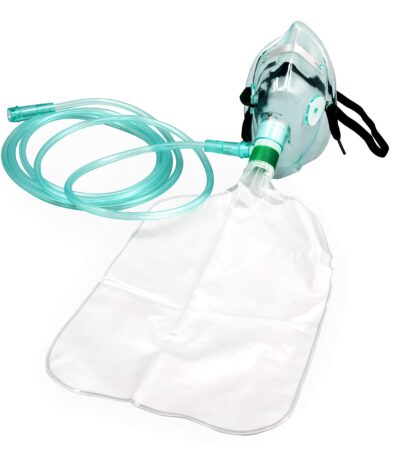
Non-Rebreather Mask (Adult)
Original price was: KSh 300.00.KSh 250.00Current price is: KSh 250.00.-
Purpose & Use
-
A non-rebreather mask (NRM) is a high-flow oxygen delivery device used in emergencies or critical care to deliver high concentrations of oxygen (60–100%).
-
Commonly used for patients with severe hypoxia, respiratory distress, or trauma.
-
Designed to prevent exhaled air from mixing with oxygen, ensuring maximum oxygen delivery.
-
-
Structure & Components
-
Mask: fits over the nose and mouth with a soft, flexible cushion for comfort and minimal leakage.
-
Reservoir bag: attached to the mask, holds a supply of oxygen for inhalation.
-
One-way valves:
-
Between the mask and reservoir bag to allow inhalation of pure oxygen.
-
On exhalation ports to prevent rebreathing of exhaled air.
-
-
Elastic straps: secure the mask to the patient’s face.
-
Oxygen tubing connector: attaches to oxygen sources or flowmeters.
-
-
Performance & Flow Rate
-
Delivers high oxygen concentrations (up to 100%) when properly fitted.
-
Requires oxygen flow of 10–15 L/min to keep the reservoir inflated and ensure effectiveness.
-
One-way valves prevent rebreathing of CO₂, unlike simple masks.
-
-
Advantages
-
Provides maximum oxygen delivery in emergencies without intubation.
-
Simple, lightweight, and easy to apply.
-
Rapidly increases oxygen saturation in hypoxic patients.
-
Disposable and single-patient use reduces infection risk
-
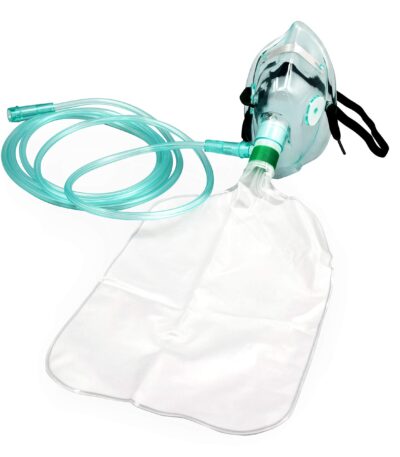
Non-Rebreather Mask (Paediatric)
Original price was: KSh 350.00.KSh 250.00Current price is: KSh 250.00.-
Purpose & Use
-
A paediatric non-rebreather mask is used to deliver high concentrations of oxygen (60–100%) to children and infants experiencing severe hypoxia, respiratory distress, or trauma.
-
Designed to prevent exhaled air from mixing with supplied oxygen, ensuring maximum oxygen delivery to the patient.
-
-
Target Patient Population
-
Sized specifically for neonates, infants, and children.
-
Fits appropriately to cover the nose and mouth of smaller patients without excessive dead space.
-
-
Structure & Components
-
Mask: soft, flexible material to ensure comfort and minimal leakage.
-
Reservoir bag: smaller than adult versions, stores oxygen for inhalation.
-
One-way valves:
-
Between the mask and reservoir bag to allow inhalation of oxygen only.
-
On exhalation ports to prevent CO₂ rebreathing.
-
-
Elastic or Velcro straps: adjustable to secure mask on a child’s face.
-
Oxygen tubing connector: connects to an oxygen source.
-
-
Performance & Flow Rate
-
Provides high oxygen concentration (up to 100%) when properly fitted.
-
Oxygen flow typically 10–15 L/min for older children, and 5–10 L/min for infants depending on size.
-
One-way valves prevent rebreathing of CO₂.
-
-
Advantages
-
Rapidly increases oxygen saturation in paediatric patients.
-
Simple and effective high-flow oxygen delivery without intubation.
-
Disposable, reducing the risk of cross-contamination.
-
Lightweight and easy to apply to small patients.
-
-
Usage Guidelines
-
Ensure proper fit to minimize leaks.
-
Connect to appropriate high-flow oxygen source based on patient size.
-
Monitor oxygen saturation, respiratory rate, and comfort continuously.
-
Check that the reservoir bag remains partially inflated during inspiration.
-
Used as a short-term intervention until more definitive airway support is available if needed.
-
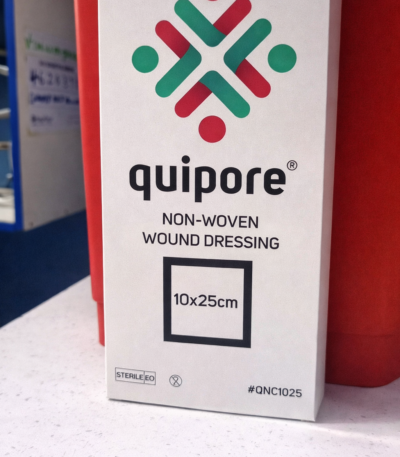
Non-Woven Wound Dressing (10cm by 25cm)
Original price was: KSh 3,000.00.KSh 2,200.00Current price is: KSh 2,200.00. Order via WhatsApp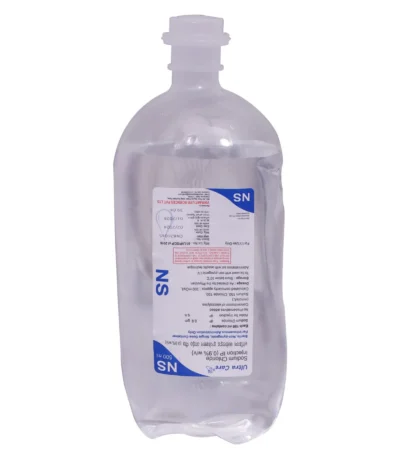
Normal Saline (NS)
Original price was: KSh 110.00.KSh 95.00Current price is: KSh 95.00.Indications / Uses
Normal Saline is commonly used for:
-
Dehydration
-
Shock / hypovolemia
-
Fluid maintenance
-
Dilution of IV medications
-
Flushing IV lines
-
Blood transfusion compatibility
-
Diabetic ketoacidosis (initial fluid)
-
Sodium depletion (hyponatremia)
-
Replacing gastrointestinal fluid loss
Contraindications / Use with Caution
-
Heart failure (risk of fluid overload)
-
Kidney failure (risk of sodium and fluid retention)
-
Hypernatremia
-
Edema
-
Metabolic acidosis (Normal saline may worsen acidosis)
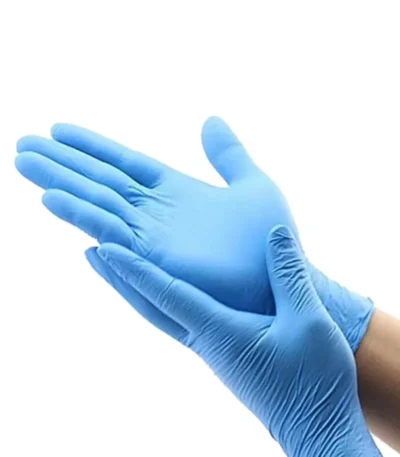
Orthopedic Latex Powder-Free Surgical Gloves
Original price was: KSh 850.00.KSh 500.00Current price is: KSh 500.00. Order via WhatsApp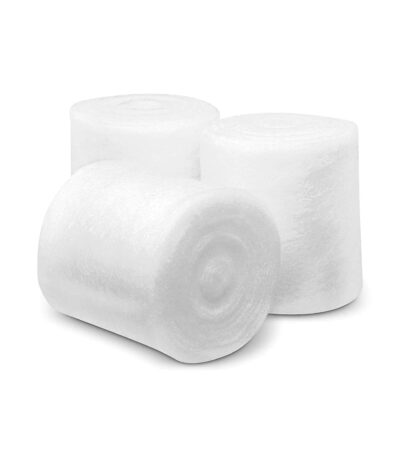
Orthopedic Padding 8″ (8-Inch Width)
Original price was: KSh 70.00.KSh 65.00Current price is: KSh 65.00.Description
-
Material: Usually made from non-woven polyester, cotton, or a cotton-polyester blend.
-
Width: 8 inches (20 cm) – wide enough for broad anatomical regions.
-
Texture: Soft, fluffy, and uniform to prevent pressure points.
-
Stretchability: Conforms easily to body contours without bunching.
-
Absorbent: Helps wick moisture away from the skin.
-
Latex-free: Most brands are safe for sensitive or allergic patients.
Applications
-
Applied under POP (Plaster of Paris) casts to prevent skin irritation.
-
Used under fiberglass casts for added comfort.
-
Provides cushioning when applying splints, back slabs, or immobilizers.
-
Helps prevent pressure sores by creating a soft barrier.
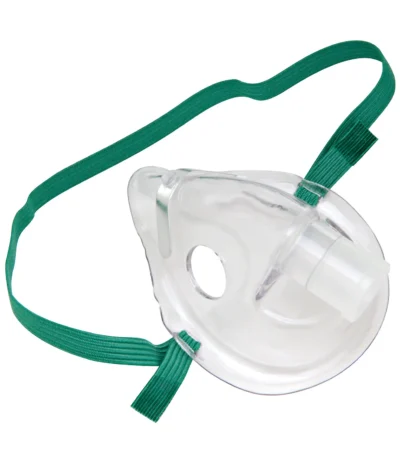
Paediatric Nebulizer Mask
Original price was: KSh 600.00.KSh 200.00Current price is: KSh 200.00.Key Features
-
Child-sized design
Specifically shaped to fit a child’s smaller facial structure, ensuring better comfort and more efficient medication delivery. -
Soft, gentle material
Made from clear, medical-grade PVC or silicone that is flexible and comfortable against sensitive skin. -
Adjustable strap
An elastic head strap helps hold the mask in place, allowing the child to sit calmly without needing to grip it. -
Smooth breath delivery
The mask covers both the mouth and nose, enabling consistent inhalation of the medicated mist. -
Universal connector
Fits standard nebulizer tubing and medication chambers, making it compatible with most nebulizer machines. -
Reduced medication loss
The small cup-to-mask pathway is designed to minimize air escape and maximize drug delivery to the lungs.
Optional Child-Friendly Features
-
Soft edges to prevent pressure marks
-
Transparent design so caregivers can monitor breathing
-
Some versions include colorful elements to make therapy less scary for children
Typical Components (if sold as a kit)
-
Paediatric mask
-
Medicine chamber (nebulizer cup)
-
Flexible tubing
-
Elastic strap


