

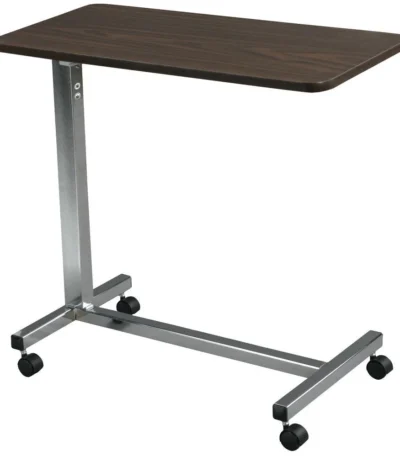
Overbed Table / Feeding Table
Original price was: KSh 12,000.00.KSh 10,000.00Current price is: KSh 10,000.00.
Order via WhatsApp
The Overbed Table, also known as a Feeding Table, is a height-adjustable, mobile table designed to provide a stable surface for eating, reading, or writing while the patient remains in bed. Its smooth design, sturdy construction, and easy mobility make it an essential accessory for hospital wards, nursing homes, and home patient care.
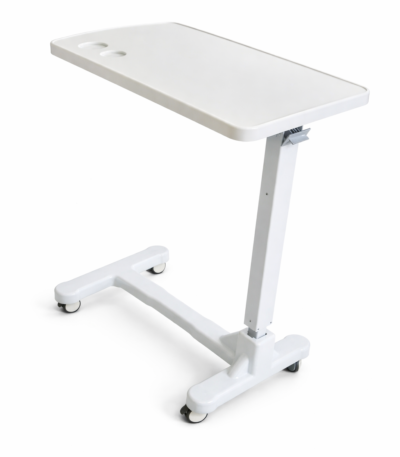
Overbed Table ABS
Original price was: KSh 26,000.00.KSh 20,000.00Current price is: KSh 20,000.00.
Order via WhatsApp
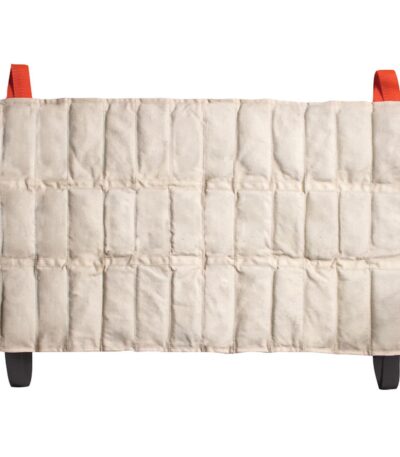
Oversize Hot Pack
Original price was: KSh 13,000.00.KSh 10,000.00Current price is: KSh 10,000.00.
Order via WhatsApp
• Provides up to 30 minutes of soothing moist heat that
can improve blood circulation, reduce inflammation and
increase flexibility.
• Reusable design for numerous effective and
economical treatments for professional or home use. •
Immerse in hot water or heating unit.
• Use with All-Terry or Foam Filled terry covers.
• Several sizes available to adapt to the contours of the
body.
• Constructed of a synthetic fabricant filled with
bentonite.
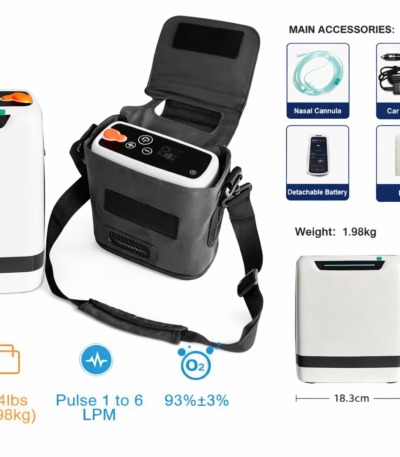
Oxygen Concentrator 5L Portable (POC5)
Original price was: KSh 350,000.00.KSh 260,000.00Current price is: KSh 260,000.00.
Order via WhatsApp
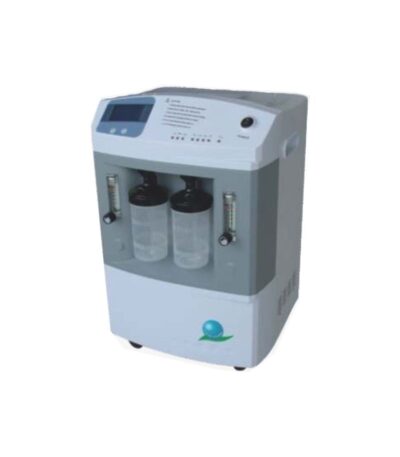
Oxygen Concentrator J10 (10 Litres)
Original price was: KSh 98,000.00.KSh 95,000.00Current price is: KSh 95,000.00.
Order via WhatsApp
The J10 Oxygen Concentrator is a heavy-duty, high-capacity oxygen therapy device designed to deliver continuous and reliable oxygen flow for patients requiring higher oxygen concentrations. With a maximum flow rate of 10 litres per minute, it is ideal for hospitals, clinics, and homecare settings where dual-patient or high-demand oxygen therapy is needed.
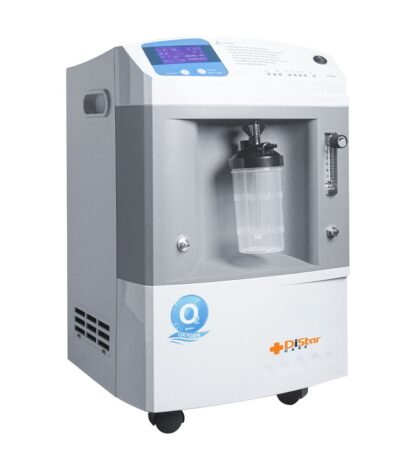
Oxygen Concentrator J5
Original price was: KSh 72,000.00.KSh 70,000.00Current price is: KSh 70,000.00.
Order via WhatsApp
The J5 Oxygen Concentrator is a 5-litre per minute (L/min) stationary oxygen therapy unit designed for continuous operation. It produces oxygen with a purity level of approximately 93% ±3%, suitable for most oxygen therapy prescriptions. The unit operates quietly and efficiently, using advanced molecular sieve technology to separate oxygen from nitrogen in the air.
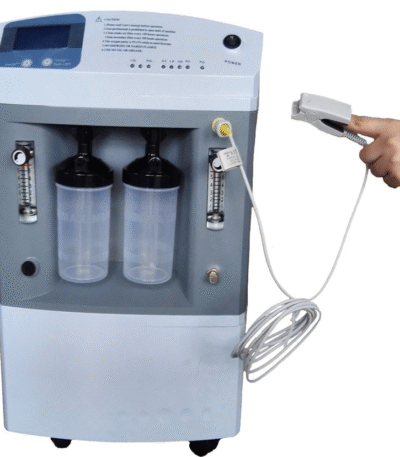
Oxygen Concentrator J5 (5 Litres)
Original price was: KSh 78,000.00.KSh 75,000.00Current price is: KSh 75,000.00.
Order via WhatsApp
The J5 Oxygen Concentrator is a high-performance medical oxygen-generating unit designed to deliver continuous and stable oxygen flow for patients requiring oxygen therapy. With a flow capacity of up to 5 litres per minute, it provides a reliable and efficient oxygen supply for hospitals, clinics, and home healthcare environments.
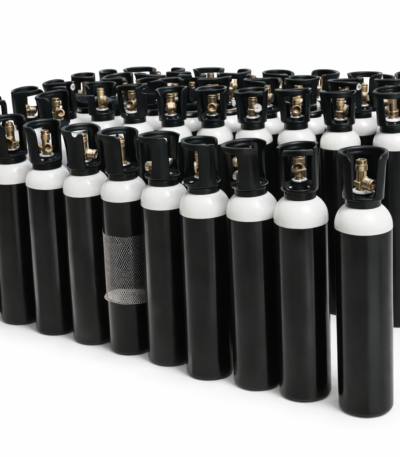
Oxygen Cylinder (Complete Set)
Original price was: KSh 50,000.00.KSh 45,000.00Current price is: KSh 45,000.00.
Order via WhatsApp
The complete oxygen cylinder set typically includes a steel or aluminum gas cylinder, regulator, flowmeter, and humidifier bottle. The system is designed to safely store oxygen under high pressure and deliver it to patients at a controlled and adjustable flow rate.
The 8.5 kg capacity cylinder is portable yet durable, making it suitable for both bedside and emergency transport use.
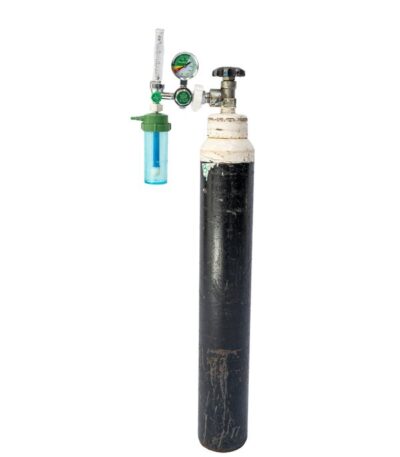
Oxygen cylinder (complete) 8.5kg
Original price was: KSh 30,000.00.KSh 28,000.00Current price is: KSh 28,000.00.
Order via WhatsApp
An 8.5 kg Oxygen Cylinder (Complete Set) is a portable medical device used to store and deliver medical-grade oxygen to patients who require supplemental oxygen therapy. It is commonly used in hospitals, ambulances, clinics, and home care settings to assist patients with respiratory conditions or emergencies.
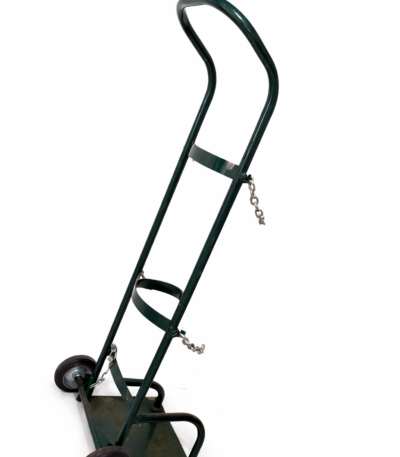
Oxygen Cylinder Trolley large
Original price was: KSh 12,000.00.KSh 9,500.00Current price is: KSh 9,500.00.
Order via WhatsApp
Oxygen Cylinder Trolley Medium
Original price was: KSh 9,000.00.KSh 7,500.00Current price is: KSh 7,500.00.
Order via WhatsApp
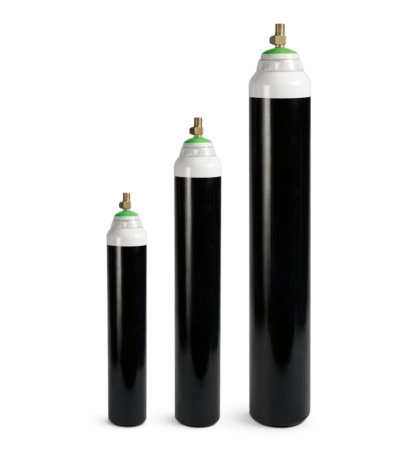
Oxygen Cylinders 3.4m3
Original price was: KSh 35,000.00.KSh 28,000.00Current price is: KSh 28,000.00.
Order via WhatsApp


