
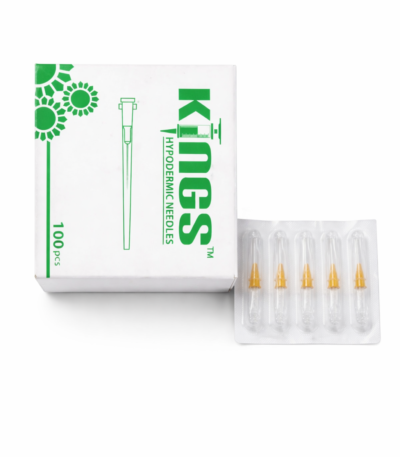
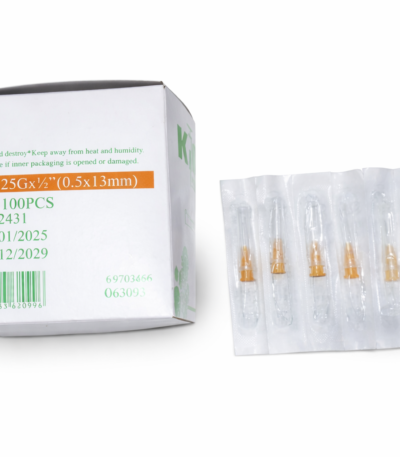
Needles G25 – Box of 100 pcs
Original price was: KSh 270.00.KSh 200.00Current price is: KSh 200.00.Key Features
-
25-gauge size
A thin needle designed to minimize discomfort while still allowing efficient delivery of medication. -
Sterile & disposable
Each needle is individually packaged to ensure hygiene and prevent contamination. -
Luer slip / luer lock compatible
Designed to fit standard syringes used in medical practice. -
High-quality stainless steel
Ensures strength, sharpness, and safe penetration without bending. -
Color-coded hub
G25 needles typically have an orange hub for quick identification. -
Beveled, ultra-sharp tip
Reduces penetration force and enhances patient comfort.
Common Uses
-
Subcutaneous injections
-
Intradermal injections
-
Certain intramuscular injections for small-volume doses
-
Vaccinations (depending on protocol)
-
Insulin, heparin, and hormone injections (when not using pen needles)
-
Drawing small volumes of medication from vials
Benefits
-
Reduced pain and tissue trauma
-
Ideal for pediatric or sensitive patients
-
Reliable and consistent performance
-
Hygienic, safe, and convenient in a bulk box of 100
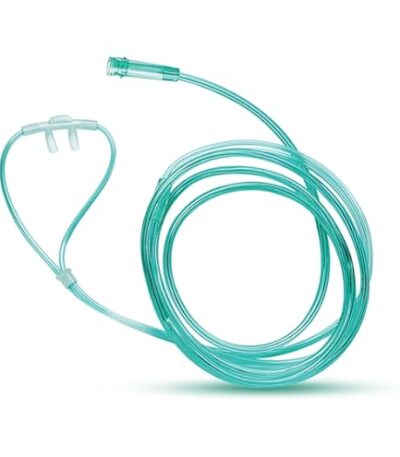
Neonate Oxygen Nasal Prong
Original price was: KSh 350.00.KSh 200.00Current price is: KSh 200.00.Key Features
-
Ultra-small nasal prongs
Tiny, soft prongs fit snugly into a newborn’s nostrils without causing trauma or pressure. -
Extremely soft tubing
Made from very flexible, medical-grade PVC or silicone to prevent skin breakdown around the cheeks and ears. -
Lightweight and gentle design
Designed to rest comfortably without adding pressure to the face; often secured with soft tapes rather than elastic straps to protect fragile skin. -
Kink-resistant oxygen tubing
Ensures a continuous flow of oxygen even when the baby moves. -
Standard oxygen connector
Attaches to neonatal oxygen flowmeters and concentrators used in NICUs, delivery rooms, and nurseries.
How It Works
Oxygen flows from the supply source through the tubing and exits through the tiny prongs into the infant’s nostrils. The newborn inhales the enriched air naturally with each breath, making it suitable for babies who can breathe spontaneously but require oxygen support.
Typical Flow Rates
-
Usually 0.1 to 2 liters per minute, depending on neonatal guidelines
-
Provides gentle oxygen delivery suitable for sensitive lungs
Common Uses
-
Premature infants with immature lungs
-
Neonatal respiratory distress
-
Mild hypoxia
-
Post-delivery stabilization
-
Oxygen support in NICUs and neonatal wards
-
Conditions such as TTN (transient tachypnea of the newborn)
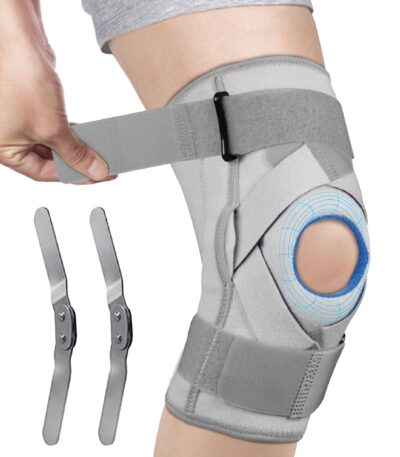
Neoprene Knee Brace with Hinge
Original price was: KSh 1,450.00.KSh 1,200.00Current price is: KSh 1,200.00.A neoprene knee brace with hinge is a supportive brace designed to protect and stabilize your knee while allowing controlled movement. Made from soft, flexible neoprene, it wraps comfortably around your knee, providing warmth and gentle compression that helps reduce swelling, stiffness, and discomfort.
The key feature is the hinge on either side of the knee, which acts like a guide for your joint. It lets your knee bend naturally while preventing sideways movements that could strain ligaments or worsen injuries. This makes it ideal for people recovering from ligament injuries, surgery, or chronic knee instability.
Adjustable straps allow you to customize the fit, keeping the brace securely in place without restricting circulation. The neoprene material also retains heat, promoting blood flow and easing muscle tension for faster recovery.

Neutral Red Solution
Original price was: KSh 600.00.KSh 400.00Current price is: KSh 400.00.Neutral Red is a biological stain (vital dye) commonly used in microbiology and cell biology laboratories. It stains living cells, allowing scientists to observe cell viability, pH changes, and intracellular structures such as lysosomes.
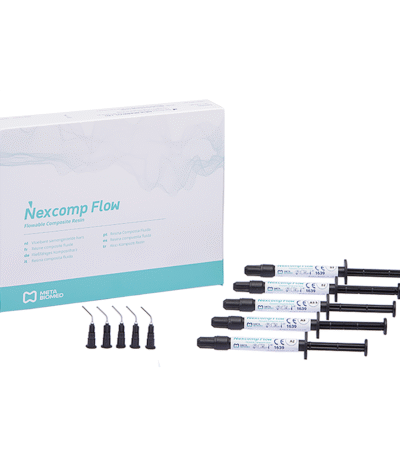
Nexcomp A1 – Meta
Original price was: KSh 2,200.00.KSh 1,600.00Current price is: KSh 1,600.00.Nexcomp A1 (by Meta Biomed) is a light-cured nano-hybrid composite resin used for anterior and posterior restorations. It provides excellent aesthetics, strength, and handling properties, making it ideal for a wide range of restorative applications.
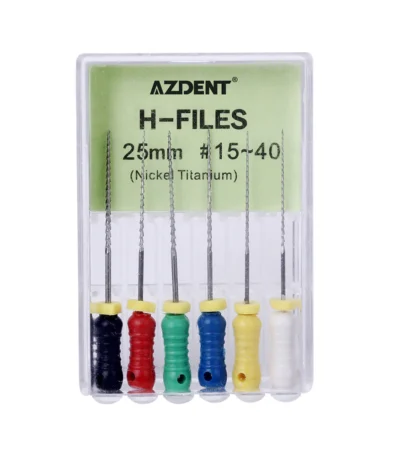
NiTi Files (Nickel-Titanium Files) – Sizes 15–40
Original price was: KSh 850.00.KSh 800.00Current price is: KSh 800.00.NiTi Files are nickel-titanium rotary or hand instruments used in endodontics for cleaning and shaping root canals during root canal treatment (RCT). The sizes 15–40 refer to the tip diameter (ISO sizes) of the files, with 15 being thinner and 40 thicker, allowing for progressive enlargement of the canal.
They are preferred over stainless steel files because of their superelasticity, flexibility, and resistance to fracture, especially in curved canals.
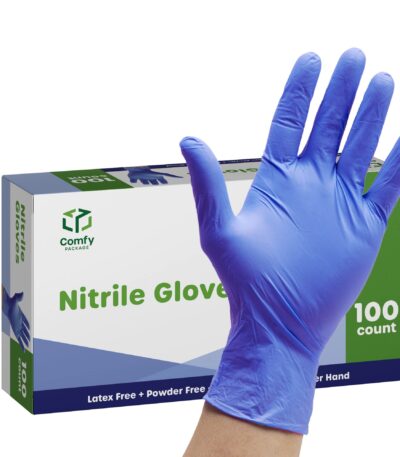
Nitrile Gloves – Box of 100
Original price was: KSh 800.00.KSh 650.00Current price is: KSh 650.00.Key Features
-
Quantity: 100 gloves per box
-
Material: Synthetic nitrile rubber (latex-free)
-
Type: Powder-free (most common)
-
Texture: Usually textured fingertips for better grip
-
Fit: Ambidextrous
-
Colors: Commonly blue, black, or purple
-
Sizes: Small, Medium, Large, Extra-Large
Benefits
-
Strong and puncture-resistant
-
Hypoallergenic (safe for people with latex allergies)
-
Comfortable with good tactile sensitivity
-
Resistant to chemicals, oils, and bodily fluids
-
Ideal for long-wear use
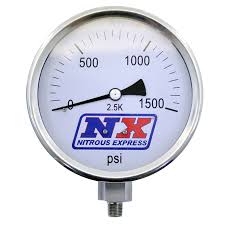
Nitrous gauge
Original price was: KSh 26,000.00.KSh 20,000.00Current price is: KSh 20,000.00.A nitrous gauge is a pressure-measuring device used to monitor the amount of nitrous oxide remaining inside a cylinder. It gives an accurate reading through a clear, easy-to-read dial, helping healthcare providers know when the cylinder is full, in use, or due for replacement.
Built with strong materials to handle high-pressure gas, the gauge attaches directly to the nitrous cylinder valve and works alongside a regulator to ensure safe and controlled delivery of nitrous oxide during medical or dental procedures. It’s an essential tool for maintaining safety and smooth workflow in clinical environments.
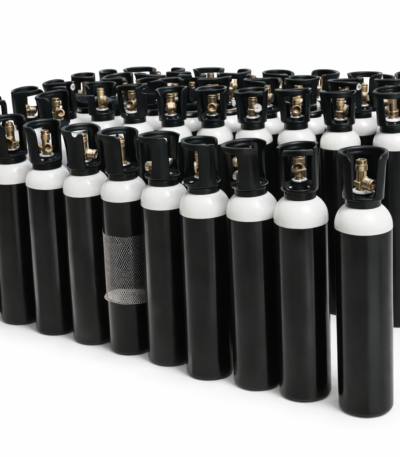
Nitrous Oxide Cylinder (Complete Set)
Original price was: KSh 82,000.00.KSh 80,000.00Current price is: KSh 80,000.00.The complete nitrous oxide cylinder set includes a high-pressure gas cylinder, pressure regulator, and flowmeter assembly. The cylinder stores compressed liquid nitrous oxide under high pressure and delivers it in a controlled flow for inhalation—often combined with oxygen through an anesthesia machine.
Medical-grade nitrous oxide provides rapid onset pain relief and mild sedation, allowing patients to remain conscious yet relaxed during procedures.
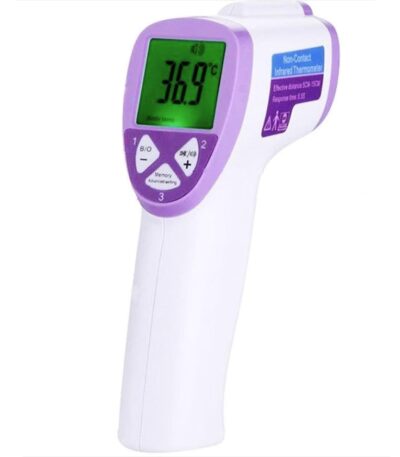
Non-Contact Infrared Forehead Thermometer YI-400
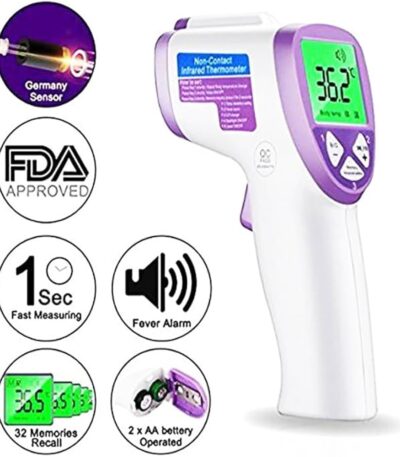
Original price was: KSh 2,800.00.KSh 1,500.00Current price is: KSh 1,500.00.- Non-Contact Measuring: It measures body temperature from a distance of approximately 1-15cm from the forehead, offering a safe and hygienic way to take temperatures for adults, children, and babies.
- Fast and Accurate Readings: The device provides results in just 1 second using infrared technology and a high-sensitivity sensor.
- Multi-Mode Functionality: It can measure not only human body temperature but also the surface temperature of objects, such as a baby’s milk bottle or bathwater.
- Memory Function: The thermometer can store the last 32 temperature readings, allowing users to track temperature changes over time.
- Fever Alarm and Backlight: It features a clear LCD with a 3-color backlight (green for normal, yellow for slight fever, red for high fever) and a sound alarm for high temperatures.
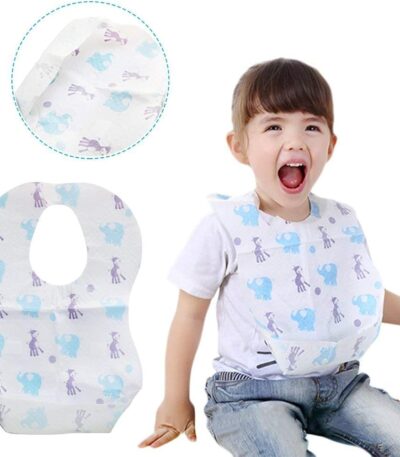
Non-Disposable Bibs
Original price was: KSh 1,450.00.KSh 1,200.00Current price is: KSh 1,200.00.Non-disposable bibs, also known as reusable dental or patient bibs, are washable protective garments used in dental clinics to shield patients’ clothing and skin from water, saliva, blood, and other materials during dental procedures. Unlike disposable paper bibs, these are made from durable, waterproof materials and can be cleaned, disinfected, and reused multiple times.
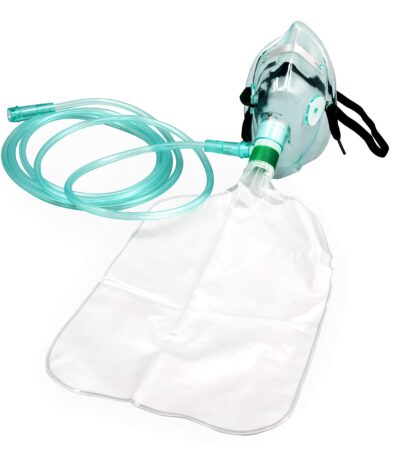
Non-Rebreather Mask (Adult)
Original price was: KSh 300.00.KSh 250.00Current price is: KSh 250.00.-
Purpose & Use
-
A non-rebreather mask (NRM) is a high-flow oxygen delivery device used in emergencies or critical care to deliver high concentrations of oxygen (60–100%).
-
Commonly used for patients with severe hypoxia, respiratory distress, or trauma.
-
Designed to prevent exhaled air from mixing with oxygen, ensuring maximum oxygen delivery.
-
-
Structure & Components
-
Mask: fits over the nose and mouth with a soft, flexible cushion for comfort and minimal leakage.
-
Reservoir bag: attached to the mask, holds a supply of oxygen for inhalation.
-
One-way valves:
-
Between the mask and reservoir bag to allow inhalation of pure oxygen.
-
On exhalation ports to prevent rebreathing of exhaled air.
-
-
Elastic straps: secure the mask to the patient’s face.
-
Oxygen tubing connector: attaches to oxygen sources or flowmeters.
-
-
Performance & Flow Rate
-
Delivers high oxygen concentrations (up to 100%) when properly fitted.
-
Requires oxygen flow of 10–15 L/min to keep the reservoir inflated and ensure effectiveness.
-
One-way valves prevent rebreathing of CO₂, unlike simple masks.
-
-
Advantages
-
Provides maximum oxygen delivery in emergencies without intubation.
-
Simple, lightweight, and easy to apply.
-
Rapidly increases oxygen saturation in hypoxic patients.
-
Disposable and single-patient use reduces infection risk
-


