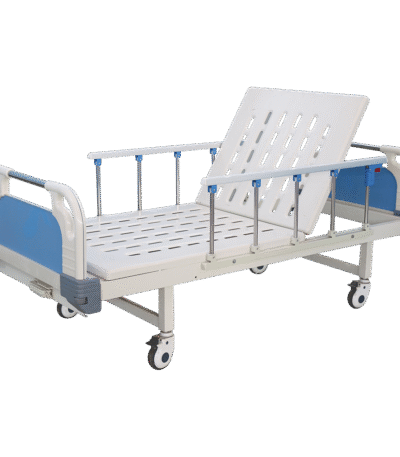
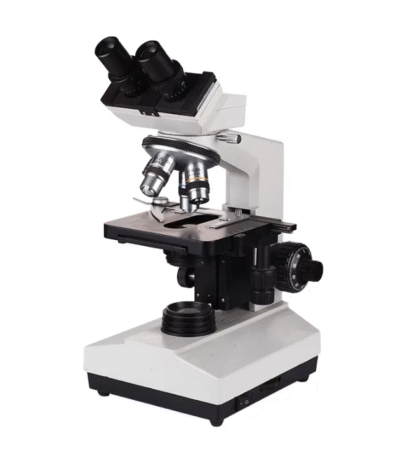
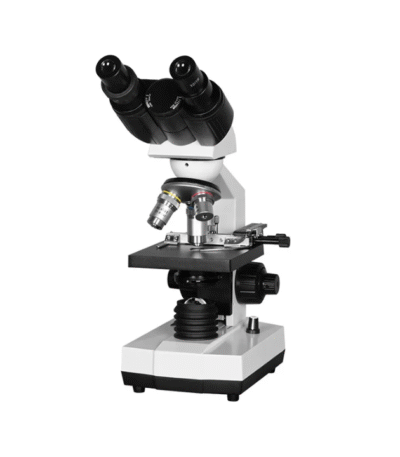
A Microscope (CX 107)
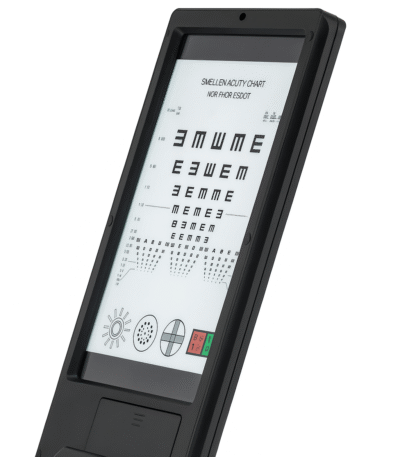
A NEAR LED TABLE CHART
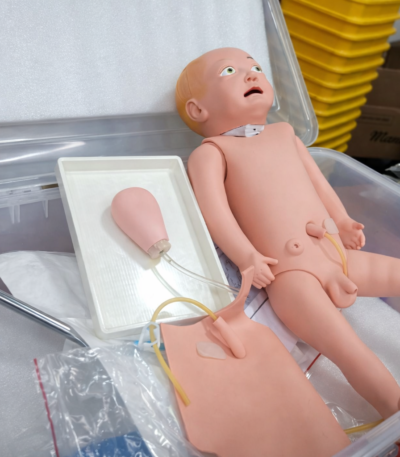
A pediatric or Infant Male Catheterization Training Manikin
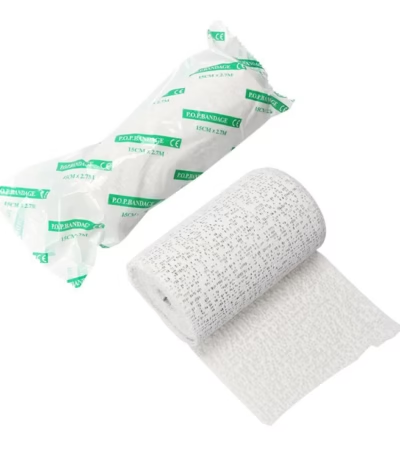
A Plaster of Paris (P.O.P.) Bandage Roll 6″ (China)
-
Purpose & Use
-
A 6-inch P.O.P. bandage is commonly used for immobilizing fractures and orthopedic injuries.
-
Suitable for making casts and splints on medium-sized limbs such as the forearm, lower leg, and elbow/knee supports.
-
Widely used in emergency rooms, orthopedic clinics, and trauma care.
-
-
Material & Properties
-
Made of woven gauze impregnated with Plaster of Paris powder.
-
Activates when soaked in water and hardens quickly to form a rigid cast.
-
China-manufactured rolls are economical and reliable for routine clinical use.
-
-
Size & Specifications
-
Width: 6 inches (ideal for mid-sized limbs).
-
Length: typically 2.7–3 meters per roll (varies by manufacturer).
-
Individually wrapped in moisture-resistant packaging.
-
-
Setting Time & Performance
-
Begins to set in 3–7 minutes after wetting.
-
Molds smoothly to body contours before hardening.
-
Provides a strong, durable cast once completely dry.
-
-
Advantages
-
Cost-effective and easy to apply.
-
Offers excellent rigidity for immobilization.
-
Smooth finish when applied correctly.
-
Suitable for both emergency splinting and definitive casting.
-
-
Usage Guidelines
-
Dip the roll briefly in clean water until bubbling stops.
-
Apply over a padded layer for patient comfort.
-
Smooth each layer to ensure uniform strength.
-
Allow 24–48 hours for full drying before weight-bearing.
-
Store rolls in a dry, cool area to prevent premature setting.
-
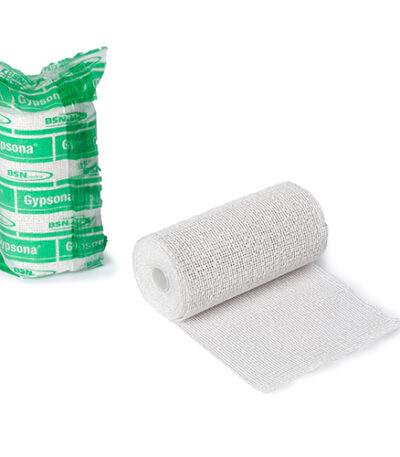
A Plaster of Paris (P.O.P.) Bandage Roll 6″ gypsona roll
-
Purpose & Use
-
A Gypsona-type P.O.P. bandage is a premium-grade plaster bandage used for orthopedic casting and immobilization.
-
Suitable for fractures, sprains, post-operative support, and casting in orthopedics and emergency care.
-
6-inch width is ideal for forearm, lower leg, and medium limb immobilization.
-
-
Material & Quality
-
Made of high-quality gauze uniformly impregnated with fast-setting Plaster of Paris.
-
Gypsona rolls are known for:
-
Higher plaster content than standard China rolls
-
Smoother finish
-
Stronger and more durable casts
-
Faster setting and drying times
-
-
-
Size & Specifications
-
Width: 6 inches
-
Length: typically 2.7–3 meters (varies slightly by brand)
-
Moisture-resistant packaging to maintain shelf life and prevent premature setting.
-
-
Setting Time & Performance
-
Fast-setting: begins to harden within 2–4 minutes after wetting.
-
Achieves full strength faster than economic-grade P.O.P. rolls.
-
Produces a smooth, rigid, and durable cast suitable for long-term immobilization.
-
-
Advantages (Gypsona vs Regular P.O.P.)
-
More consistent plaster distribution on the gauze.
-
Reduced risk of cracking or weak spots.
-
Requires less smoothing during application.
-
Better contour molding and cast integrity.
-
Preferred in orthopedic departments for quality and reliability.
-
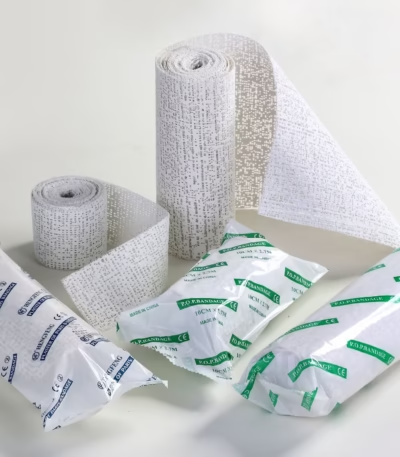
A Plaster of Paris (P.O.P.) Bandage Roll 8″ (China)
-
Purpose & Use
-
A Plaster of Paris (P.O.P.) bandage is used for immobilizing fractures, sprains, and orthopedic injuries.
-
Ideal for forming casts, splints, and supportive immobilization in emergency or orthopedic care.
-
-
Material & Properties
-
Made of gauze bandage impregnated with Plaster of Paris powder.
-
Activates and hardens when soaked in water.
-
Provides a rigid, durable cast once set.
-
China-origin rolls are known for being economical and widely used in general clinical settings.
-
-
Size & Specifications
-
Width: 8 inches (suitable for larger limbs such as thighs or long-arm/long-leg casts).
-
Length varies by manufacturer (commonly 2.7–3 m per roll).
-
Packaged individually in moisture-resistant wrapping.
-
-
Setting Time & Performance
-
Fast-setting once dipped in water (typically 3–7 minutes depending on brand and water temperature).
-
Molds easily around the body part before hardening.
-
Produces a smooth, strong cast suitable for immobilization.
-
-
Advantages
-
Cost-effective for hospitals and emergency units.
-
Easy to shape and apply.
-
Offers excellent rigidity after setting.
-
Reliable for fracture management and post-surgical immobilization.
-
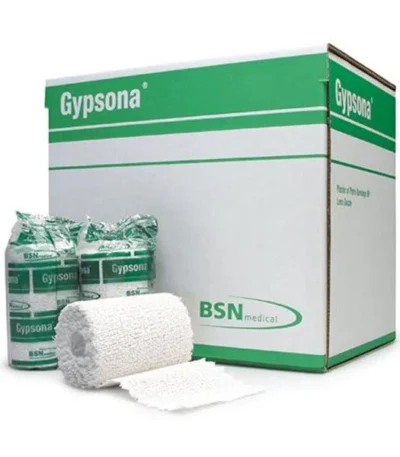
A Plaster of Paris (P.O.P.) Bandage Roll 8″ gypsona roll
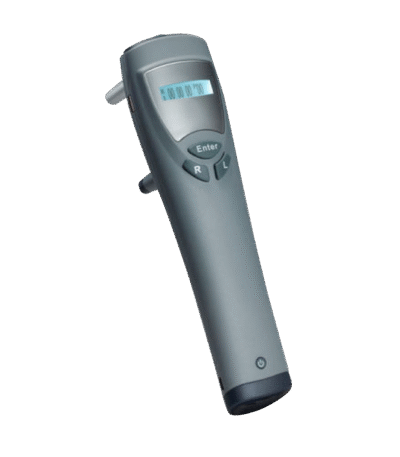
A REBOUND TONOMETER SW500
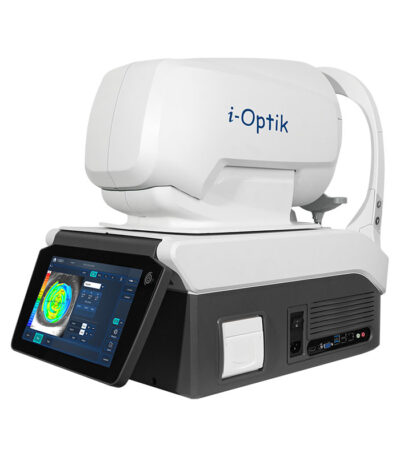
A REFRACTION / VX105 MULTI-FUNCTION AUTO EYE TESTING INSTRUMENT
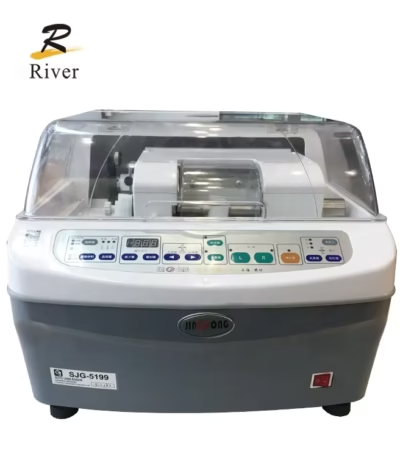
A Semi-Auto Edger Machine
Key Features:
-
Lens Shaping: Precisely cuts and polishes the edges of ophthalmic lenses (plastic or glass) to match the frame shape.
-
Tracing System: Some models include a frame tracer that scans the lens shape before edging.
-
Beveling: Creates grooves or bevels for mounting lenses into frames securely.
-
Adjustable Speed & Pressure: Allows customization according to lens material and thickness.
-
Water Cooling System: Prevents overheating of the lens during edging.
-
User Control: Operator manually sets parameters such as size, bevel position, and edge style.
Applications:
-
Used in optical workshops and hospitals for lens finishing.
-
Suitable for ophthalmic technicians and opticians making prescription glasses.
Advantages:
-
Cost-effective compared to fully automatic models.
-
Provides better manual control for delicate or customized work.
-
Produces accurate, smooth-edged lenses with minimal risk of damage.
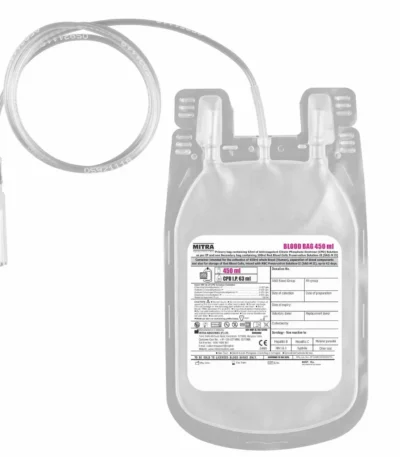
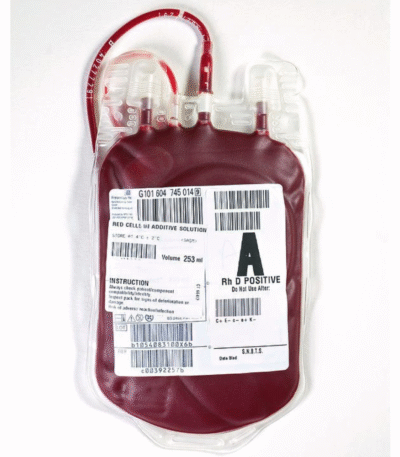
A single 450 mL blood bag
Key Features
-
Capacity: 450 mL (standard for whole blood donation)
-
Type: Single bag – contains only one primary collection bag (no satellite bags)
-
Material: Sterile, medical-grade PVC compatible with blood storage
-
Anticoagulant: Usually pre-filled with CPDA-1 or CPD solution to preserve blood
-
Tubing & Needle: Comes with a sterile 16G needle for venipuncture
-
Labeling Area: For donor information and blood collection details
-
Use:
-
Whole blood collection
-
Storage for up to 35–42 days (depending on anticoagulant)
-