

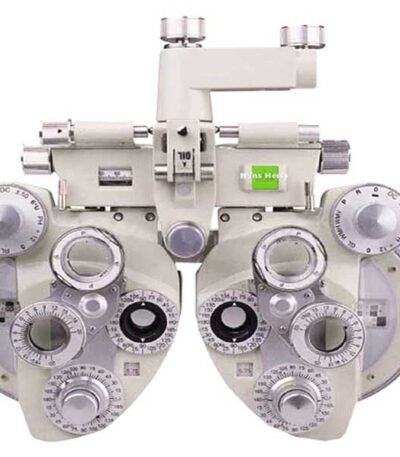
A MANUAL PHOROPTER
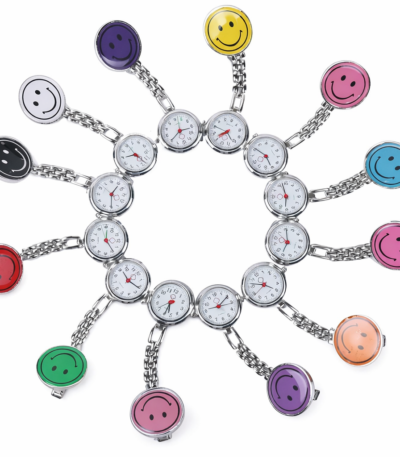
A metallic nurse watch
A metallic nurse watch combines practicality with a more polished, professional look. Made with a metal case or chain, it feels sturdier and often lasts longer than plastic versions, while still serving the same essential purpose in healthcare settings.
These watches are designed for easy reading, with clear numbers and a visible second hand for accurate timing of medical procedures. Many are worn as fob watches, clipped securely to a uniform, allowing nurses to check the time quickly without using their wrist. The metallic finish gives a neat, professional appearance that suits formal uniforms.
Overall, a metallic nurse watch offers reliability, durability, and a touch of elegance, making it a popular choice for healthcare professionals who want a functional tool that also looks refined.
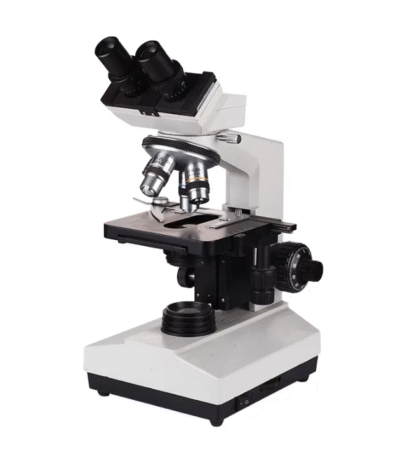
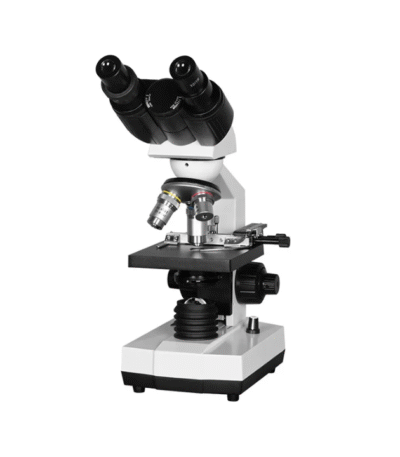
A Microscope (CX 107)
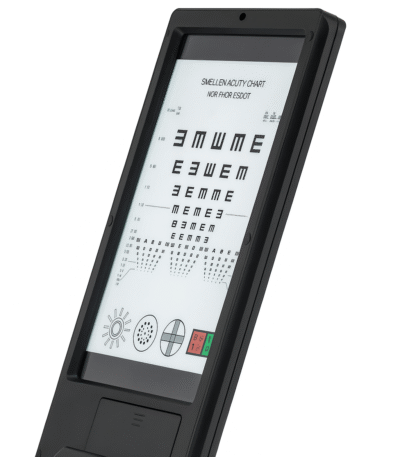
A NEAR LED TABLE CHART
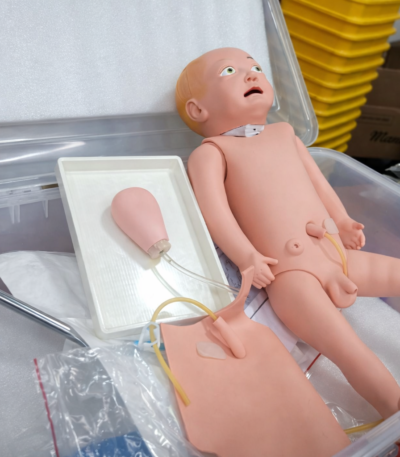
A pediatric or Infant Male Catheterization Training Manikin
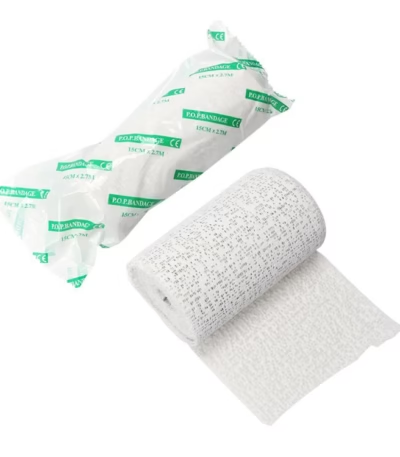
A Plaster of Paris (P.O.P.) Bandage Roll 6″ (China)
-
Purpose & Use
-
A 6-inch P.O.P. bandage is commonly used for immobilizing fractures and orthopedic injuries.
-
Suitable for making casts and splints on medium-sized limbs such as the forearm, lower leg, and elbow/knee supports.
-
Widely used in emergency rooms, orthopedic clinics, and trauma care.
-
-
Material & Properties
-
Made of woven gauze impregnated with Plaster of Paris powder.
-
Activates when soaked in water and hardens quickly to form a rigid cast.
-
China-manufactured rolls are economical and reliable for routine clinical use.
-
-
Size & Specifications
-
Width: 6 inches (ideal for mid-sized limbs).
-
Length: typically 2.7–3 meters per roll (varies by manufacturer).
-
Individually wrapped in moisture-resistant packaging.
-
-
Setting Time & Performance
-
Begins to set in 3–7 minutes after wetting.
-
Molds smoothly to body contours before hardening.
-
Provides a strong, durable cast once completely dry.
-
-
Advantages
-
Cost-effective and easy to apply.
-
Offers excellent rigidity for immobilization.
-
Smooth finish when applied correctly.
-
Suitable for both emergency splinting and definitive casting.
-
-
Usage Guidelines
-
Dip the roll briefly in clean water until bubbling stops.
-
Apply over a padded layer for patient comfort.
-
Smooth each layer to ensure uniform strength.
-
Allow 24–48 hours for full drying before weight-bearing.
-
Store rolls in a dry, cool area to prevent premature setting.
-
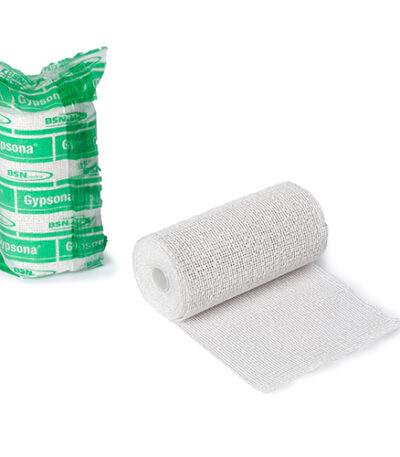
A Plaster of Paris (P.O.P.) Bandage Roll 6″ gypsona roll
-
Purpose & Use
-
A Gypsona-type P.O.P. bandage is a premium-grade plaster bandage used for orthopedic casting and immobilization.
-
Suitable for fractures, sprains, post-operative support, and casting in orthopedics and emergency care.
-
6-inch width is ideal for forearm, lower leg, and medium limb immobilization.
-
-
Material & Quality
-
Made of high-quality gauze uniformly impregnated with fast-setting Plaster of Paris.
-
Gypsona rolls are known for:
-
Higher plaster content than standard China rolls
-
Smoother finish
-
Stronger and more durable casts
-
Faster setting and drying times
-
-
-
Size & Specifications
-
Width: 6 inches
-
Length: typically 2.7–3 meters (varies slightly by brand)
-
Moisture-resistant packaging to maintain shelf life and prevent premature setting.
-
-
Setting Time & Performance
-
Fast-setting: begins to harden within 2–4 minutes after wetting.
-
Achieves full strength faster than economic-grade P.O.P. rolls.
-
Produces a smooth, rigid, and durable cast suitable for long-term immobilization.
-
-
Advantages (Gypsona vs Regular P.O.P.)
-
More consistent plaster distribution on the gauze.
-
Reduced risk of cracking or weak spots.
-
Requires less smoothing during application.
-
Better contour molding and cast integrity.
-
Preferred in orthopedic departments for quality and reliability.
-
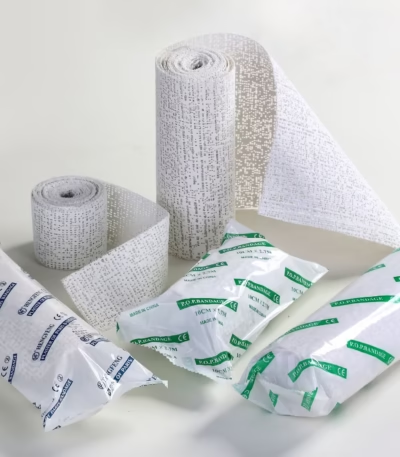
A Plaster of Paris (P.O.P.) Bandage Roll 8″ (China)
-
Purpose & Use
-
A Plaster of Paris (P.O.P.) bandage is used for immobilizing fractures, sprains, and orthopedic injuries.
-
Ideal for forming casts, splints, and supportive immobilization in emergency or orthopedic care.
-
-
Material & Properties
-
Made of gauze bandage impregnated with Plaster of Paris powder.
-
Activates and hardens when soaked in water.
-
Provides a rigid, durable cast once set.
-
China-origin rolls are known for being economical and widely used in general clinical settings.
-
-
Size & Specifications
-
Width: 8 inches (suitable for larger limbs such as thighs or long-arm/long-leg casts).
-
Length varies by manufacturer (commonly 2.7–3 m per roll).
-
Packaged individually in moisture-resistant wrapping.
-
-
Setting Time & Performance
-
Fast-setting once dipped in water (typically 3–7 minutes depending on brand and water temperature).
-
Molds easily around the body part before hardening.
-
Produces a smooth, strong cast suitable for immobilization.
-
-
Advantages
-
Cost-effective for hospitals and emergency units.
-
Easy to shape and apply.
-
Offers excellent rigidity after setting.
-
Reliable for fracture management and post-surgical immobilization.
-
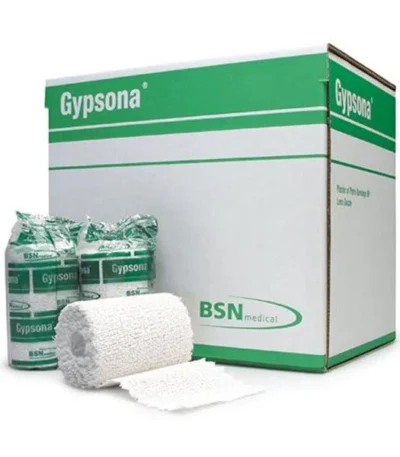
A Plaster of Paris (P.O.P.) Bandage Roll 8″ gypsona roll
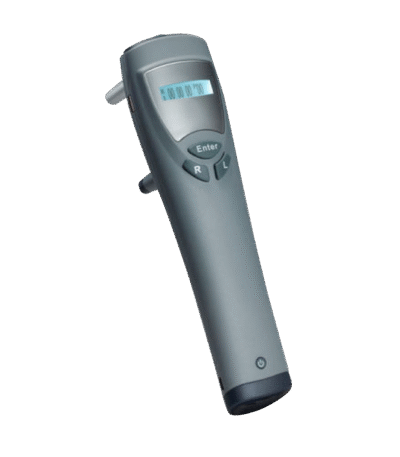
A REBOUND TONOMETER SW500
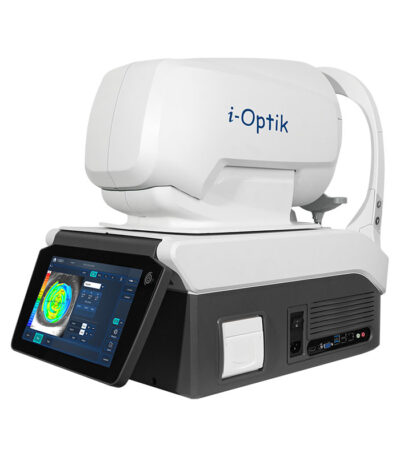
A REFRACTION / VX105 MULTI-FUNCTION AUTO EYE TESTING INSTRUMENT
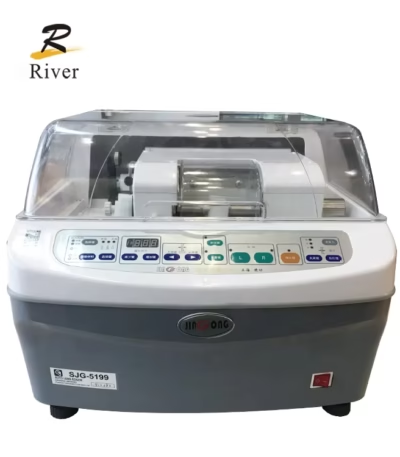
A Semi-Auto Edger Machine
Key Features:
-
Lens Shaping: Precisely cuts and polishes the edges of ophthalmic lenses (plastic or glass) to match the frame shape.
-
Tracing System: Some models include a frame tracer that scans the lens shape before edging.
-
Beveling: Creates grooves or bevels for mounting lenses into frames securely.
-
Adjustable Speed & Pressure: Allows customization according to lens material and thickness.
-
Water Cooling System: Prevents overheating of the lens during edging.
-
User Control: Operator manually sets parameters such as size, bevel position, and edge style.
Applications:
-
Used in optical workshops and hospitals for lens finishing.
-
Suitable for ophthalmic technicians and opticians making prescription glasses.
Advantages:
-
Cost-effective compared to fully automatic models.
-
Provides better manual control for delicate or customized work.
-
Produces accurate, smooth-edged lenses with minimal risk of damage.


