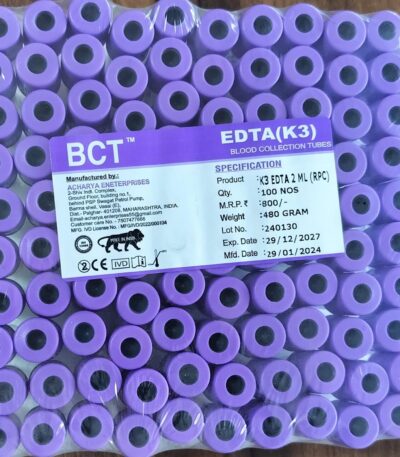
EDTA K3 Vacuum Blood Collection Tubes
Original price was: KSh 1,200.00.KSh 850.00Current price is: KSh 850.00.Key Features:
-
Lavender/Purple cap for easy identification
-
Preloaded with K3 EDTA anticoagulant to maintain whole blood in a liquid, unclotted state
-
Excellent for hematology tests, ensuring stable and accurate cell morphology
-
Vacuum sealed for precise, predetermined blood draw volume
-
High-quality plastic that is durable, clear, and shatter-resistant
-
Leak-proof cap for safe transport and handling
-
Consistent performance with minimal distortion of blood components
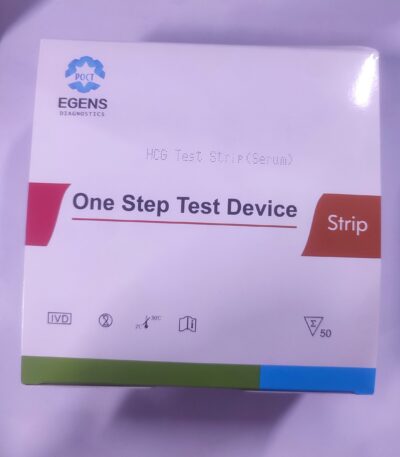
EGENS One Step HCG Test Strips
Original price was: KSh 700.00.KSh 450.00Current price is: KSh 450.00.Features:
-
Rapid results, typically within minutes
-
Simple dip-and-read procedure
-
High sensitivity and accuracy for early detection of pregnancy
-
Portable, convenient, and easy to use anywhere
-
Clear visual results for easy interpretation
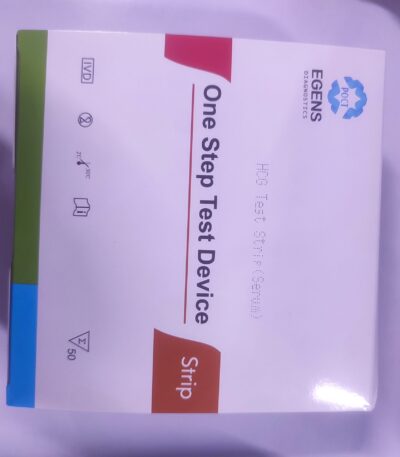
EGNS Diagnostics HCG Test Strip (Serum)
Original price was: KSh 600.00.KSh 450.00Current price is: KSh 450.00.Key Features:
-
Serum-based testing for improved accuracy
-
Fast results — easy to interpret within minutes
-
High sensitivity and specificity for early detection
-
Simple procedure suitable for clinics, laboratories, and healthcare facilities
-
Single-use, hygienic, and individually packaged
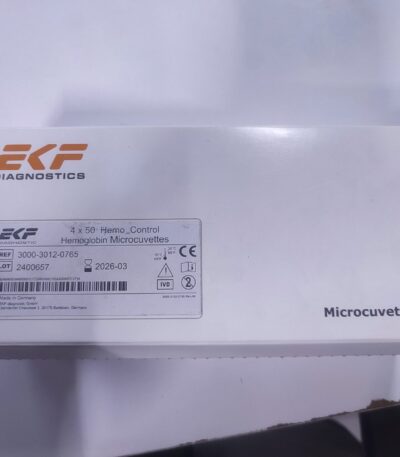
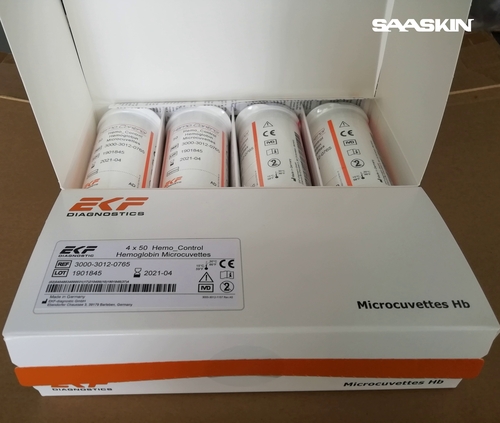
EKF Diagnostics Hemo Control Hemoglobin Microcuvettes
Original price was: KSh 6,000.00.KSh 4,500.00Current price is: KSh 4,500.00.EKF Diagnostics Hemo Control Hemoglobin Microcuvettes
EKF Diagnostics Hemo Control Hemoglobin Microcuvettes are precision-designed, single-use microcuvettes used for accurate hemoglobin measurement with the Hemo Control system. They are pre-calibrated to ensure reliable results, making them ideal for both clinical and point-of-care testing.
Features:
-
Pre-filled, single-use microcuvettes for hygiene and convenience
-
Compatible with Hemo Control devices for fast hemoglobin testing
-
Ensures accurate, reproducible results with minimal error
-
Easy to handle and dispose after use
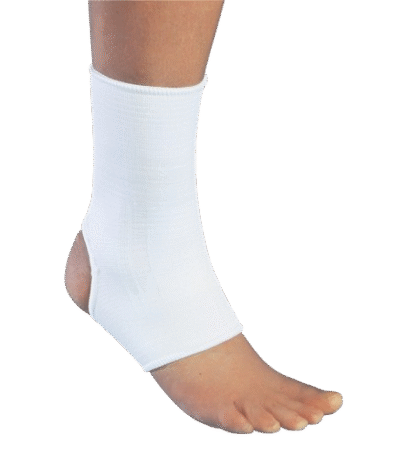
Elastic Ankle support
Original price was: KSh 1,500.00.KSh 1,200.00Current price is: KSh 1,200.00.Key Features:
-
Elastic, Breathable Fabric:
Made from soft, stretchable materials such as spandex, nylon, or cotton blends, allowing airflow and comfortable long-term use. -
Compression Support:
Provides uniform compression around the ankle, improving blood circulation and helping reduce swelling. -
Snug Fit:
Designed to fit closely around the ankle joint without slipping or bunching, allowing natural movement. -
Lightweight & Low-Profile:
Can be worn inside shoes or under socks without causing discomfort. -
Pain Relief:
Helps relieve mild sprains, strains, tendon inflammation, and general ankle instability. -
Easy to Wear:
Simply pulled over the foot like a sock for quick application.
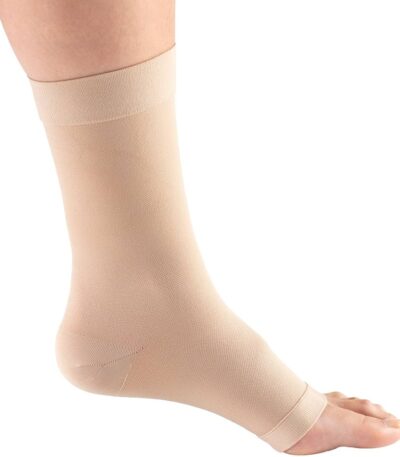
Elastic Ankle Support
Original price was: KSh 1,600.00.KSh 1,200.00Current price is: KSh 1,200.00.An elastic ankle support is a soft, stretchable sleeve designed to gently hug your ankle and give it extra stability during movement. It provides light to moderate compression, which helps reduce swelling, ease pain, and improve blood circulation—especially after a sprain, twist, or when dealing with weak or tired ankles.
Made from flexible, breathable fabric, it fits comfortably inside most shoes without feeling bulky. The snug fit supports the joint and surrounding muscles, helping prevent further strain while still allowing you to walk, exercise, or carry out daily activities comfortably.
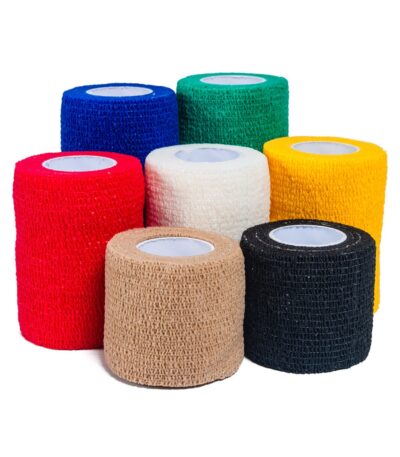
Elastic Cohesive Bandage
Original price was: KSh 950.00.KSh 800.00Current price is: KSh 800.00.• Available in a good range of colours to match your strip
• Cohesive bandage sticks to itself, but not to skin or
hair, which makes it good for bandaging hairy parts of
the body
• Flexible and stretchy to conform to body when moving
• No stick formula makes it comfortable to wear
• Easy to unwind for controlled application
• Can be torn by hand along length and width
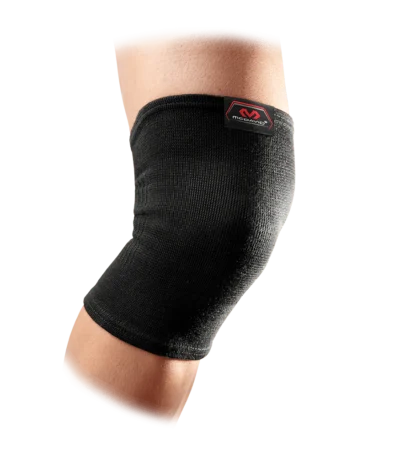
Elastic Knee Support
Original price was: KSh 1,450.00.KSh 1,200.00Current price is: KSh 1,200.00.An elastic knee support is a stretchy, snug sleeve that wraps around your knee to provide gentle compression and stability. Made from soft, elastic fabric, it supports the joint and the surrounding muscles without restricting your movement, letting you bend, walk, or exercise comfortably.
By applying gentle pressure, it helps reduce swelling, improves blood flow, and eases discomfort caused by strains, sprains, minor injuries, or arthritis. The elastic material adapts to the shape of your leg, offering a custom-like fit that stays in place during daily activities or workouts.
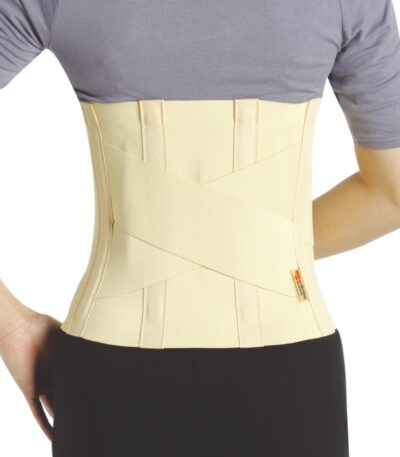
Elastic Lumbar Support
Original price was: KSh 3,600.00.KSh 2,700.00Current price is: KSh 2,700.00.An elastic lumbar support is a comfortable belt designed to wrap around your lower back and waist to give you extra strength and stability. It’s made from stretchy, breathable fabric that gently hugs your body, providing firm support without feeling too tight or uncomfortable.
When worn, it helps reduce pressure on the lower back muscles and spine, especially if you have pain from long hours of sitting, heavy lifting, muscle strain, or conditions like lower back weakness. The elastic material allows it to move with you, so you can bend, walk, or work while still feeling supported.
Most lumbar supports have adjustable straps or Velcro closures, allowing you to tighten or loosen the belt to match your comfort level. This makes it suitable for daily use — whether at home, at work, or during light physical activities.
In simple terms, an elastic lumbar support acts like a helping hand for your lower back, easing discomfort, improving posture, and giving you the confidence to move without worrying about pain.
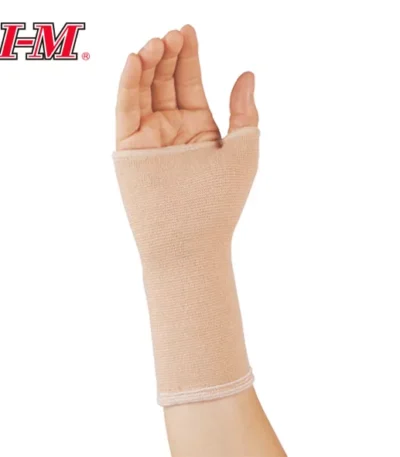
Elastic Palm with Wrist Support
Original price was: KSh 1,450.00.KSh 1,200.00Current price is: KSh 1,200.00.An elastic palm with wrist support is a soft, stretchy glove-like brace that wraps around your hand and wrist to provide gentle compression and stability. Made from breathable elastic material, it supports the wrist joint and the palm while allowing natural movement of the fingers.
This support helps reduce pain, swelling, and fatigue caused by conditions like sprains, strains, tendonitis, or repetitive stress injuries. The gentle compression improves circulation, eases discomfort, and provides extra confidence when gripping, lifting, or performing daily tasks.
Adjustable straps or snug elastic ensure a secure fit without restricting blood flow, keeping the hand comfortable for long periods.
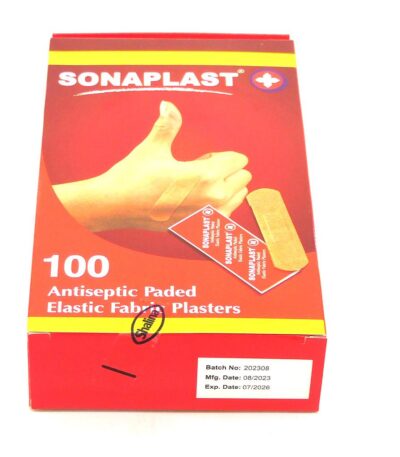
Elastoplast 100S
Original price was: KSh 200.00.KSh 150.00Current price is: KSh 150.00.Key Features
-
Elastic cotton material – allows flexibility and conforms to body movement.
-
Strong adhesive – stays in place even with activity or sweating.
-
Breathable – reduces skin irritation during longer wear.
-
Tearable by hand – easy to apply without scissors.
-
Wide roll (often 10cm x 4.5–5m) – can be cut to size for different needs.
Common Uses
-
Securing wound dressings.
-
Supporting joints (ankle, wrist, knee, etc.).
-
Light compression for sprains and strains.
-
Taping during sports activities.
-
Preventing blisters or friction on the skin.