

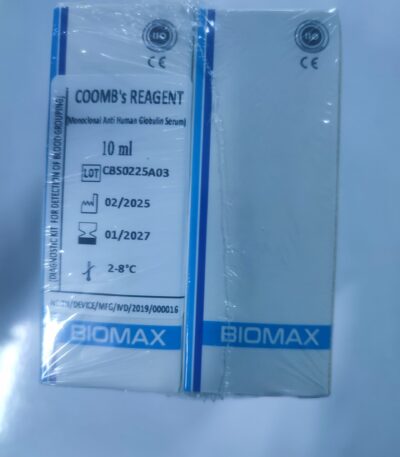
BIOMAX Coomb’s Reagent
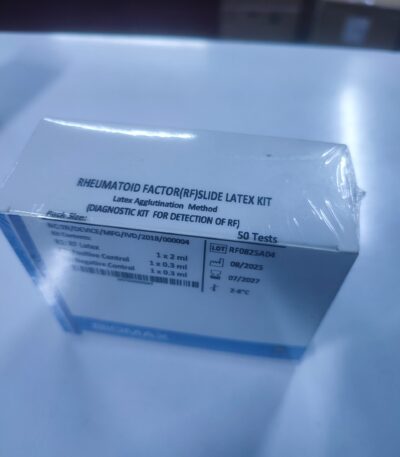
Biomax Rheumatoid Factor (RF) Slide Latex Kit
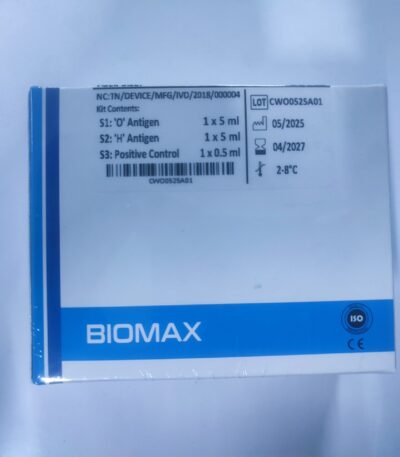
Biomax Widal Antigen Test Kit
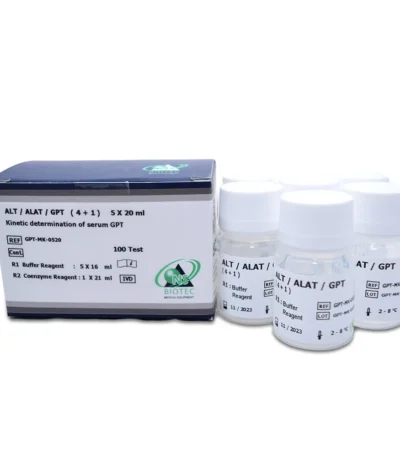
Biotech: ALAT / ALT / GPT Reagents — Clinical Chemistry / Semi-Automated Systems-biochemistry
🔬 1. IFCC Kinetic Method (Standard ALT Method)
Primary Reaction
ALT catalyzes:
L-Alanine + α-Ketoglutarate
→ Pyruvate + L-Glutamate
Indicator (Coupled) Reaction
Pyruvate + NADH + H⁺
→ Lactate + NAD⁺
(catalyzed by LDH)
As ALT activity increases, NADH decreases, and absorbance at 340 nm falls.
Measurement
-
Wavelength: 340 nm
-
Method: Kinetic, ΔA/min
-
Rate proportional to ALT activity (U/L)
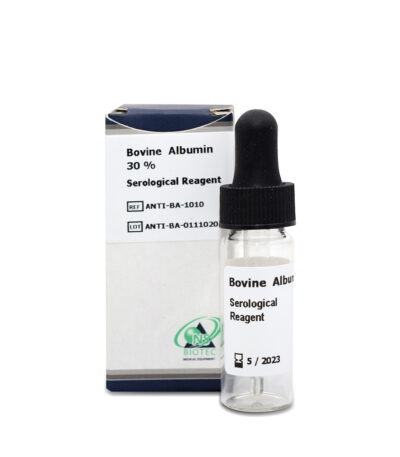
Biotech: Albumin Reagents- biochemistry
🔬 1. BCG Method (Bromocresol Green)
Most widely used in routine chemistry analyzers.
Principle
Albumin binds to BCG dye in an acidic buffer forming a green-colored complex.
-
Absorbance: 600–630 nm (green complex)
-
Type: Endpoint reaction (color intensity ∝ albumin concentration)
Advantages
-
Very robust
-
Strong signal (high sensitivity)
Limitations
-
Mild positive bias in some conditions (e.g., high globulins)
🧪 2. BCP Method (Bromocresol Purple)
A more specific albumin method.
Principle
Albumin binds selectively to BCP dye in acidic buffer forming a purple complex.
-
Absorbance: 540–550 nm
-
Type: Endpoint
Advantages
-
Higher specificity than BCG
-
Less interference from globulins or acute phase proteins
Limitations
-
Slightly lower color intensity
-
More common in premium reagent lines
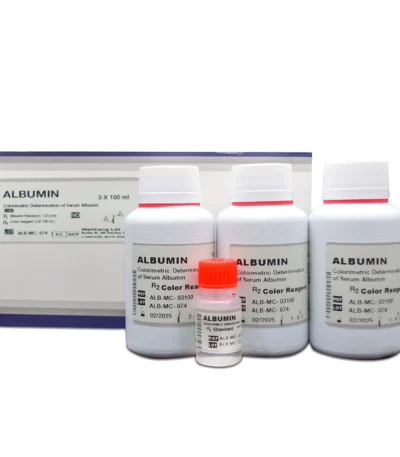
Biotech: Alkaline Phosphatase (ALP / ALKP) Reagents biochemistry
🔬 1. IFCC Kinetic ALP Method (Standard)
Principle
ALP + p-Nitrophenyl phosphate (pNPP)
→ p-Nitrophenol (yellow) + Phosphate
-
Absorbance increases as p-nitrophenol is formed.
-
The rate of increase (ΔA/min) at 405 nm is proportional to ALP activity.
Measurement
-
Wavelength: 405 nm
-
Mode: Kinetic (multiple interval readings)
-
Temperature: 37°C (IFCC standard)
🧪 2. Reagent Composition (Typical)
Most ALP kits use single-reagent or two-reagent formats.
R1 (Main Buffer Reagent)
-
Diethanolamine (DEA) buffer (high pH ~10.3)
-
Magnesium ions (Mg²⁺) — ALP cofactor
-
Zinc ions (Zn²⁺) — enzyme stabilizer
-
Surfactants
-
Preservatives
R2 (Substrate Reagent)
-
p-Nitrophenyl phosphate (pNPP)
-
Stabilizers
-
Preservatives
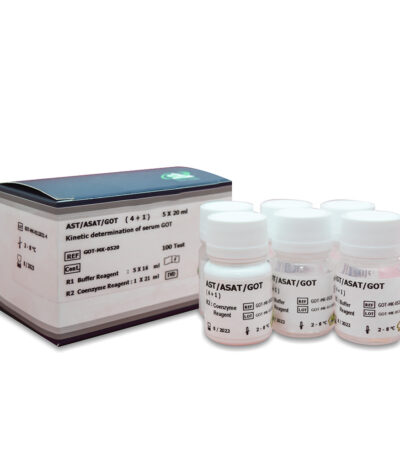
Biotech: ASAT / AST / SGOT Reagents — Clinical Chemistry / Semi-Automated Systems-biochemistry
🔬 1. IFCC Kinetic Method (Standard AST Method)
Primary Reaction (AST enzyme reaction)
L-Aspartate + α-Ketoglutarate
→ Oxaloacetate + L-Glutamate
Indicator (Coupled) Reaction
Oxaloacetate + NADH + H⁺
→ Malate + NAD⁺
(catalyzed by MDH)
LDH is often included to convert pyruvate → lactate, preventing inhibition.
As AST activity increases, NADH decreases, causing a fall in absorbance at 340 nm.
Measurement
-
Wavelength: 340 nm
-
Mode: Kinetic (rate), ΔA/min
-
Rate proportional to AST activity (U/L)
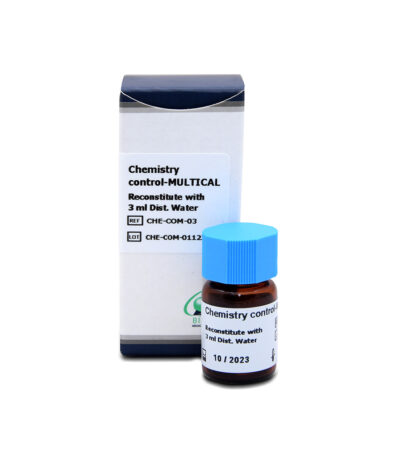
Biotech: Biochemistry Reagents
1. Diagnostic Purpose
Biochemistry reagents are designed to quantitatively measure analytes such as:
-
Liver function markers (ALT, AST, ALP, GGT, Bilirubin, Total Protein)
-
Renal function markers (Urea, Creatinine, Uric Acid)
-
Electrolytes (Sodium, Potassium, Chloride—depending on analyzer type)
-
Lipid profile (Cholesterol, Triglycerides, HDL, LDL)
-
Glucose metabolism (Glucose, HbA1c kits depending on system)
-
Enzymes and substrates (LDH, CK, Amylase, Lipase)
2. Types of Formulations
Biochemistry reagents may come in:
-
Single-reagent systems
(One ready-to-use bottle) -
Two-reagent systems
(R1 buffer + R2 starter/working reagent) -
Lyophilized reagents
(Require reconstitution) -
Liquid-stable reagents
(Long shelf-life, preferred for automated analyzers)
3. Compatibility
Designed for:
-
Fully automated clinical chemistry analyzers
-
Semi-automated bench-top analyzers
-
Point-of-care analyzers (specific formats)
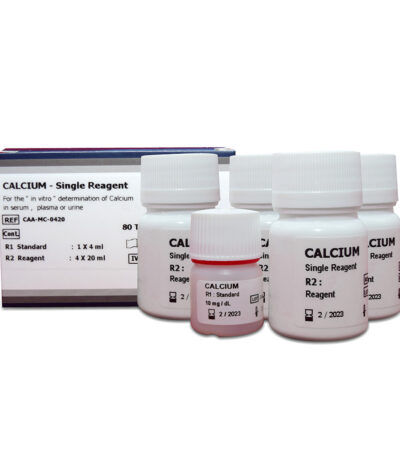
Biotech: Calcium Reagents-biochemistry
Principle of Measurement
1. Arsenazo III Method (Most widely used in modern analyzers)
How it works:
-
Calcium ions react with Arsenazo III dye to form a blue-purple complex.
-
The intensity of the color is measured photometrically at 650–660 nm.
-
Highly specific for calcium with minimal interference from magnesium.
Advantages:
-
Excellent stability
-
Strong absorbance
-
High specificity and precision
2. o-Cresolphthalein Complexone (OCPC) Method
How it works:
-
Calcium forms a purple-red complex with o-cresolphthalein complexone in alkaline conditions.
-
Read photometrically at 570–580 nm.
-
Common in semi-auto chemistry analyzers.
Advantages:
-
Reliable and widely established
-
Suitable for manual and automated systems
Reagent Components
Arsenazo III Reagents May Contain:
-
Arsenazo III dye
-
Buffer (MES or other suitable buffers)
-
Stabilizers
-
Surfactants
-
Preservatives
OCPC Reagents May Contain:
-
o-Cresolphthalein complexone
-
Alkaline buffer (e.g., 8-hydroxyquinoline to remove magnesium interference)
-
Dye stabilizer
-
Surfactants
-
Preservatives
Packaging Format
-
Single liquid reagent (most common)
-
Two-reagent system (R1 + R2)
-
Ready-to-use liquid stable bottles
-
Analyzer-specific reagent cartridges
Common volumes: 25 ml, 50 ml, 100 ml, 250 ml or more.
Sample Types
-
Serum
-
Plasma (heparinized samples preferred)
-
Urine (dilution may be needed)
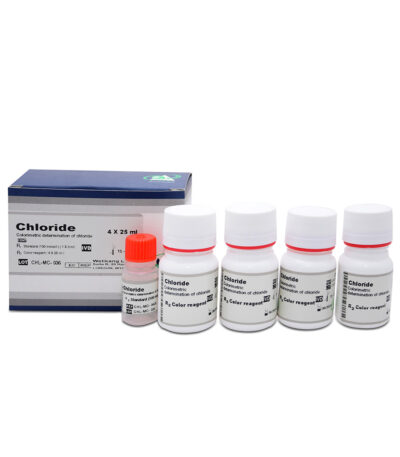
Biotech: Chloride Reagents-biochemistry
Measurement Methods & Reagents
1. Ion-Selective Electrode (ISE) Method (Most common in modern analyzers)
Reagents include:
-
Reference (internal standard) solution
-
Electrode electrolyte solution
-
Conditioning solution
-
Cleaning solution
-
Calibrators (Low and High Chloride)
Principle:
A chloride-selective membrane develops an electrical potential proportional to chloride concentration.
ISE systems require stable calibration solutions and maintenance reagents.
2. Mercuric Thiocyanate Colorimetric Method
How it works:
-
Chloride reacts with mercuric ions, forming mercuric chloride.
-
Released thiocyanate ions form a red-colored complex with ferric ions.
-
The color intensity is measured photometrically at 480–520 nm.
Reagents contain:
-
Mercuric thiocyanate
-
Ferric nitrate or ferric ammonium sulfate
-
Buffer system
-
Surfactants and stabilizers
Advantages:
-
Reliable for automated chemistry analyzers
-
High precision
3. Colorimetric TPTZ Method (Less common)
Chloride displaces iron from a complex; the released iron reacts with TPTZ dye to form a measurable color.
Packaging Formats
-
Single-liquid reagent
-
Two-reagent kits (R1 buffer + R2 color reagent)
-
ISE-specific reagent packs
-
Ready-to-use liquid stable formulations
Typical volumes: 25 ml, 50 ml, 100 ml, 250 ml.
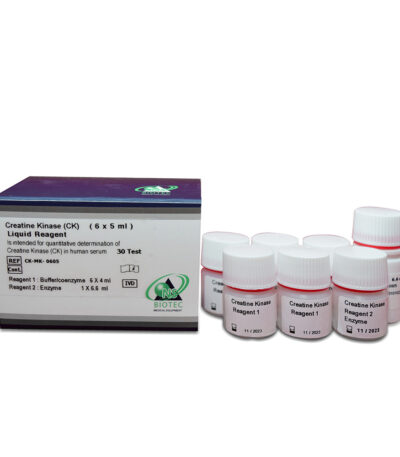
Biotech: Creatinine Reagents
1. Jaffe Method (Most Common)
-
Based on the reaction between creatinine and picric acid in an alkaline medium.
-
Produces an orange-red complex.
-
Absorbance is measured photometrically, usually at 505–520 nm.
-
Some kits include compensated Jaffe formulations to reduce interference from glucose, ketones, and proteins.
2. Enzymatic Method
-
Uses a sequence of enzyme reactions (creatininase, creatinase, sarcosine oxidase, peroxidase).
-
Produces a colored dye measurable at 550–570 nm.
-
Higher specificity than Jaffe, minimal interference.
Reagent Components
Depending on the method, creatinine reagent kits may include:
For Jaffe Method
-
Alkaline buffer
-
Picric acid
-
Stabilizers
-
Surfactants
-
Preservatives
For Enzymatic Method
-
Enzyme mixture (creatininase, creatinase, sarcosine oxidase)
-
Chromogenic dye reagents
-
Phosphate or Good’s buffer
-
Activators
-
Preservatives
Packaging Format
Most creatinine reagent kits are provided as:
-
Two-reagent system (R1 buffer + R2 working reagent)
-
Ready-to-use liquid formulations
-
Optional standards or calibrators
Common sizes: 25 ml, 50 ml, 100 ml, 250 ml, or analyzer-specific cartridges.
Sample Type
-
Serum
-
Plasma (heparin, EDTA)
-
Urine (often diluted before analysis)
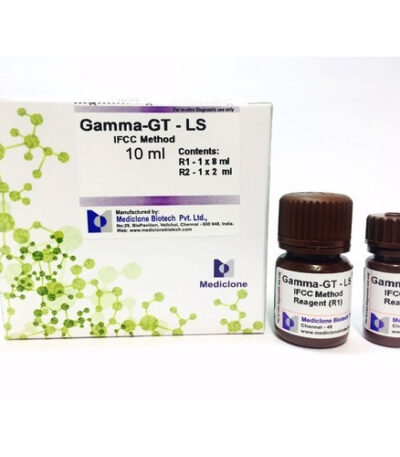
Biotech: GGT / Gamma GT Reagent-biochemistry
Principle of the Test
Most GGT reagents use the Szasz kinetic method, which involves:
-
Substrate:
γ-glutamyl-p-nitroanilide
This compound contains a gamma-glutamyl group. -
Enzymatic Reaction:
GGT in the sample transfers the gamma-glutamyl group to an acceptor (often glycylglycine). -
Product Formation:
The reaction releases p-nitroaniline, which has a strong yellow color. -
Measurement:
The analyzer measures the increase in absorbance at 405 nm.
The rate of color formation is directly proportional to the GGT activity.
Key Reagent Components
The GGT reagent typically contains:
✔ γ-glutamyl-p-nitroanilide
The chromogenic substrate used in the Szasz method.
✔ Glycylglycine (or similar acceptor)
Accepts the gamma-glutamyl group during the reaction.
✔ Buffers
Maintain optimal pH (usually alkaline, around pH 8.2–8.4).
✔ Stabilizers & Preservatives
Ensure reagent stability and long shelf life.
✔ Detergents / Surfactants
Help maintain reagent clarity and enhance reaction performance.


