

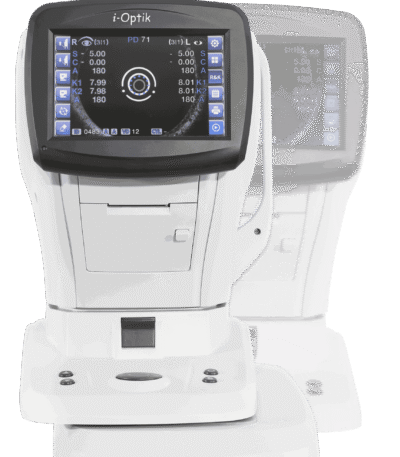
AUTO REFRACTOMETER/KERATOMETER ARK-910
Original price was: KSh 670,000.00.KSh 650,000.00Current price is: KSh 650,000.00. Order via WhatsApp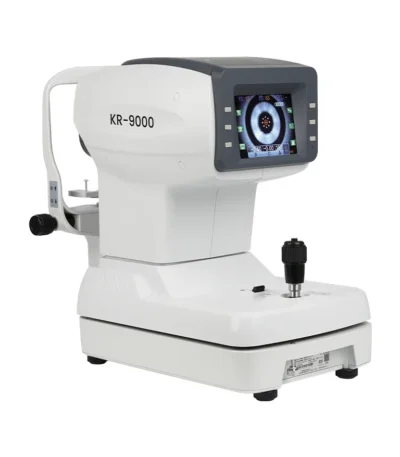
AUTO REFRACTOMETER/KERATOMETERKR9000
Original price was: KSh 480,000.00.KSh 455,000.00Current price is: KSh 455,000.00.5.7 inch color screen
Refraction and Corneal curvature measurement
Automatic measurement after alignment
Built-in fast thermal printer
One key lock function
Data transmittance with Computerized vision tester
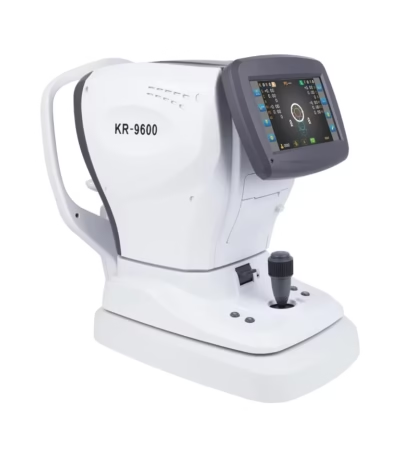
AUTO REFRACTOMETER/KERATOMETERKR9600
Original price was: KSh 600,000.00.KSh 520,000.00Current price is: KSh 520,000.00.7.0 inch touch screen
Y axis auto tracking
Motorized chin rest and joystick
Built-in fast thermal printer
One key lock function
Data transmittance with Computerized vision tester
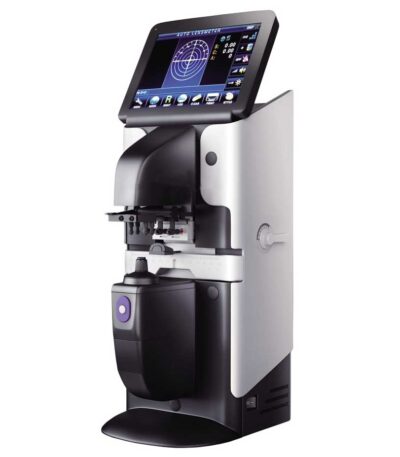
Auto-Lensmeter
Original price was: KSh 180,000.00.KSh 175,000.00Current price is: KSh 175,000.00.An Auto-Lensmeter (also called an Automatic Lensmeter or Auto Lens Analyzer) is an electronic optical instrument used in optical clinics and eye hospitals to measure the prescription of eyeglass lenses quickly and accurately.
It determines the lens power, optical center, prism, and axis of cylindrical lenses — essential for verifying prescriptions and aligning lenses in new spectacles.
Auto-Refractometer with Keratometer
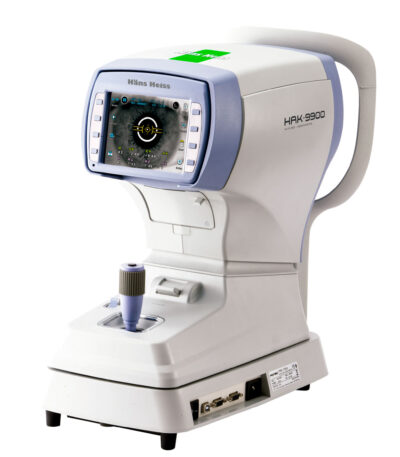
Original price was: KSh 415,000.00.KSh 410,000.00Current price is: KSh 410,000.00.An Auto-Refractometer with Keratometer is an automated optical diagnostic instrument used in eye clinics and hospitals to measure refractive errors (such as myopia, hyperopia, and astigmatism) and assess the curvature of the cornea (keratometry).
It combines two key functions — autorefraction and keratometry — in one device, providing quick, accurate, and objective measurements essential for prescribing corrective lenses and for contact lens fitting.
Autoclave Tape
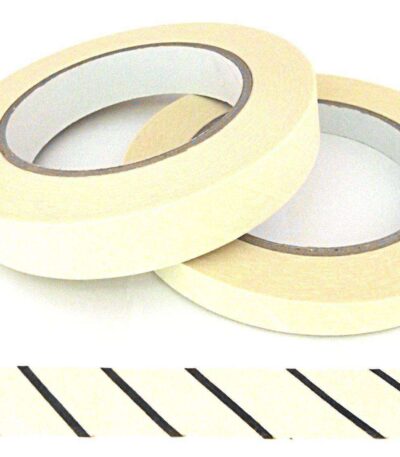
Original price was: KSh 500.00.KSh 350.00Current price is: KSh 350.00.Key Features
-
Adhesive backing for sticking to instrument packs, linen wraps, paper, or plastic.
-
Chemical indicator lines that change color during sterilization.
-
Works in steam autoclaves (typically 121°C–134°C).
-
Easy to write on (date, batch, initials).
-
Usually comes in rolls (commonly 1 inch × 50 meters, varies by manufacturer).
How It Is Used
-
Apply tape to wrapped instruments or packs before loading into the autoclave.
-
Run the autoclave cycle.
-
After sterilization, visually confirm that the indicator lines have changed color.
-
Document and store packs appropriately.
Important Notes
-
Autoclave tape does not replace biological or chemical indicator strips.
-
It only shows exposure, not whether the correct pressure/time was fully met.
-
Should be used along with:
-
Class 4/5/6 chemical indicators
-
Biological spore tests (for full sterility assurance)
-
Autoclaving Pouch (Sterilization Pack)
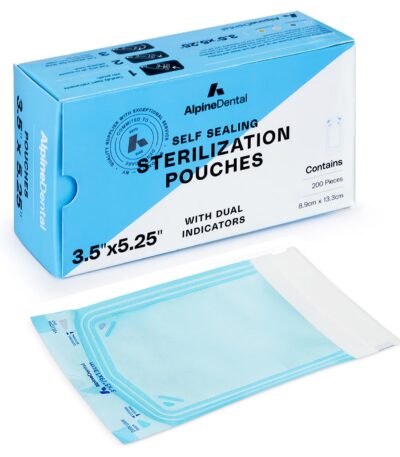
Original price was: KSh 2,600.00.KSh 2,000.00Current price is: KSh 2,000.00.An Autoclaving Pouch, also known as a Sterilization Pouch or Autoclave Bag, is a heat-sealable medical-grade packaging used to enclose and protect dental and surgical instruments during steam sterilization (autoclaving). It maintains the sterility of instruments until they are ready for use.
Automated External Defibrillator (AED)
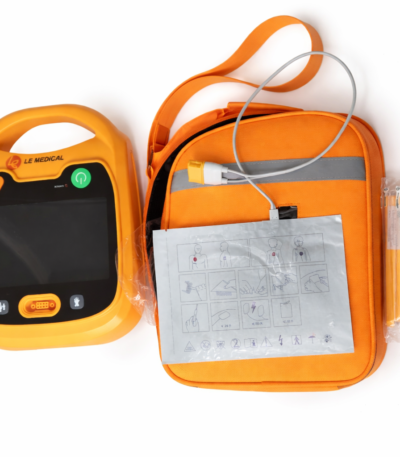
Original price was: KSh 180,000.00.KSh 130,000.00Current price is: KSh 130,000.00.An Automated External Defibrillator (AED) is a portable, easy-to-use medical device designed to treat sudden cardiac arrest. It automatically analyzes the heart’s rhythm and, if needed, delivers a controlled electric shock to help restore a normal heartbeat. AEDs are designed for use by both medical professionals and trained laypersons in emergency situations.
Key Features:
-
Automatic operation: Guides the user with voice and visual prompts for safe and effective shock delivery.
-
Rapid response: Quickly analyzes heart rhythm and advises when a shock is necessary.
-
Portability: Lightweight and compact, suitable for hospitals, clinics, workplaces, public areas, and emergency response vehicles.
-
Safety features: Prevents accidental shocks to the user and ensures the shock is only delivered when needed.
-
Battery-powered: Reliable operation even in locations without direct power supply.
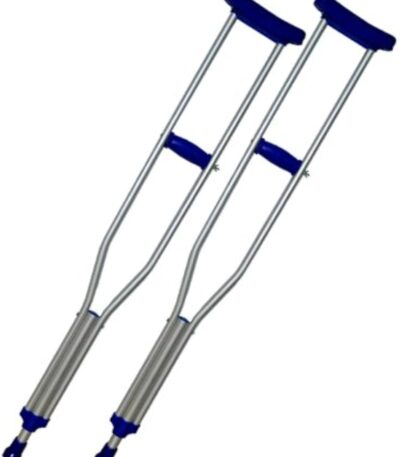
Axillary Crutch (Medium)
Original price was: KSh 3,500.00.KSh 2,750.00Current price is: KSh 2,750.00.Key Features:
-
Underarm (Axillary) Support:
-
Soft padded top fits under the armpit
-
Provides comfort and reduces pressure on the upper body
-
-
Adjustable Height:
-
Medium size typically fits adults of average height
-
Both the crutch height and handgrip height are adjustable for proper posture
-
-
Ergonomic Handgrip:
-
Designed for comfort and grip stability
-
Helps in weight distribution during movement
-
-
Lightweight Aluminum or Wooden Frame:
-
Aluminum models are lightweight and rust-free
-
Wooden models are strong and traditional
-
-
Non-Slip Rubber Tip:
-
Ensures traction on various surfaces
-
Helps prevent slipping and increases stability
-
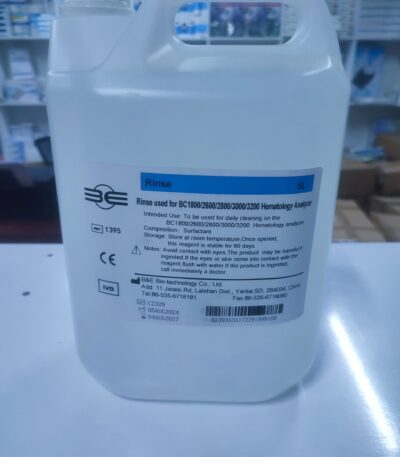
B&E Bio – 5-Liter Rinse Solution
Original price was: KSh 8,500.00.KSh 7,000.00Current price is: KSh 7,000.00.Key Features
-
Laboratory-Grade Purity: Formulated to deliver clean, residue-free rinsing for sensitive instruments and procedures.
-
Large 5-Liter Capacity: Provides extended use, reducing frequent replacement and supporting high-volume operations.
-
Secure, Easy-Pour Bottle: The sturdy bottle design ensures safe handling, controlled dispensing, and long storage life.
-
Multi-Purpose Use: Suitable for rinsing glassware, instruments, pipette tips, sample containers, and general lab equipment.
-
Stable Composition: Designed to maintain quality over time when stored properly.
Applications
-
Routine laboratory rinsing
-
Diagnostic sample preparation
-
Cleaning of medical and research equipment
-
General use in microbiology, chemistry, and biomedical labs

B5 Ultrasonic Dental Scaler
Original price was: KSh 27,000.00.KSh 25,000.00Current price is: KSh 25,000.00. Order via WhatsApp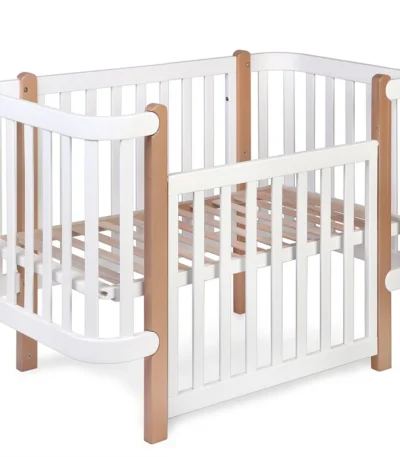
Baby Cot
Original price was: KSh 17,000.00.KSh 15,000.00Current price is: KSh 15,000.00.The Baby Cot is a specially designed hospital bed for newborns and infants, providing a safe, comfortable, and hygienic environment for rest and observation. It is commonly used in maternity wards, nurseries, neonatal units, and postnatal care centers. The cot is designed to offer easy access for caregivers and ensure maximum safety for the baby.


