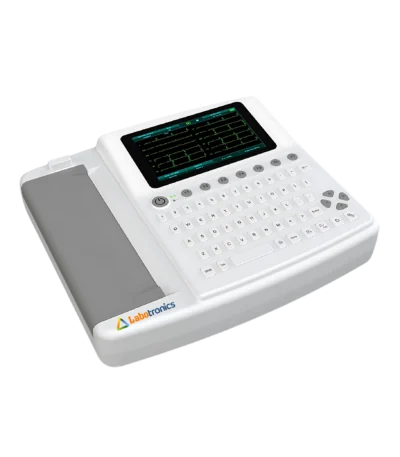
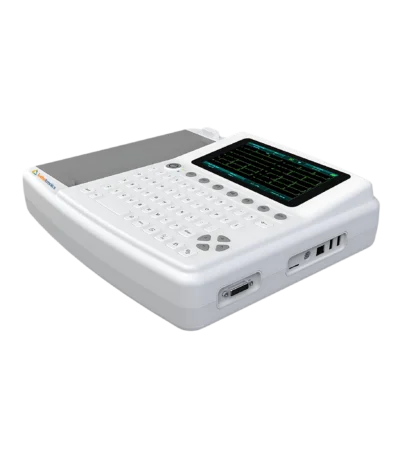
A 12-Channel Electrocardiograph (ECG) machine
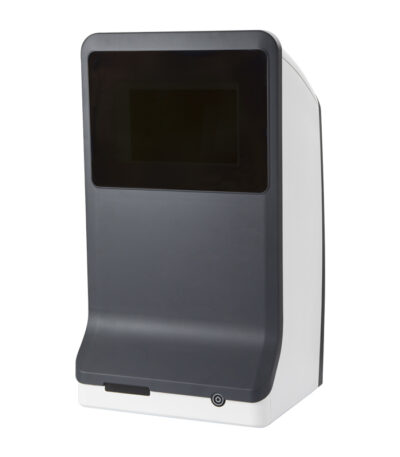
A CM-2200 CHART MONITOR
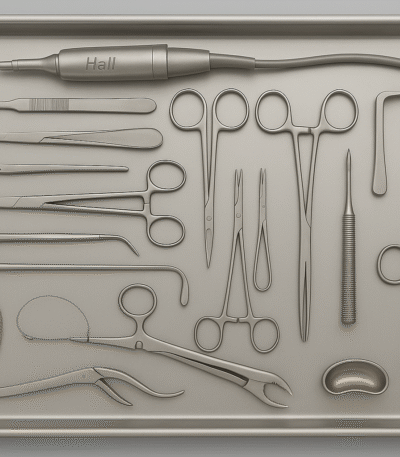
A Craniotomy Set
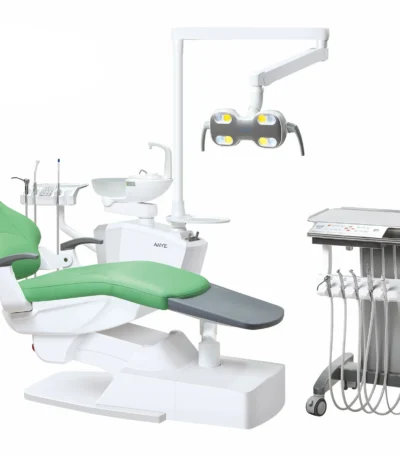
A Dental Chair (Complete Unit)
A Complete Dental Chair Unit is a fully integrated workstation designed for dental professionals to perform examinations, cleaning, surgical, and restorative procedures efficiently and comfortably. It includes the patient chair, dentist’s delivery system, assistant’s unit, operating light, spittoon, and control panel, forming the central piece of equipment in any dental operatory.
General Description
-
Product Name: Dental Chair Complete Unit
-
Type: Electrically operated / hydraulic dental chair
-
Structure: Ergonomic, motorized reclining chair with full dental delivery system
-
Power Source: 220–240V AC, 50/60 Hz
-
Control: Foot control and digital touch panel
-
Configuration: Dentist’s side + Assistant’s side + Patient chair assembly
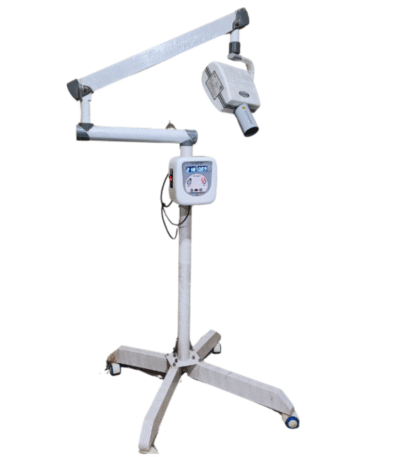
A Dental X-Ray Machine (IOPA) with Film Processor
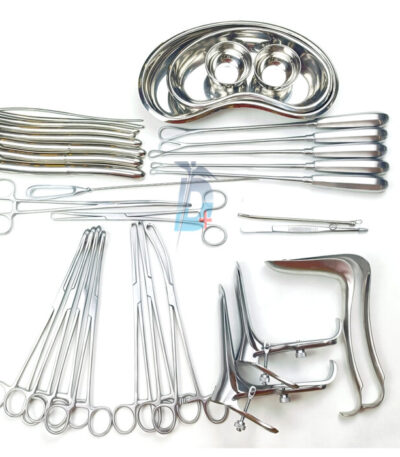
A Dilation and Curettage (D & C) Surgical Set
Key Components and Their Functions:
-
Uterine Sound – Measures the depth and orientation of the uterus.
-
Cervical Dilators (Hegar or Pratt Dilators) – Used to gradually dilate the cervix for uterine access.
-
Uterine Curettes (Sharp and Blunt) – For scraping and removing tissue or debris from the uterine walls.
-
Tenaculum Forceps (Single/Double Tooth) – Used to grasp and stabilize the cervix during the procedure.
-
Vulsellum Forceps – Helps in holding the cervix or uterus firmly.
-
Sponge Holding Forceps – Used for cleaning and applying antiseptics inside the vagina.
-
Artery Forceps (Curved and Straight) – For clamping small blood vessels to control bleeding.
-
Scissors (Mayo, Metzenbaum) – Used for cutting sutures or soft tissue.
-
Speculum (Cusco or Sims) – Opens the vaginal canal for visualization and access to the cervix.
-
Bowls and Kidney Dishes – For collecting samples or fluids during the procedure.
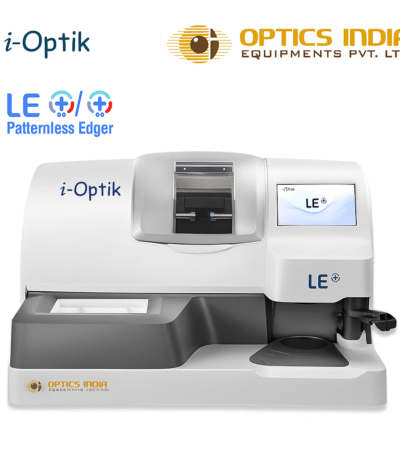
A FULLY AUTO EDGER LE 2.0 PATTERNLESS
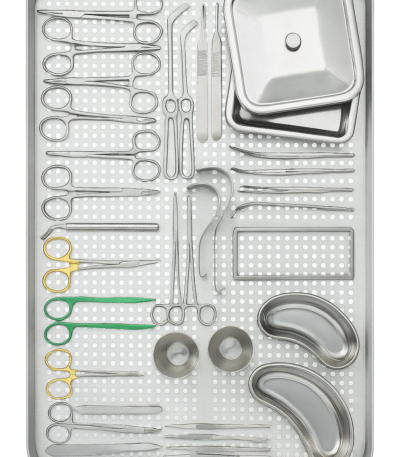
A General Set Major
Below is a description of the typical components included:
1. Cutting and Dissecting Instruments
-
Scalpel handles (No. 3 & 4) – for attaching surgical blades.
-
Metzenbaum scissors – for delicate tissue dissection.
-
Mayo scissors (straight and curved) – for cutting sutures and tough tissue.
-
Bone cutting forceps or rongeur (optional) – for cutting small bone fragments.
2. Grasping and Holding Instruments
-
Tissue forceps (with and without teeth) – for holding skin and tissue.
-
Allis tissue forceps – for firmly grasping soft tissue.
-
Babcock forceps – for delicate structures like intestines or fallopian tubes.
-
Kocher (Ochsner) forceps – for tough tissue or fascia.
3. Clamping and Occluding Instruments
-
Artery forceps (Mosquito, Kelly, Crile, Rochester-Pean) – for hemostasis (controlling bleeding).
-
Right angle (Mixter) forceps – for passing ligatures around vessels.
-
Towel clamps (Backhaus) – for securing drapes.
4. Retracting and Exposing Instruments
-
Langenbeck retractors – for small incisions.
-
Deaver retractors – for deep cavity retraction.
-
Richardson retractors – for abdominal wall exposure.
-
Rake retractors – for superficial retraction.
5. Suturing and Stapling Instruments
-
Needle holders (Mayo-Hegar, Olsen-Hegar) – for suturing.
-
Suture scissors – for cutting suture material.
6. Suction and Miscellaneous Instruments
-
Yankauer or Poole suction tube – for aspirating fluids.
-
Towel clips – to hold sterile drapes.
-
Bowl set (kidney dishes, round bowls) – for holding saline or instruments.
-
Instrument tray (sterilizable) – for organizing the set.
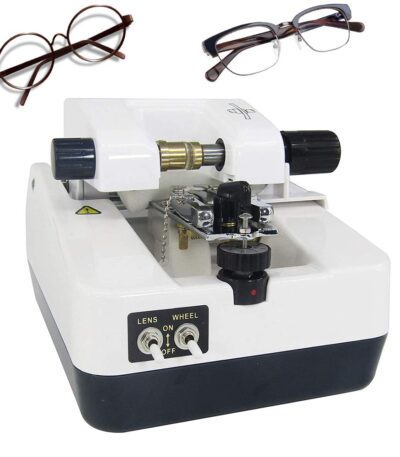
A GROVING MACHINE
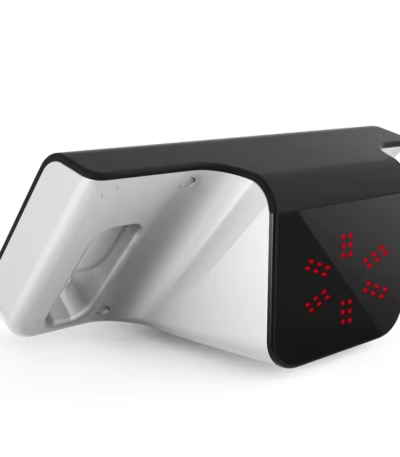
A HANDHELD REFRACTOMETER AI-OPTIC
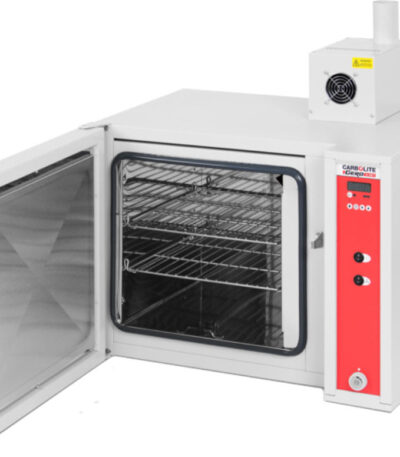
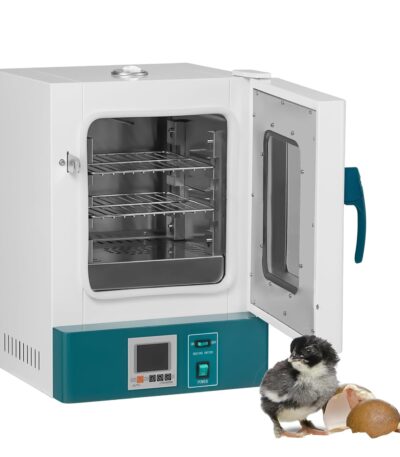
A Laboratory Drying Oven
A laboratory drying oven is a piece of equipment used to remove moisture from samples and materials under controlled temperature conditions. It provides even, consistent heat that helps dry glassware, chemicals, powders, or solid samples without damaging them.
These ovens are commonly used in laboratories for tasks such as drying washed glassware, preparing samples for testing, heat-treating materials, or maintaining samples at a stable temperature. Most models allow precise temperature control and uniform air circulation to ensure reliable and repeatable results.
Overall, a laboratory drying oven is valued for its accuracy, reliability, and ability to support routine laboratory work by ensuring samples are properly dried and ready for further analysis or use.