

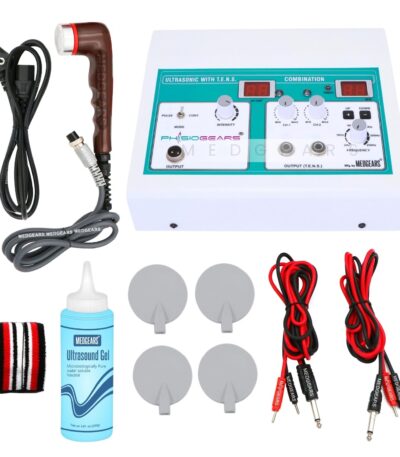
TENS Machine With Ultrasound
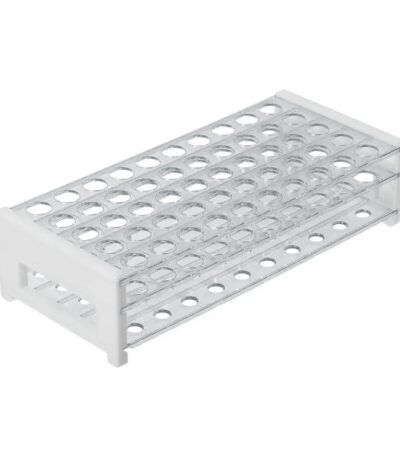
Test Tube Rack
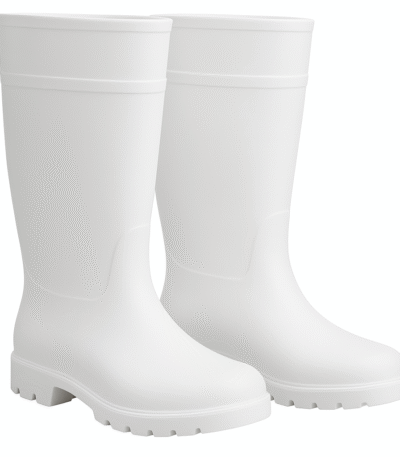
Theatre Boots (Autoclavable)
Autoclavable theatre boots are made from high-quality, heat-resistant polymer materials such as polypropylene or thermoplastic rubber (TPR). They are designed to cover the entire foot and lower leg, providing protection against fluid splashes, contamination, and slipping in sterile environments.
These boots are seamless, waterproof, and non-porous, preventing penetration of liquids and microorganisms. Their smooth surfaces make cleaning and sterilization easy, maintaining a sterile environment in the operating room.


Theatre Crocs (Autoclavable)
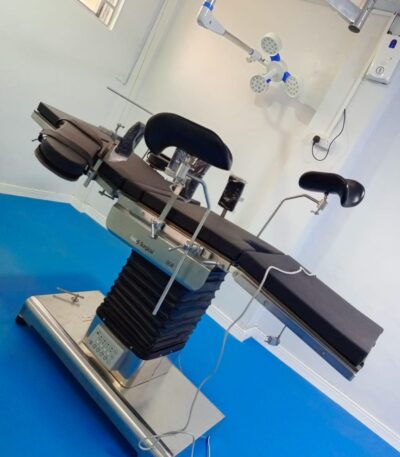
Theatre Table
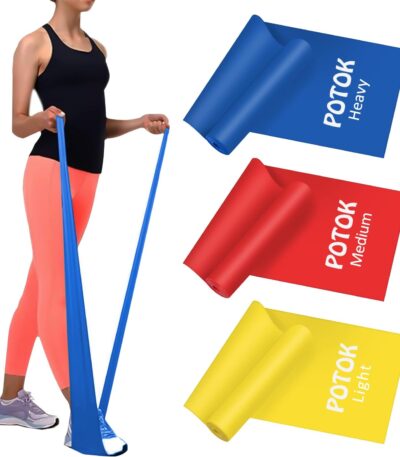
Thera Band
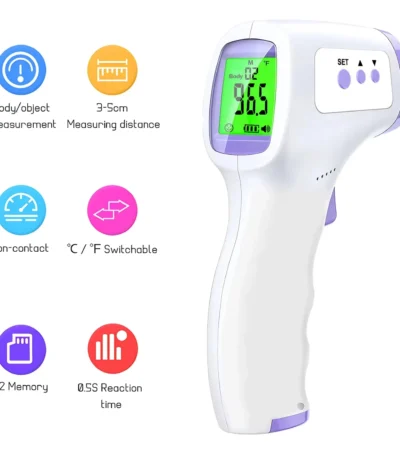
Theragun (Thermo Gun / Percussion Massage Gun)
A Theragun is a handheld, powered percussion massage device designed to relieve muscle tension, improve circulation, and support recovery after exercise or physical activity. It delivers rapid, concentrated pulses of pressure deep into muscle tissue to help relax tight areas, reduce soreness, and enhance overall mobility.
Description
The device features a motor that drives a massage head back and forth at high speed and controlled depth. Different attachments can be fitted to target various muscle groups—from large areas like the back and thighs to smaller regions such as shoulders and calves. The user holds the gun and places the moving head against the body, allowing the percussive force to penetrate muscle fibers.
Key Features
-
Percussion therapy: Rapid, repetitive strokes that stimulate muscles
-
Adjustable speed settings: Lets you tailor intensity from gentle to deep pressure
-
Interchangeable attachments: Specialized heads for different areas and needs
-
Ergonomic design: Comfortable grip and balanced weight for easy handling
-
Portable and rechargeable: Cordless use with built-in battery
Applications
-
Warm-up before workouts
-
Post-exercise muscle recovery
-
Relief of muscle tightness and stiffness
-
Increased blood flow and flexibility
-
Aid in reducing delayed onset muscle soreness (DOMS)
How It Works
The motor rapidly drives the massage head in and out against the muscle at a set frequency (strokes per minute). This percussive motion helps relax tension, increase circulation, and stimulate the nervous system’s response to muscle stress.
Benefits
-
Reduces muscle pain and stiffness
-
Aids faster recovery after exertion
-
Improves range of motion
-
Helps prepare muscles before activity
-
Can enhance overall relaxation
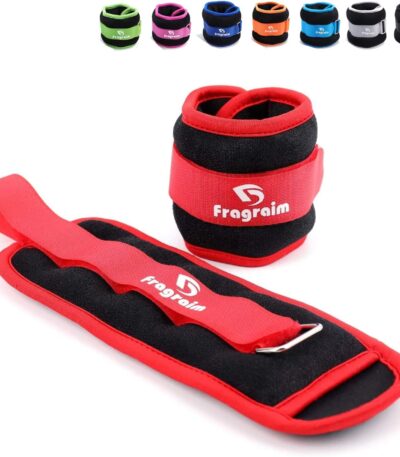
Therapeutic Weights 0.5 kg
Key Features:
-
Material:
-
Usually made of cast iron or steel, often coated with vinyl, neoprene, or rubber for a comfortable grip and safety.
-
-
Weight:
-
0.5 kg per unit, perfect for light, repetitive exercises.
-
-
Design:
-
Ergonomic, smooth shape for easy handling
-
Non-slip coating to prevent accidental drops
-
Often color-coded for easy identification in sets
-
-
Usage:
-
Can be used individually or in pairs
-
Suitable for upper body, lower body, and core exercises
-
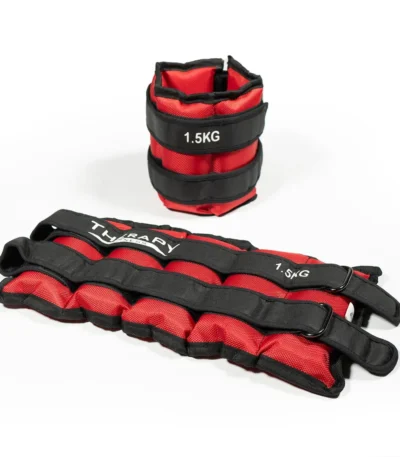
Therapeutic Weights 1.5 kg
Key Features:
-
Material:
-
Typically cast iron, steel, or coated with vinyl, neoprene, or rubber for a comfortable grip and protection.
-
-
Weight:
-
1.5 kg per unit, suitable for light-strength exercises and repetitive movements.
-
-
Design:
-
Smooth, ergonomic shape for safe handling
-
Often color-coded for easy weight identification
-
Non-slip coating for better grip and safety
-
-
Usage:
-
Can be used individually or in pairs
-
Suitable for upper body, lower body, and core exercises
-
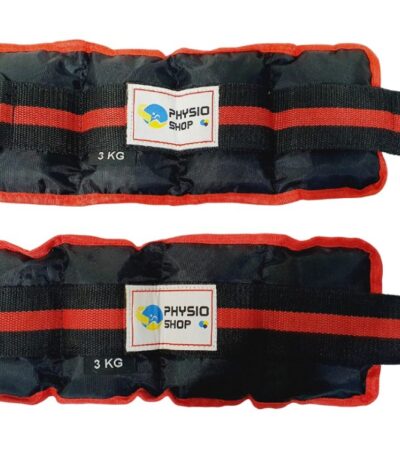
Therapeutic Weights 3.0 kg
Key Features:
-
Material:
-
Typically cast iron or steel, often coated with vinyl, neoprene, or rubber for a comfortable grip and protection against damage.
-
-
Weight:
-
3.0 kg per unit, suitable for moderate resistance training.
-
-
Design:
-
Ergonomic, smooth surface for safe handling
-
Non-slip coating to ensure secure grip
-
Often color-coded for easy identification in a set
-
-
Usage:
-
Can be used individually or in pairs
-
Suitable for upper body, lower body, and core strengthening exercises
-
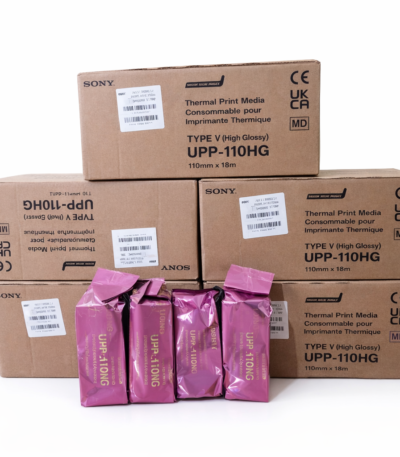
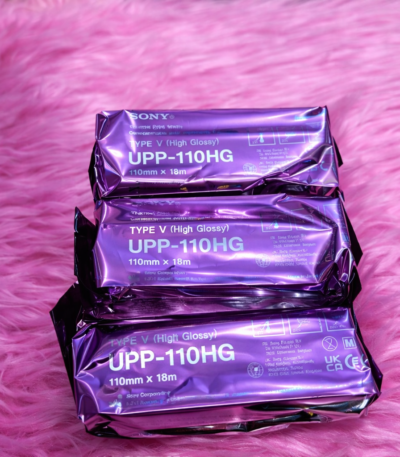
Thermal Print Papers
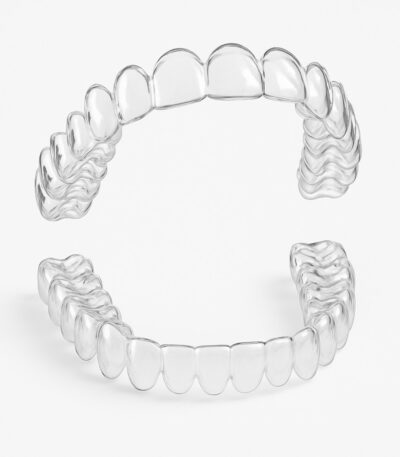
Thermoform Retainer (Essix / Clear Retainer)
A Thermoform Retainer, also known as an Essix Retainer or Clear Retainer, is a custom-made, transparent plastic appliance used after orthodontic treatment to maintain teeth in their corrected position. It is made by heat-molding (thermoforming) a thin plastic sheet over a dental cast of the patient’s teeth.


