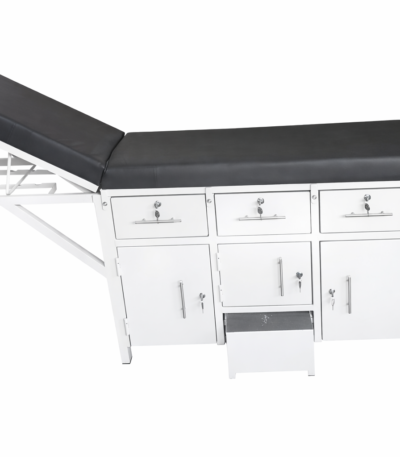
Medical examination table and storage unit (Cabinets)
Original price was: KSh 96,000.00.KSh 85,000.00Current price is: KSh 85,000.00. Order via WhatsApp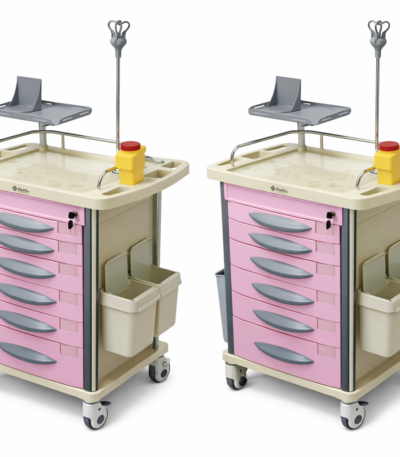
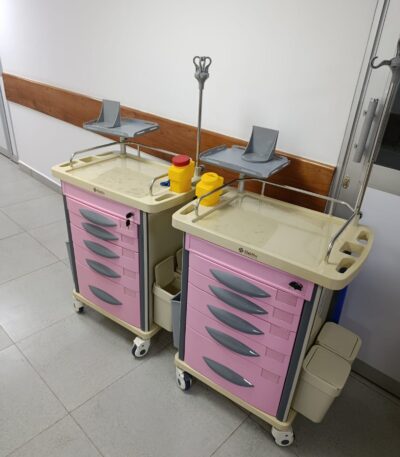
Medice Trolley (Drug Trolley)
Original price was: KSh 89,000.00.KSh 70,000.00Current price is: KSh 70,000.00. Order via WhatsApp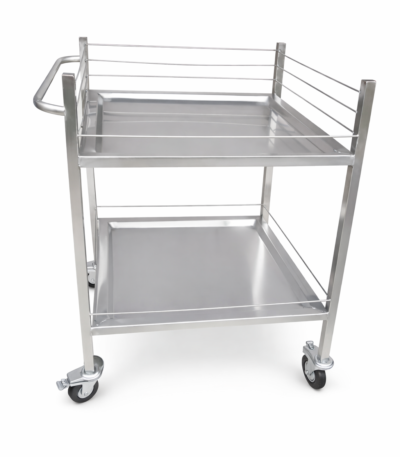
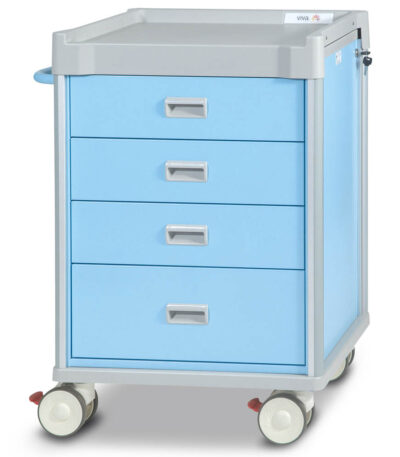
MEDICINE TROLLEYS
Original price was: KSh 86,000.00.KSh 75,000.00Current price is: KSh 75,000.00.Size:610*410*920mm > made of cold rolling steel
with coated plastic,1.0mm
thickness, easy to clean and
corrosion
-proof. > 6
drawers.
>Left: SUS304 hand soap
shelf, storage box. Right:
plastic basket, two trash
cans.


Medicott Maternity Pads
Original price was: KSh 180.00.KSh 150.00Current price is: KSh 150.00. Order via WhatsApp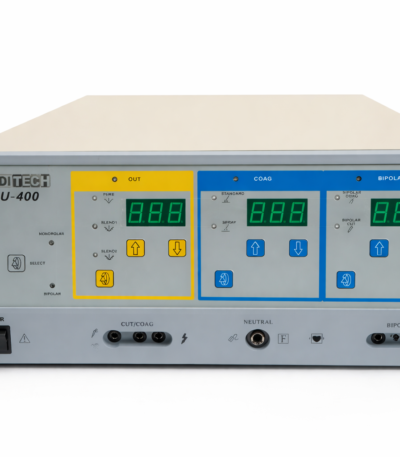
Meditech Electrosurgical (Diathermy) Machine – 400 Watts
Original price was: KSh 355,000.00.KSh 230,000.00Current price is: KSh 230,000.00.The 400-watt electrosurgical unit (ESU) is a microprocessor-controlled device that provides both monopolar and bipolar modes of operation. It can deliver a maximum output power of 400 watts, making it suitable for a wide range of surgical applications—from minor soft-tissue procedures to major operations requiring deep tissue cutting.
The machine allows precise adjustment of power levels, automatic load detection, and patient safety monitoring. It comes with cutting and coagulation modes, each optimized for smooth surgical performance and reduced tissue damage.
Meditech Electrosurgical / Diathermy Machine – 300 Watts
Original price was: KSh 312,000.00.KSh 220,000.00Current price is: KSh 220,000.00.This unit delivers up to 300 watts of output power, making it suitable for general, gynecological, ENT, orthopedic, and minor surgical procedures. It converts electrical energy into heat, enabling precise tissue dissection and coagulation with minimal damage to surrounding tissues.
The machine typically includes monopolar and bipolar modes, allowing flexibility in various surgical applications. It features a microprocessor-based control system for accurate power output and enhanced patient safety.
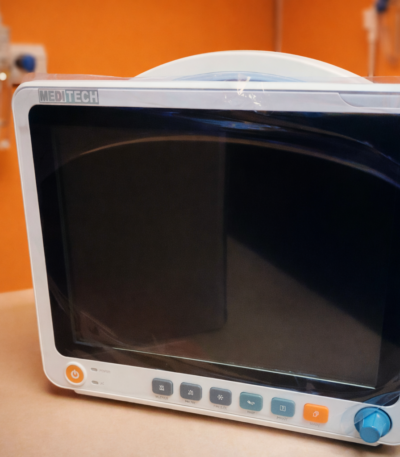
Meditech- Patient Monitor (5 Parameters)
Original price was: KSh 86,000.00.KSh 65,000.00Current price is: KSh 65,000.00. Order via WhatsApp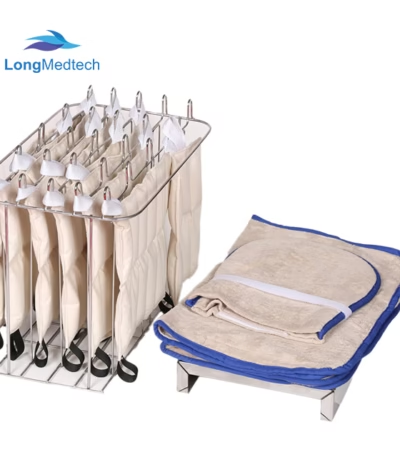
Medium Hot Packs
Original price was: KSh 7,000.00.KSh 5,500.00Current price is: KSh 5,500.00.Components:
-
Hydrocollator Unit:
-
Sturdy housing, usually stainless steel or durable plastic
-
Water tank with electric heating element to maintain constant temperature (typically 70–75°C)
-
Insulated lid to retain heat and prevent evaporation
-
Temperature control and safety features
-
-
Hot Packs (4 Units):
-
Fabric or canvas packs filled with silicate gel or hydrogel
-
Flexible even when heated, allowing application to different body areas
-
Retain heat for 20–30 minutes
-
Reusable after reheating in the hydrocollator
-
Medium Sterilizing Drums
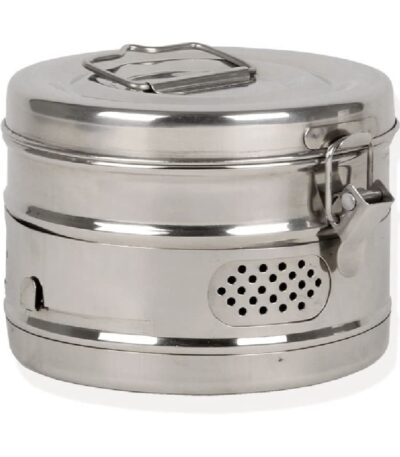
Original price was: KSh 3,800.00.KSh 2,800.00Current price is: KSh 2,800.00.Medium sterilizing drums are sturdy metal containers used in healthcare and laboratory settings to hold and sterilize medical instruments, dressings, or surgical supplies. They are designed to withstand high temperatures and pressure during sterilization processes, such as steam sterilization.
The drums usually have perforations or vents that allow steam or heat to circulate evenly inside, ensuring all contents are properly sterilized. After the process, the vents can be closed to keep the items clean and protected until they are needed.
In everyday use, medium sterilizing drums are valued for their durability, ease of handling, and ability to safely store sterile items, making them a reliable tool in hospitals, clinics, and laboratories.
Mercurial Blood Pressure Machine
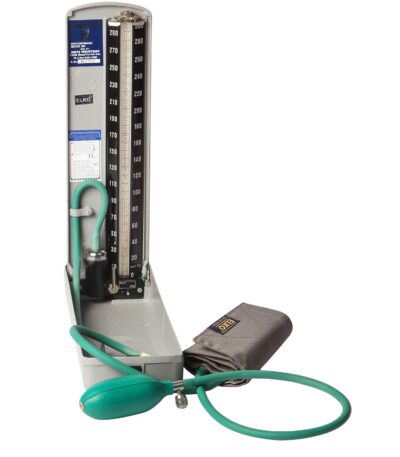
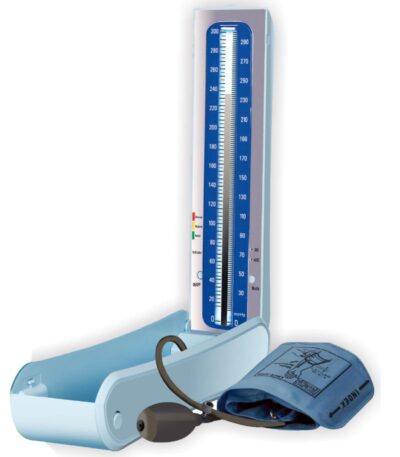
Original price was: KSh 3,000.00.KSh 2,500.00Current price is: KSh 2,500.00.This is a device used to measure blood pressure, composed of an inflatable cuff to collapse and then release the artery under the cuff in a controlled manner, and a mercury or aneroid manometer to measure the pressure. It is always used with a means to determine at what pressure blood flow is just starting, and at what pressure it is unimpeded
Also known as a Desk Type Mercury Sphygmomanometer composed of an inflatable cuff to collapse and then release the artery under the cuff in a controlled manner and a mercury manometer to measure the pressure.
It is always used with a means to determine at what pressure blood flow is just starting, and at what pressure it is unimpeded
Also known as a Desk Type Mercury Sphygmomanometer