

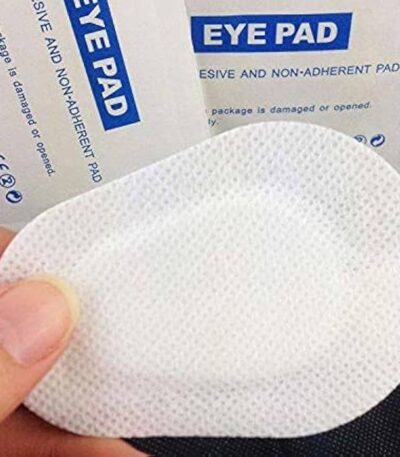
Eye Pad- Sterile

Fabric Resistance Band

FACE MASK 3 PLY NON-WOVEN EAR (50pc)

Face Masks
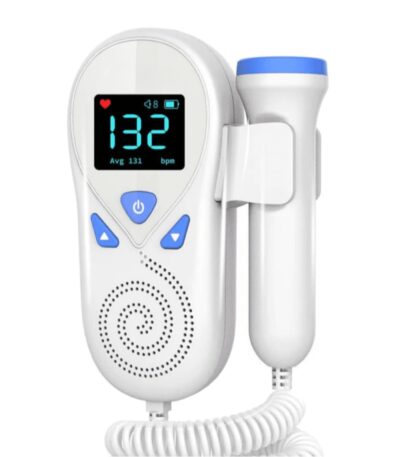
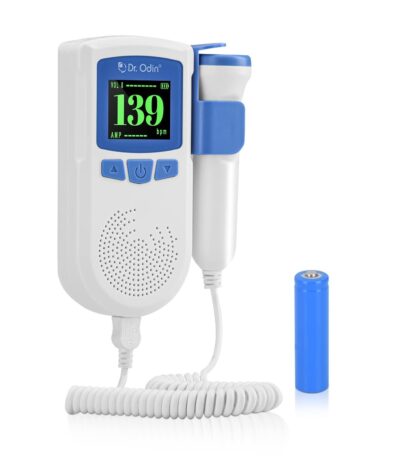
Fetal Doppler
A Fetal Doppler is a handheld or portable medical device used to detect and monitor the fetal heartbeat during pregnancy. It works by using Doppler ultrasound technology to measure the movement of the fetal heart and display or amplify the sound for evaluation by healthcare professionals or expectant mothers.
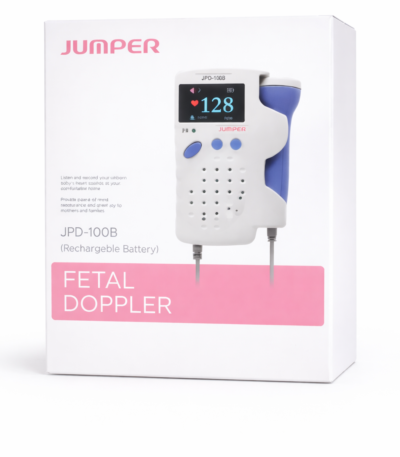
Fetal Doppler JPD-100B
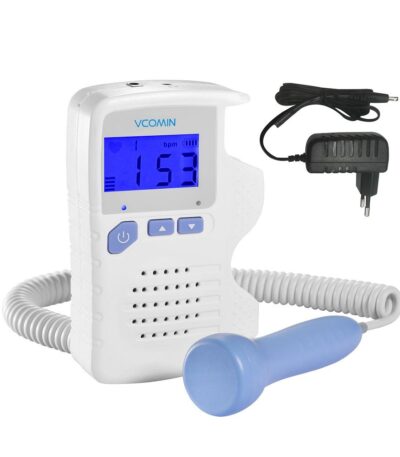
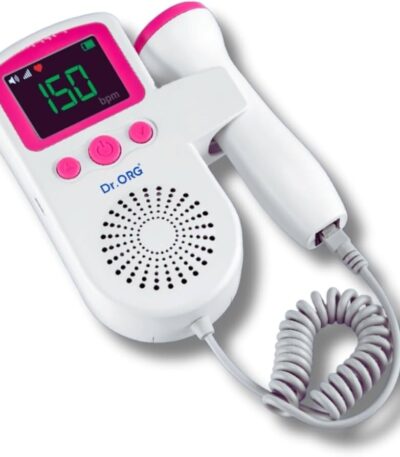
Fetal Doppler Machine
Description
The fetal Doppler transmits high-frequency sound waves through a handheld probe placed on the mother’s abdomen. The sound waves reflect off the moving fetal heart and are converted into audible beats and digital readings of the fetal heart rate (FHR). The device allows healthcare providers and expectant mothers to listen to and monitor the baby’s heartbeat safely and conveniently.
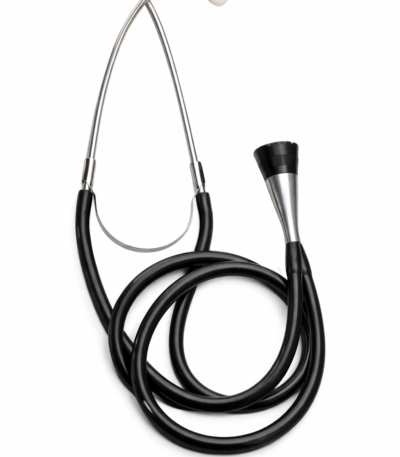
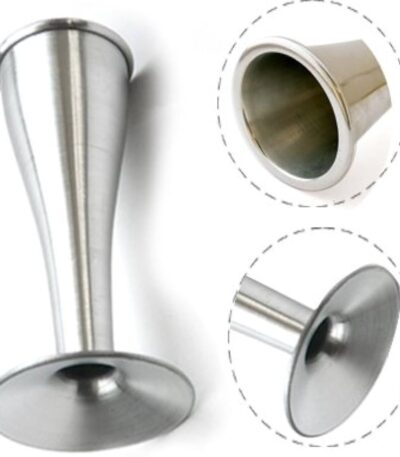
Fetalscope
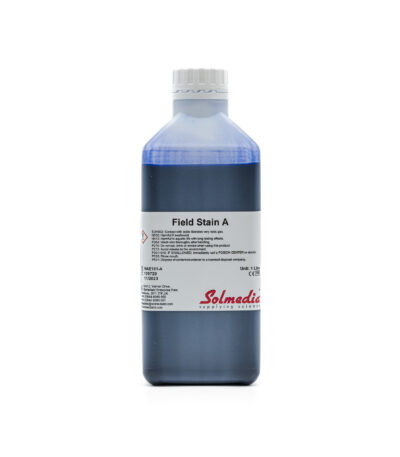
Field Stain A
🧪 Field’s Stain A
Field’s Stain A is a biological stain used primarily for staining blood smears, especially in the rapid microscopic diagnosis of malaria parasites. It is part of the Field’s staining technique, which involves two components — Field’s Stain A and Field’s Stain B — used together for quick differential staining of blood cells and parasites.
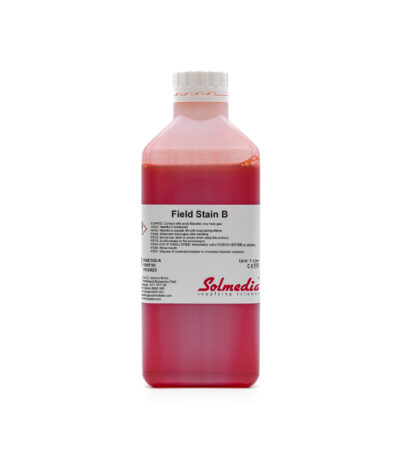
Field Stain B
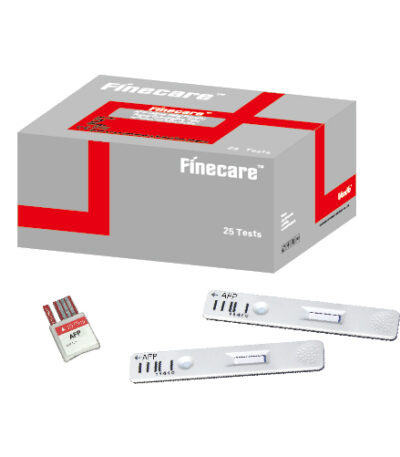
Finecare AFP Rapid Quantitative Test: immunoassay
✅ Key Features & Specifications
-
Test principle: Fluorescence Immunoassay (FIA) for the quantitative determination of Alpha-Fetoprotein (AFP) concentration in human serum, plasma, or whole blood.
-
Analyte: Alpha-Fetoprotein (AFP).
-
Measurement range: Typically 1 ng/mL – 350 ng/mL (varies slightly by batch or region).
-
Sample types: Whole blood, serum, or plasma.
-
Turnaround time: About 15 minutes from sample application to result.
-
Storage: Cartridges stable at 4 °C – 30 °C; shelf life up to 24 months.
-
Instrument compatibility: Requires the Finecare™ FIA Analyzer or Finecare Plus Reader for quantitative reading.
-
Sample volume: Approximately 75–100 µL per test.
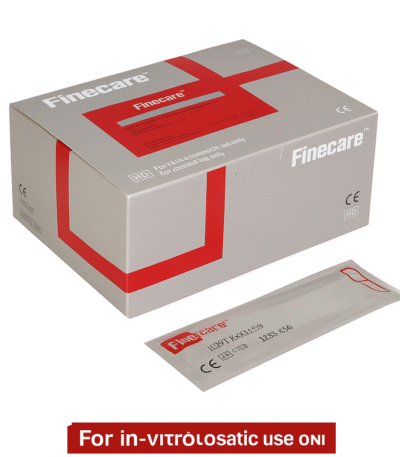
Finecare AMH Rapid Quantitative Test Kit immuonassay
Key Features and Specifications
-
Test Principle: Fluorescence immunoassay (FIA).
-
Sample Type: Serum, plasma, or whole blood.
-
Measuring Range: Typically 0.1 – 22 ng/mL (may vary with analyzer model).
-
Reaction Time: About 15 minutes.
-
Sample Volume: Approximately 75 µL.
-
Storage Temperature: 4°C – 30°C.
-
Shelf Life: Valid until the expiration date on the label.
-
Compatible Device: Finecare FIA Analyzer (e.g., Finecare FS-113, Finecare Plus).


