

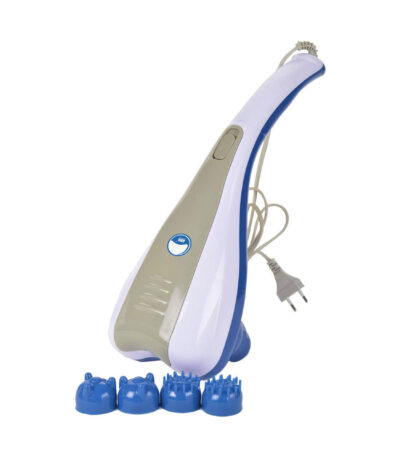
Double Head Massager
Original price was: KSh 7,500.00.KSh 6,000.00Current price is: KSh 6,000.00.• Infrared body massager with vibration gives deep
massage for fast pain relief.
• It’s powerful motor delivers up to 3,350 pulses per
minute.
• It is a double head electric massager with a set of three
different types of attachments. These attachments give
effective massage to almost every part of the body.
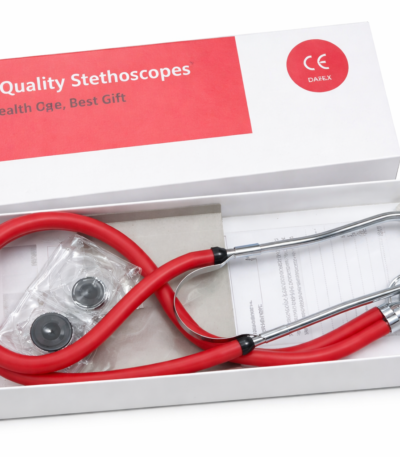
Double Tube Stethoscope
Original price was: KSh 2,500.00.KSh 1,800.00Current price is: KSh 1,800.00. Order via WhatsApp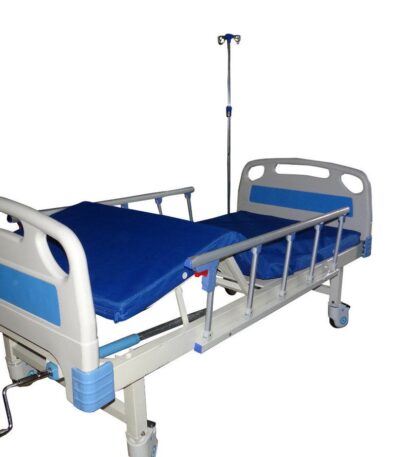
Double‑Crank ABS Hospital Bed
Original price was: KSh 39,000.00.KSh 34,000.00Current price is: KSh 34,000.00.A double-crank ABS hospital bed is a manually adjustable patient bed whose frame is built with ABS plastic head and foot boards and a metal base, and which uses two manual cranks to adjust two major sections of the bed: the backrest (head/upper body) and the leg rest (lower body). It does not require electricity for those adjustments, making it suitable for settings where power supply may be less reliable.
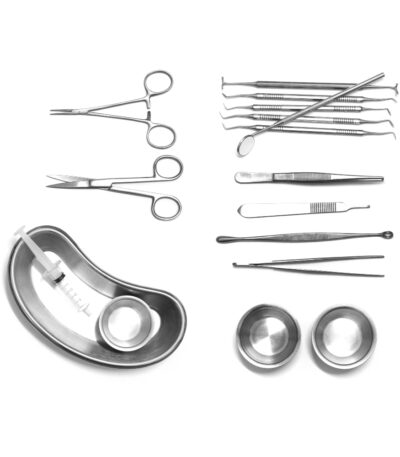
Dressing Set
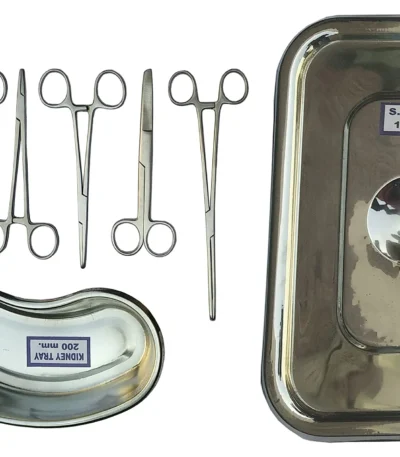
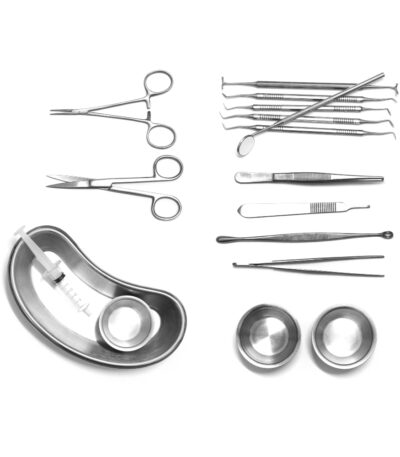
Original price was: KSh 7,500.00.KSh 4,500.00Current price is: KSh 4,500.00.A medical dressing set is a pre-assembled pack or kit of items used to clean, cover and protect wounds, incisions or surgical sites under sterile or semi-sterile conditions. It brings together the key consumables and tools needed for dressing changes in one convenient bundle.
Dressing Set
Original price was: KSh 6,500.00.KSh 4,500.00Current price is: KSh 4,500.00.A Dressing Set is a sterile or non-sterile kit containing essential instruments and accessories used for cleaning, dressing, and dressing-change procedures of wounds. It ensures aseptic technique and is commonly used in hospitals, clinics, and emergency care settings for minor surgical or wound management procedures.

DRESSING SURGICAL SET
Original price was: KSh 6,200.00.KSh 4,500.00Current price is: KSh 4,500.00.ChatGPT said:
DRESSING TROLLeY
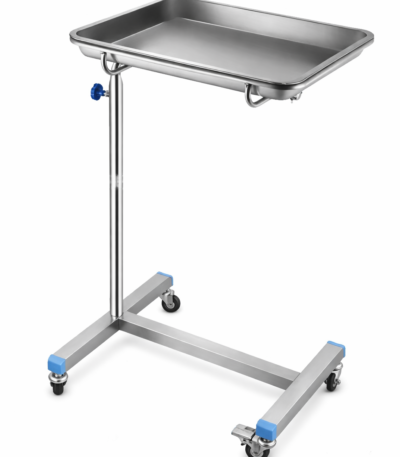
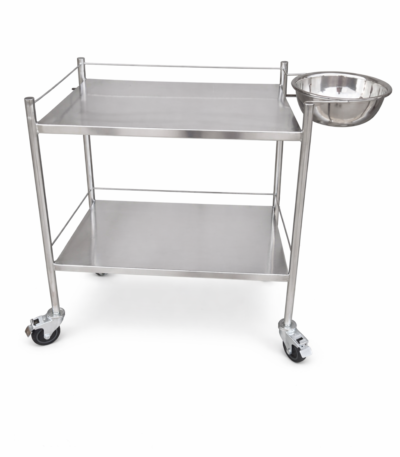
Original price was: KSh 15,600.00.KSh 13,000.00Current price is: KSh 13,000.00.A dressing trolley is a sturdy, easy-to-move workstation designed to help medical staff organize and access dressing supplies quickly. It usually features stainless-steel shelves that are easy to clean and disinfect, making it ideal for clinics, hospitals, and treatment rooms.
Most dressing trolleys come with:
-
Two or more spacious shelves for arranging instruments, gauze, bandages, and other dressing items.
-
Strong stainless-steel frame for durability.
-
Smooth, silent wheels that make it easy to move the trolley from one patient to another.
-
Side rails to keep items from falling during movement.
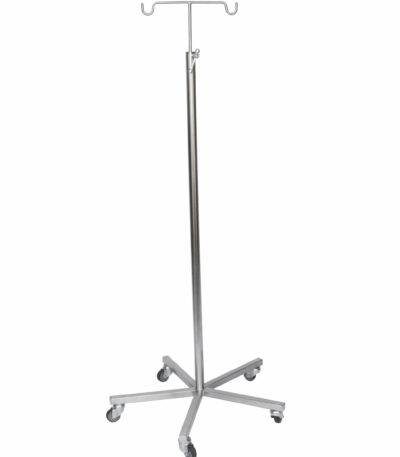
Drip Stand
Original price was: KSh 4,200.00.KSh 4,000.00Current price is: KSh 4,000.00. Order via WhatsApp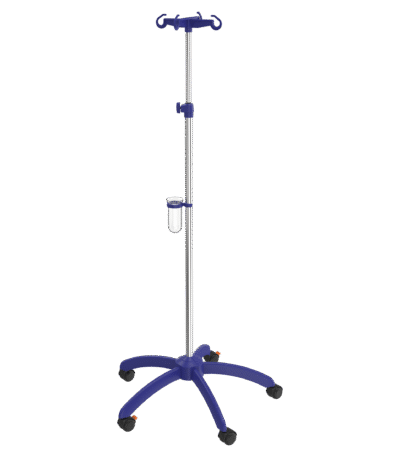
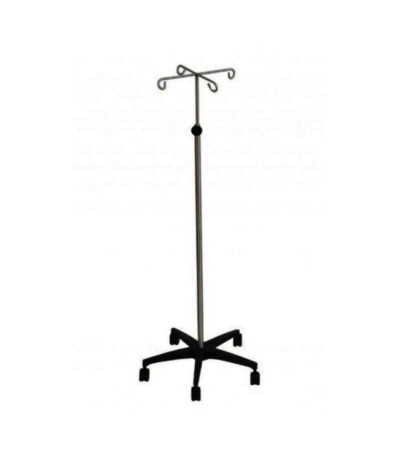
Drip Stand
Original price was: KSh 6,000.00.KSh 4,000.00Current price is: KSh 4,000.00.A typical drip stand consists of a tall adjustable metal pole mounted on a stable base with multiple legs (usually four or five) fitted with castor wheels for mobility. The upper part of the pole has hooks (commonly two to four) where IV fluid bottles or bags are hung. The height of the pole can be adjusted to suit the patient’s bed or sitting position.

Drip Stand
Original price was: KSh 6,500.00.KSh 4,000.00Current price is: KSh 4,000.00.A Drip Stand, also known as an IV Stand or Intravenous Infusion Stand, is a portable vertical support used in hospitals, clinics, and home care settings to hold and suspend IV fluid bags, blood transfusion sets, or medication bottles during patient infusion therapy.
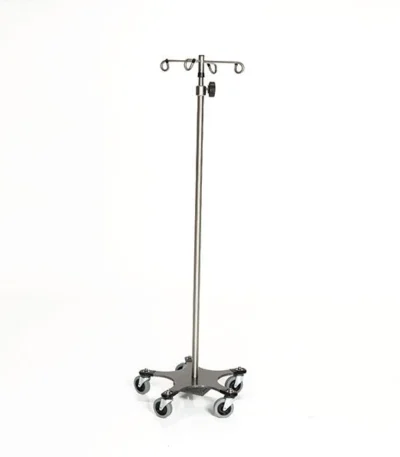
Drip stand
Original price was: KSh 5,500.00.KSh 5,000.00Current price is: KSh 5,000.00.Key features include:
-
Height-adjustable pole to position IV bags at the right level for proper flow.
-
Stable base—usually with 4 or 5 legs—to prevent tipping.
-
Smooth-rolling caster wheels that allow easy movement from one room to another.
-
Multiple hooks for hanging IV bags, infusion sets, or pumps.
-
Durable stainless-steel construction for hygiene and long-lasting use.


