Baby Cots (Hospital Baby Beds)
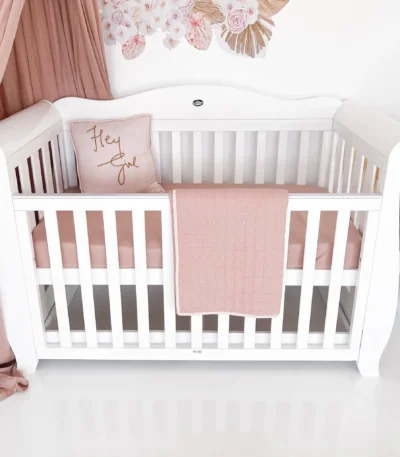
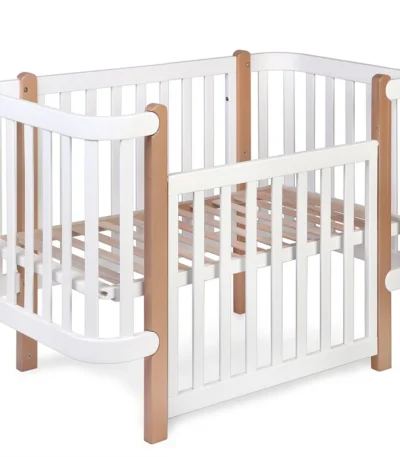
Baby cots are specially designed beds used in hospitals, maternity wards, and homes to safely accommodate newborns and infants. They provide a secure, hygienic, and comfortable environment for babies to rest or sleep. In medical settings, baby cots are often mobile and made with high-quality, easy-to-clean materials that meet healthcare safety standards.
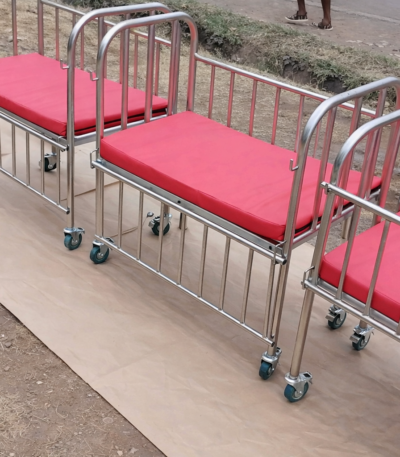
Baby Cought Local
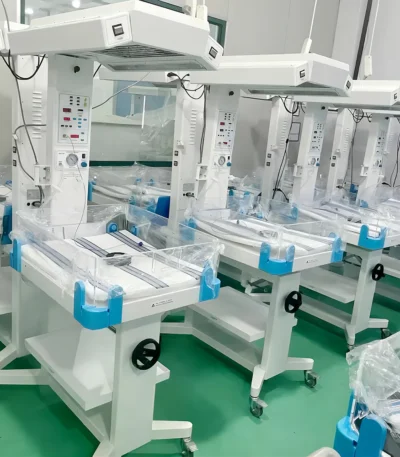
Baby Resuscitaire with Phototherapy
A Baby Resuscitaire with Phototherapy is a specialized neonatal care unit designed to support newborns in their most delicate moments—right from the delivery room. It combines three critical functions in one system: warming, resuscitation, and phototherapy. This makes it an essential tool for hospitals, maternity units, and neonatal care centers where newborn stabilization must be immediate, safe, and effective.
The resuscitaire creates a controlled, warm, and well-lit environment that helps clinicians respond quickly to babies who need assistance breathing, maintaining temperature, or treating jaundice. Its phototherapy function provides gentle but effective blue-light therapy to reduce bilirubin levels, allowing treatment to begin instantly without transferring the baby to another unit.
Everything is designed around supporting the newborn while giving caregivers complete access and control.
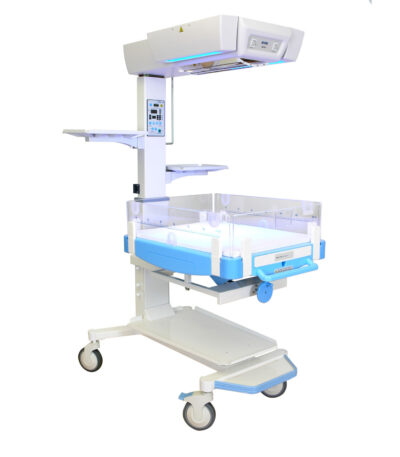
Baby Warmer
The Baby Warmer consists of an overhead radiant heating unit, a baby bed platform, and a control panel with digital temperature display and sensors. It delivers focused radiant heat to maintain the infant’s body temperature within a safe range without direct contact.
Many models include servo-controlled systems, which automatically adjust heat output based on the baby’s skin temperature through a sensor probe, ensuring precision and safety.
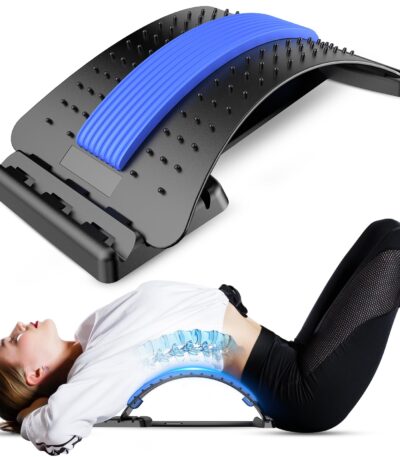
Back Stretcher
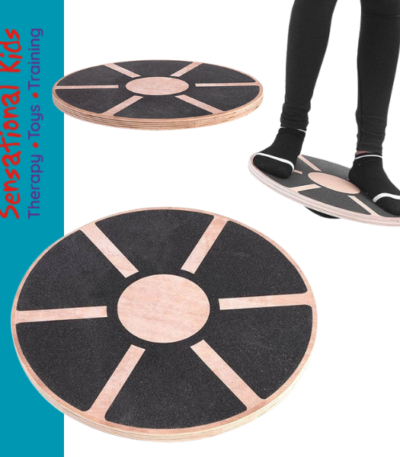
Balance Board
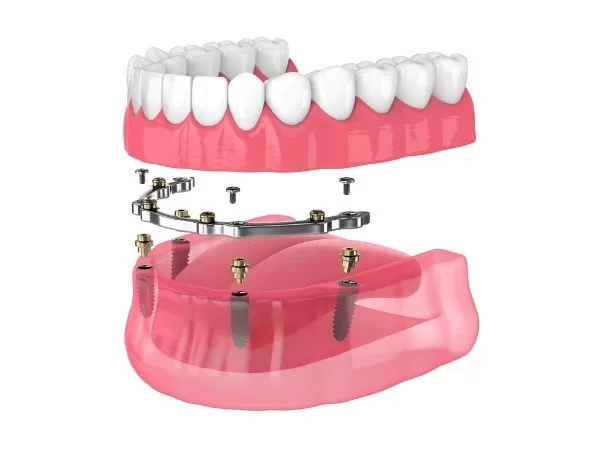
Bar Holder
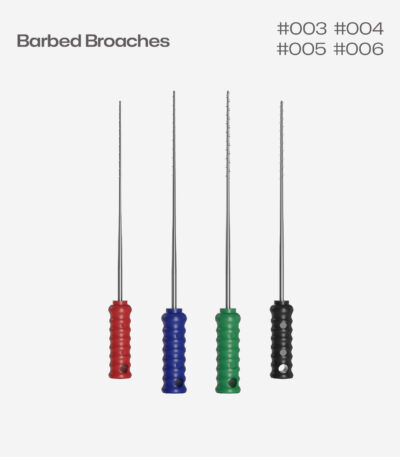
Barbed Broaches
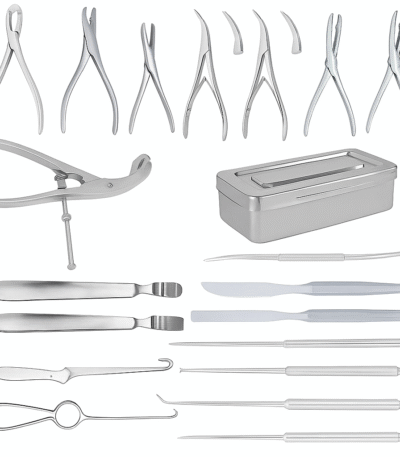
Basic Standard Orthopaedic Set
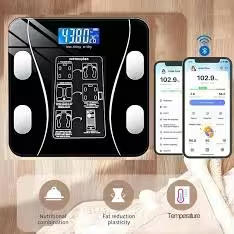
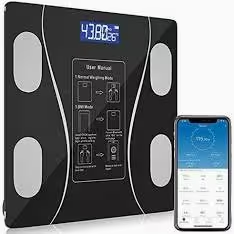
Bathroom Scale Elektro
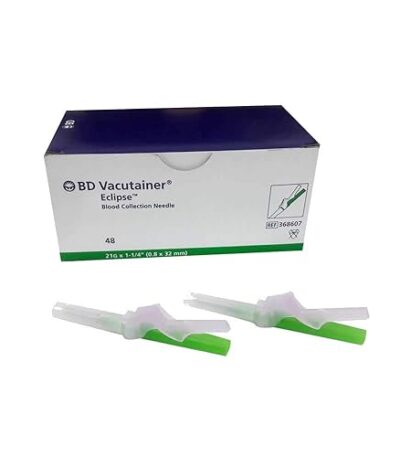
BD Vacutainer Eclipse Blood Collection Needles
Key Features
-
Built-In Safety Shield: Each needle comes with an integrated safety mechanism that can be activated with one hand. Once engaged, the shield locks over the needle, helping to prevent accidental needle-stick injuries.
-
Smooth, Comfortable Insertion: The needles are designed with a refined bevel and a friction-reducing coating, allowing for smoother penetration and reduced discomfort during blood draws.
-
Multi-Sample Capability: These needles work seamlessly with standard Vacutainer holders and allow multiple tubes to be drawn from a single venipuncture.
-
Pre-Attached Holder Option: Some versions arrive with a holder already attached, reducing setup time and minimizing handling.
-
Latex-Free & Sterile: Every needle is sterile and free from latex, ensuring safe use for both patients and practitioners.