



Endotracheal Tube (ET Tube) – All Sizes
It is one of the most essential devices in anesthesia, intensive care, and emergency medicine.

Endotracheal Tube Stylet (Sizes 10, 14, 15)
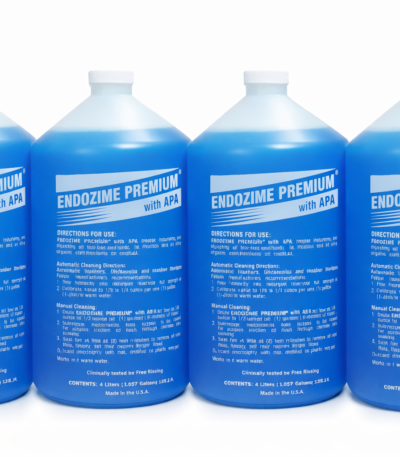
Endozime Premium
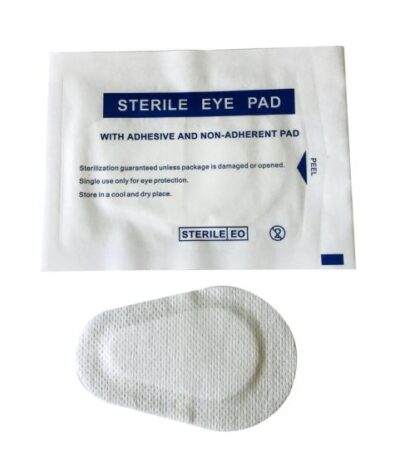
Eye Pad Dressing
-
Purpose & Use
-
Eye pad dressings are sterile, absorbent pads used to cover and protect the eye after injury, surgery, or infection.
-
They shield the eye from dust, light, and accidental contact, while promoting healing.
-
Commonly used after eye surgery, corneal abrasions, or to apply pressure in cases of bleeding or swelling.
-
-
Material & Properties
-
Made of soft, absorbent cotton or gauze.
-
Typically non-adherent to avoid sticking to the wound or eye surface.
-
May have an adhesive strip or be used with tape to hold it in place over the eye.
-
Sterile and individually packaged or folded.
-
-
Size & Packaging
-
Standard size is approx. 5 × 5 cm, suitable for covering one eye.
-
Pack contains 50 pads, ideal for clinics, hospitals, or frequent use.
-
-
Advantages
-
Provides protection from trauma, dust, and infection.
-
Absorbent material manages minor discharge or bleeding.
-
Soft and comfortable for sensitive skin around the eye.
-
Sterile single-use pads reduce cross-contamination.
-
-
Usage Guidelines
-
Wash hands before handling the pad.
-
Place the pad over the affected eye, covering it completely.
-
Secure with medical tape, gauze bandage, or an eye bandage.
-
Replace as advised by a healthcare provider, usually once per dressing change.
-
Dispose of used pads safely to maintain hygiene.
-
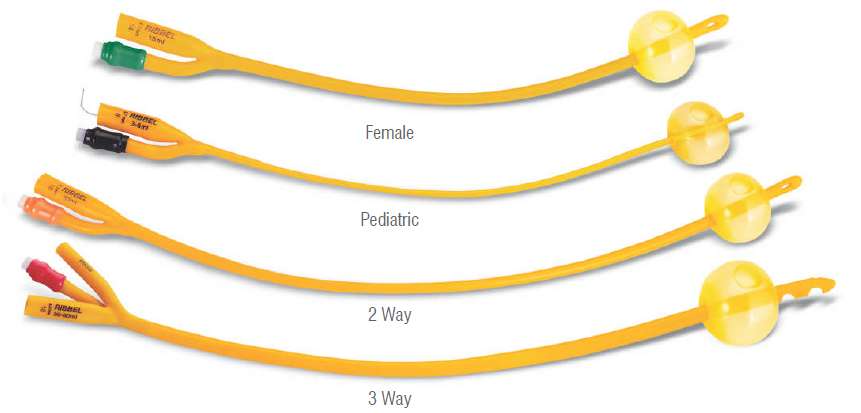
Foley Catheter
-
Material: Commonly made of latex or silicone (silicone for long-term use or latex-sensitive patients).
-
Balloon: Usually 5–30 mL capacity, inflated with sterile water once in the bladder.
-
Sizes: Measured in French (Fr) units. Common adult sizes: 14Fr, 16Fr, 18Fr.
-
Lumens:
-
2-way Foley: For urine drainage + balloon inflation.
-
3-way Foley: For urine drainage, balloon inflation, and irrigation (used especially in urology, e.g., post-TURP).
-
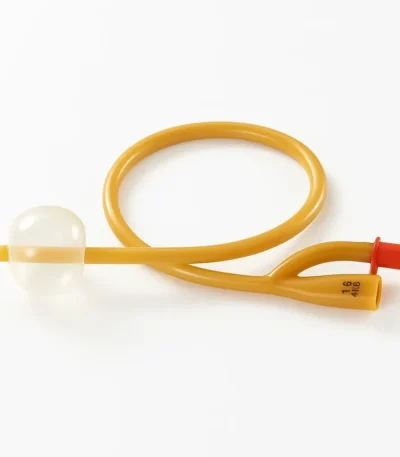
Foley Catheter
Sizes (French, Fr) & Typical Uses
Foley catheters are measured in French (Fr) sizes, which correspond to the outer diameter of the catheter. Common sizes:
| Size (Fr) | Balloon Capacity | Typical Use / Patient Group |
|---|---|---|
| 6–8 Fr | 3 mL | Neonates, small infants |
| 8–10 Fr | 3–5 mL | Pediatrics |
| 12–14 Fr | 5–10 mL | Adult females, average adult use |
| 16–18 Fr | 10 mL | Adult males, thicker urine drainage |
| 20–22 Fr | 10–30 mL | Post-surgery, trauma, heavy drainage |
| 24–28 Fr | 30 mL | Surgical or specialized urology cases |
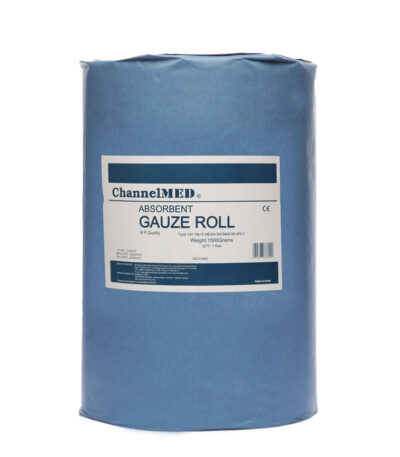
Gauze Roll 1.5kg
Key Features
-
High absorbency
Effectively absorbs blood, exudate, and other fluids from wounds or surgical sites. -
Soft and breathable
Allows air circulation to the wound, promoting faster healing and comfort for the patient. -
Non-sterile / Sterile options
Can be used directly or sterilized according to clinical requirements. -
Large 1.5kg roll
Provides a substantial supply for hospitals, clinics, and large healthcare facilities. -
Durable and strong
Maintains integrity during use, even when wet, making it suitable for wrapping, padding, or securing dressings. -
Easy to cut and shape
Can be tailored to size for wound coverage or surgical application.
Common Uses
-
Dressing and covering wounds
-
Securing bandages and splints
-
Surgical procedures and post-operative care
-
Absorption of fluids in medical settings
-
Padding and cushioning for sensitive areas
Benefits
-
Economical for high-volume use
-
Reliable quality for clinical care
-
Promotes hygiene and patient safety
-
Flexible and easy to use in various medical applications
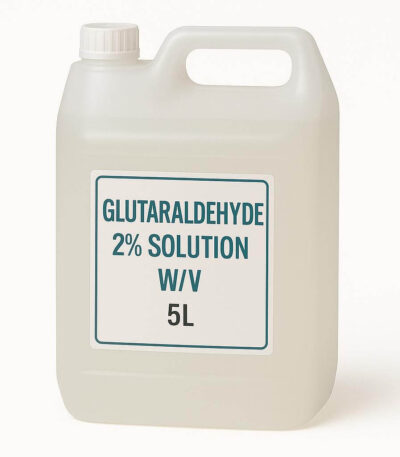
Glutaraldehyde 5L (Cidex)
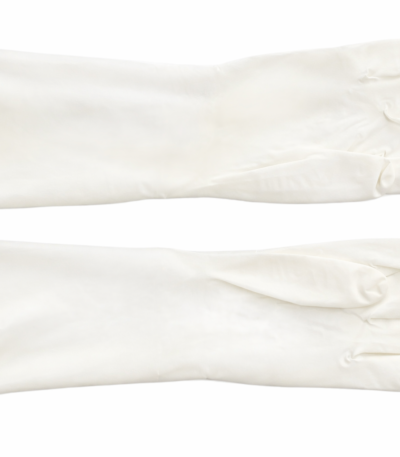
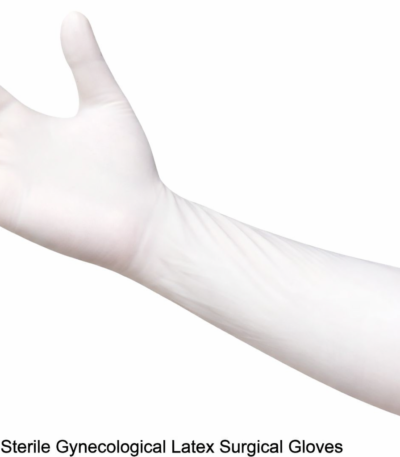
Gynecological Gloves
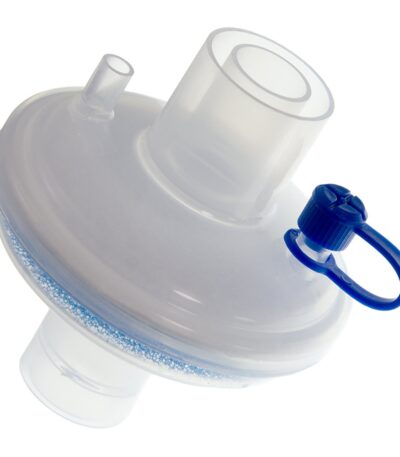
Heat and Moisture Exchanger (HME) Breathing Filters — Adult
-
Purpose & Use
-
An HME filter is a medical device used in respiratory care to humidify and filter inspired air in mechanically ventilated patients or during anesthesia.
-
Protects the patient’s lungs by trapping heat and moisture from exhaled air and returning it to inhaled air, preventing drying of the airways.
-
Also acts as a bacterial/viral filter, reducing the risk of infection.
-
-
Target Patient Population
-
Specifically designed for adult patients with standard adult breathing circuits.
-
Fits standard connectors for adult ventilators, anesthesia machines, or resuscitation bags.
-
-
Structure & Components
-
Outer casing: usually medical-grade plastic, lightweight and transparent in some designs.
-
Filter medium: synthetic or electrostatic material that traps bacteria, viruses, and particles.
-
HME element: absorbs heat and moisture from exhaled air and returns it during inhalation.
-
Standard connectors: usually 22 mm male/female ends compatible with adult breathing circuits.
-
-
Performance
-
Filtration efficiency: high-efficiency bacterial/viral filtration (>99%).
-
Moisture retention: maintains airway humidity comparable to normal physiological conditions.
-
Reduces airway irritation, mucosal drying, and thickened secretions.
-
-
Advantages
-
Combines humidification and filtration in a single device.
-
Lightweight, compact, and easy to attach to ventilator or anesthesia circuits.
-
Disposable, reducing cross-contamination risk.
-
Simple to use without adding extra water reservoirs or external humidifiers.
-
-
Usage Guidelines
-
Typically single-use; replace according to manufacturer instructions or when clogged.
-
Must be securely attached to the breathing circuit to prevent leaks.
-
Monitor for increased resistance, moisture buildup, or contamination during prolonged use.
-
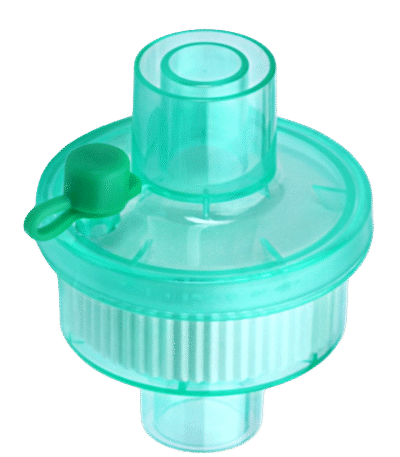
Heat and Moisture Exchanger (HME) Breathing Filters — Paediatric
-
Purpose & Use
-
Paediatric HME filters are designed for children and infants requiring mechanical ventilation or anesthesia.
-
They humidify inhaled air and filter bacteria and viruses, protecting the delicate airways of young patients.
-
Prevent drying of airway mucosa, thickened secretions, and potential lung injury.
-
-
Target Patient Population
-
Specifically sized for paediatric breathing circuits (neonates, infants, and children).
-
Connectors are smaller than adult versions, compatible with paediatric ventilators and resuscitation devices.
-
-
Structure & Components
-
Outer casing: lightweight medical-grade plastic, often transparent.
-
Filter medium: synthetic or electrostatic material for trapping bacteria, viruses, and particles.
-
HME element: captures heat and moisture from exhaled air and returns it during inhalation.
-
Connectors: typically 15 mm male/female to fit paediatric circuits.
-
-
Performance
-
High-efficiency bacterial/viral filtration (>99%).
-
Maintains airway humidity suitable for children.
-
Minimizes airway irritation, prevents mucosal dryness, and reduces thickened secretions.
-
-
Advantages
-
Combines humidification and filtration in a single, compact device.
-
Lightweight and easy to attach to paediatric circuits.
-
Disposable, lowering cross-infection risk.
-
Simple alternative to active humidifiers in short-term ventilation.
-
-
Usage Guidelines
-
Single-use only; replace according to manufacturer guidance or when clogged.
-
Ensure proper attachment to the circuit to prevent leaks.
-
Monitor for increased resistance or moisture accumulation during extended use.
-
-
Common Applications
-
Paediatric ICU ventilation.
-
Anesthesia circuits for children during surgery.
-
Emergency resuscitation with bag-valve-mask systems for infants or children.
-
Any situation requiring humidified and filtered breathing gases for paediatric patients.
-
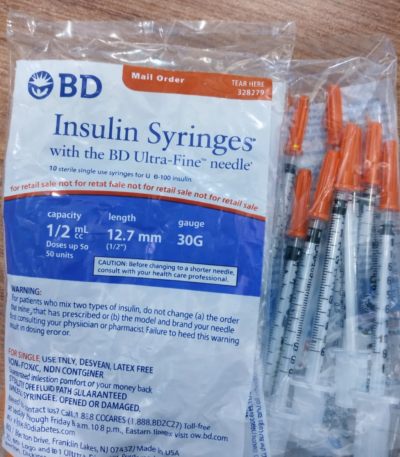
Insulin Syringe 0.5 mL (Pack of 100)
-
Purpose & Use
-
Used primarily for self-administering insulin to manage diabetes.
-
Can also be used for other precise subcutaneous injections where small doses are needed.
-
Designed for accurate dosing in 0.5 mL or 50 units (depending on the markings).
-
-
Structure & Components
-
Barrel: transparent plastic, usually polypropylene, with clear, easy-to-read measurement markings.
-
Plunger: smooth-moving, usually made of plastic or rubber tip, ensures accurate dosing.
-
Needle: very fine gauge, typically 28–31G, designed to reduce pain.
-
Needle length: usually 8–12 mm, appropriate for subcutaneous injection.
-
Often pre-attached and sterile, ready for single use.
-
-
Packaging
-
Sold in packs of 100 syringes, individually wrapped to maintain sterility.
-
Convenient for clinics, hospitals, or personal use for daily insulin injections.
-
-
Safety & Quality
-
Single-use only to prevent infections or cross-contamination.
-
Designed with sharp, thin needles to minimize discomfort.
-
Some syringes include safety features such as needle covers to prevent accidental sticks.
-
-
Material & Disposal
-
Made from medical-grade, sterile plastics.
-
Biodegradable components are limited; proper disposal in sharps containers is required.
-
-
Accuracy & Comfort
-
Fine gradations ensure precise dosing, which is crucial for diabetes management.
-
Thin, short needles reduce pain and tissue trauma during injections.
-
-
Usage Guidelines
-
Used once and then safely disposed of in a sharps container.
-
Keep syringes sterile until use to prevent contamination.
-
Handle carefully to avoid needle sticks.
-


