

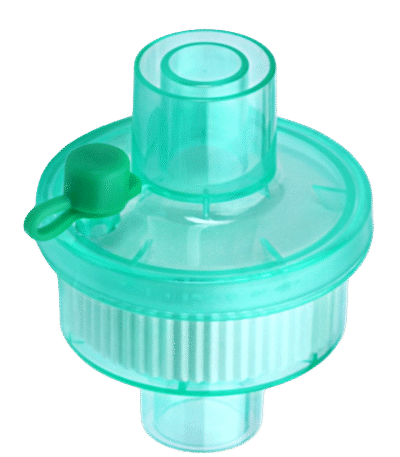
Heat and Moisture Exchanger (HME) Breathing Filters — Paediatric
-
Purpose & Use
-
Paediatric HME filters are designed for children and infants requiring mechanical ventilation or anesthesia.
-
They humidify inhaled air and filter bacteria and viruses, protecting the delicate airways of young patients.
-
Prevent drying of airway mucosa, thickened secretions, and potential lung injury.
-
-
Target Patient Population
-
Specifically sized for paediatric breathing circuits (neonates, infants, and children).
-
Connectors are smaller than adult versions, compatible with paediatric ventilators and resuscitation devices.
-
-
Structure & Components
-
Outer casing: lightweight medical-grade plastic, often transparent.
-
Filter medium: synthetic or electrostatic material for trapping bacteria, viruses, and particles.
-
HME element: captures heat and moisture from exhaled air and returns it during inhalation.
-
Connectors: typically 15 mm male/female to fit paediatric circuits.
-
-
Performance
-
High-efficiency bacterial/viral filtration (>99%).
-
Maintains airway humidity suitable for children.
-
Minimizes airway irritation, prevents mucosal dryness, and reduces thickened secretions.
-
-
Advantages
-
Combines humidification and filtration in a single, compact device.
-
Lightweight and easy to attach to paediatric circuits.
-
Disposable, lowering cross-infection risk.
-
Simple alternative to active humidifiers in short-term ventilation.
-
-
Usage Guidelines
-
Single-use only; replace according to manufacturer guidance or when clogged.
-
Ensure proper attachment to the circuit to prevent leaks.
-
Monitor for increased resistance or moisture accumulation during extended use.
-
-
Common Applications
-
Paediatric ICU ventilation.
-
Anesthesia circuits for children during surgery.
-
Emergency resuscitation with bag-valve-mask systems for infants or children.
-
Any situation requiring humidified and filtered breathing gases for paediatric patients.
-
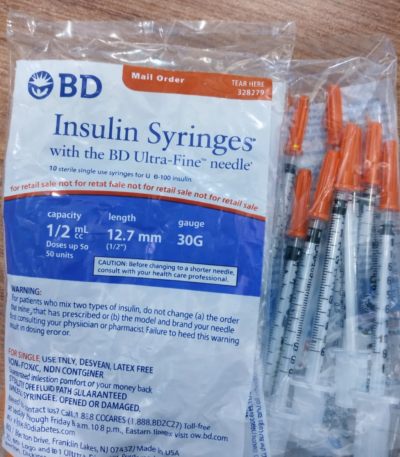
Insulin Syringe 0.5 mL (Pack of 100)
-
Purpose & Use
-
Used primarily for self-administering insulin to manage diabetes.
-
Can also be used for other precise subcutaneous injections where small doses are needed.
-
Designed for accurate dosing in 0.5 mL or 50 units (depending on the markings).
-
-
Structure & Components
-
Barrel: transparent plastic, usually polypropylene, with clear, easy-to-read measurement markings.
-
Plunger: smooth-moving, usually made of plastic or rubber tip, ensures accurate dosing.
-
Needle: very fine gauge, typically 28–31G, designed to reduce pain.
-
Needle length: usually 8–12 mm, appropriate for subcutaneous injection.
-
Often pre-attached and sterile, ready for single use.
-
-
Packaging
-
Sold in packs of 100 syringes, individually wrapped to maintain sterility.
-
Convenient for clinics, hospitals, or personal use for daily insulin injections.
-
-
Safety & Quality
-
Single-use only to prevent infections or cross-contamination.
-
Designed with sharp, thin needles to minimize discomfort.
-
Some syringes include safety features such as needle covers to prevent accidental sticks.
-
-
Material & Disposal
-
Made from medical-grade, sterile plastics.
-
Biodegradable components are limited; proper disposal in sharps containers is required.
-
-
Accuracy & Comfort
-
Fine gradations ensure precise dosing, which is crucial for diabetes management.
-
Thin, short needles reduce pain and tissue trauma during injections.
-
-
Usage Guidelines
-
Used once and then safely disposed of in a sharps container.
-
Keep syringes sterile until use to prevent contamination.
-
Handle carefully to avoid needle sticks.
-
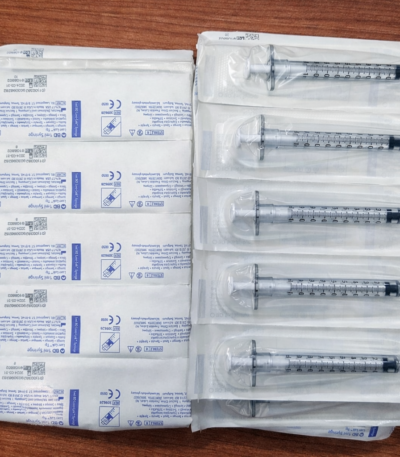
Insulin Syringe 1 mL (Pack of 100)
-
Purpose & Use
-
Used primarily for self-administering insulin to manage diabetes.
-
Also suitable for other subcutaneous injections that require larger doses up to 1 mL.
-
Allows for precise dosing for insulin or other medications.
-
-
Structure & Components
-
Barrel: transparent plastic (usually polypropylene) with clear graduated markings for accurate measurement.
-
Plunger: smooth-moving, often with a rubber tip for a tight seal, enabling precise dosage control.
-
Needle: very fine gauge (usually 28–31G) to minimize pain.
-
Needle length: typically 8–12 mm, optimized for subcutaneous injections.
-
Syringes are pre-attached with sterile needles, ready for single-use.
-
-
Packaging
-
Sold in packs of 100 syringes, individually wrapped to ensure sterility.
-
Convenient for clinics, hospitals, and personal use for frequent injections.
-
-
Safety & Quality
-
Single-use only to prevent infection or cross-contamination.
-
Fine, sharp needles reduce discomfort and tissue trauma.
-
Some models may include safety features, such as protective needle caps, to prevent accidental pricks.
-
-
Material & Disposal
-
Made of medical-grade, sterile plastics.
-
Proper disposal in sharps containers is necessary due to needle components.
-
-
Accuracy & Comfort
-
Clear graduations ensure precise dosing, important for diabetes management.
-
Thin, short needles reduce injection pain and tissue damage.
-
-
Usage Guidelines
-
Keep syringes sterile until use.
-
Use once and then dispose safely in a sharps container.
-
Handle carefully to avoid needle sticks.
-
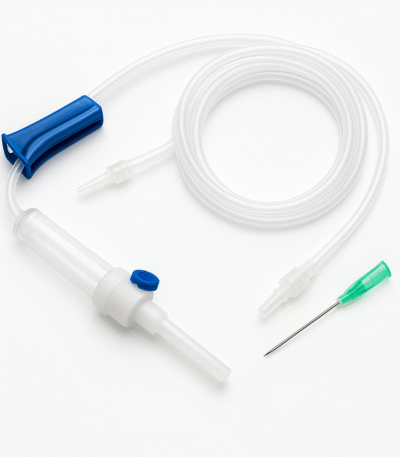
IV Giving Set Fluids 25s
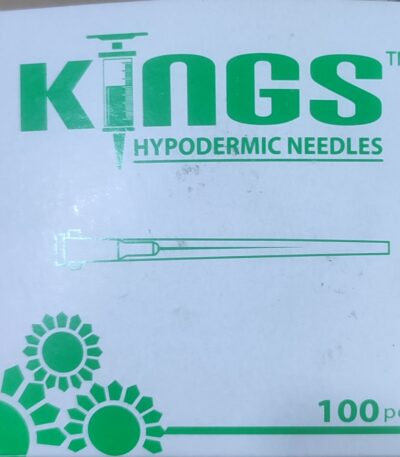
Kings Hypodermic Needles
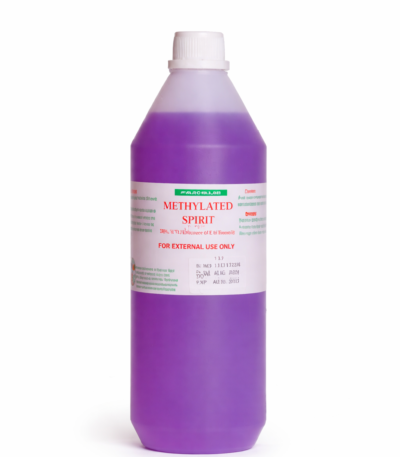
Methylated Spirit 5 Litre
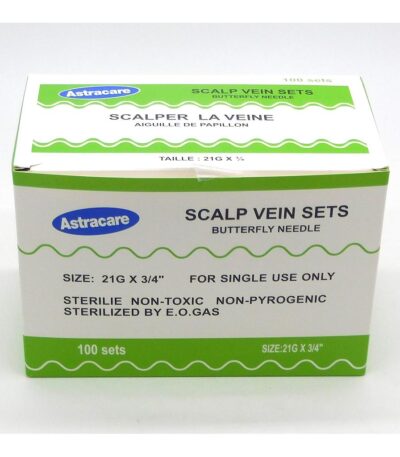
Needles G21 – Box of 100
Key Features
-
21-gauge size
Slightly larger diameter than G22 or G23, allowing quicker aspiration or injection of fluids. -
Sterile & disposable
Each needle is individually sealed to maintain sterility and prevent cross-contamination. -
Luer lock or luer slip compatible
Designed to fit standard syringes used in medical practice. -
Medical-grade stainless steel
Ensures strength, durability, and a sharp, smooth bevel for easy penetration. -
Color-coded hub
The G21 needle hub is typically green, helping clinicians identify the gauge quickly. -
Beveled tip design
Reduces insertion force and enhances patient comfort.
Common Uses
-
Drawing blood (phlebotomy)
-
Intramuscular injections
-
Rapid medication withdrawal from vials
-
Transferring or aspirating fluids
-
Preparing IV lines or equipment (depending on protocol)
Benefits
-
Fast fluid transfer due to wider diameter
-
Consistent, sharp, high-quality needle performance
-
Convenient bulk pack ideal for high-volume facilities
-
Safe and hygienic single-use design
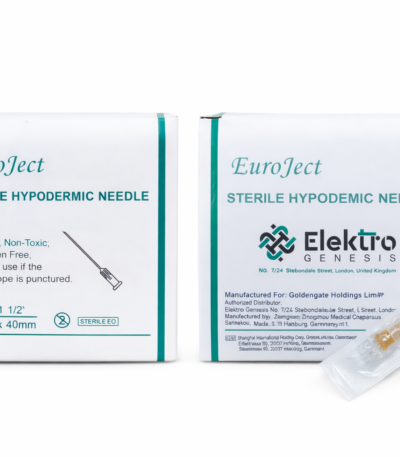
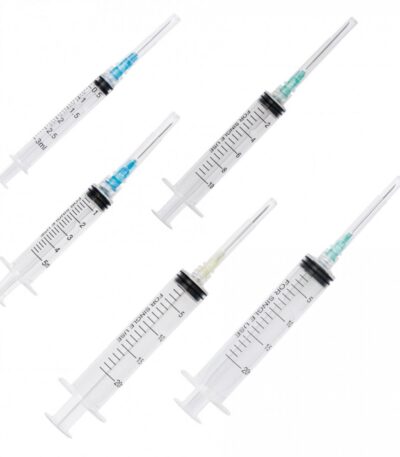
Needles G21 – Box of 100 pcs
Needles G23 – Box of 100
Key Features
-
23-gauge size
Medium-sized needle, offering a balance between patient comfort and efficient fluid flow. -
Sterile & single-use
Each needle is individually sealed to maintain sterility and prevent contamination. -
Luer lock / luer slip compatibility
Fits standard syringes depending on the design, making it widely adaptable in medical settings. -
Stainless steel construction
Made from high-quality medical-grade stainless steel for strength, sharpness, and smooth penetration. -
Color-coded hub
The G23 needle hub is typically blue, making identification easy during clinical use. -
Beveled, sharp tip
Designed for smooth, low-pain insertion.
Common Uses
-
Intramuscular injections
-
Subcutaneous injections
-
Drawing blood
-
Administering vaccines
-
IV line preparation (depending on protocol)
-
General clinical and laboratory use
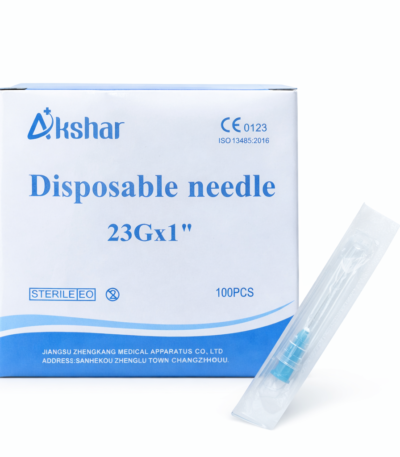
Needles G23 – Box of 100 pcs
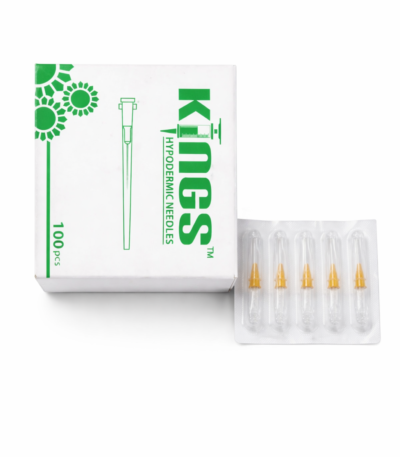
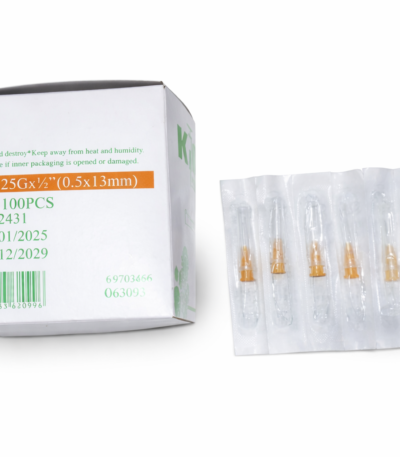
Needles G25 – Box of 100 pcs
Key Features
-
25-gauge size
A thin needle designed to minimize discomfort while still allowing efficient delivery of medication. -
Sterile & disposable
Each needle is individually packaged to ensure hygiene and prevent contamination. -
Luer slip / luer lock compatible
Designed to fit standard syringes used in medical practice. -
High-quality stainless steel
Ensures strength, sharpness, and safe penetration without bending. -
Color-coded hub
G25 needles typically have an orange hub for quick identification. -
Beveled, ultra-sharp tip
Reduces penetration force and enhances patient comfort.
Common Uses
-
Subcutaneous injections
-
Intradermal injections
-
Certain intramuscular injections for small-volume doses
-
Vaccinations (depending on protocol)
-
Insulin, heparin, and hormone injections (when not using pen needles)
-
Drawing small volumes of medication from vials
Benefits
-
Reduced pain and tissue trauma
-
Ideal for pediatric or sensitive patients
-
Reliable and consistent performance
-
Hygienic, safe, and convenient in a bulk box of 100
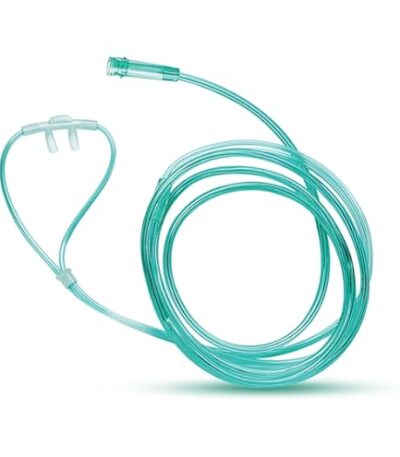
Neonate Oxygen Nasal Prong
Key Features
-
Ultra-small nasal prongs
Tiny, soft prongs fit snugly into a newborn’s nostrils without causing trauma or pressure. -
Extremely soft tubing
Made from very flexible, medical-grade PVC or silicone to prevent skin breakdown around the cheeks and ears. -
Lightweight and gentle design
Designed to rest comfortably without adding pressure to the face; often secured with soft tapes rather than elastic straps to protect fragile skin. -
Kink-resistant oxygen tubing
Ensures a continuous flow of oxygen even when the baby moves. -
Standard oxygen connector
Attaches to neonatal oxygen flowmeters and concentrators used in NICUs, delivery rooms, and nurseries.
How It Works
Oxygen flows from the supply source through the tubing and exits through the tiny prongs into the infant’s nostrils. The newborn inhales the enriched air naturally with each breath, making it suitable for babies who can breathe spontaneously but require oxygen support.
Typical Flow Rates
-
Usually 0.1 to 2 liters per minute, depending on neonatal guidelines
-
Provides gentle oxygen delivery suitable for sensitive lungs
Common Uses
-
Premature infants with immature lungs
-
Neonatal respiratory distress
-
Mild hypoxia
-
Post-delivery stabilization
-
Oxygen support in NICUs and neonatal wards
-
Conditions such as TTN (transient tachypnea of the newborn)


