

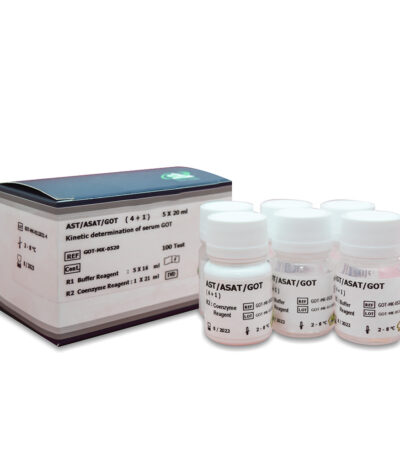
Biotech: ASAT / AST / SGOT Reagents — Clinical Chemistry / Semi-Automated Systems-biochemistry
🔬 1. IFCC Kinetic Method (Standard AST Method)
Primary Reaction (AST enzyme reaction)
L-Aspartate + α-Ketoglutarate
→ Oxaloacetate + L-Glutamate
Indicator (Coupled) Reaction
Oxaloacetate + NADH + H⁺
→ Malate + NAD⁺
(catalyzed by MDH)
LDH is often included to convert pyruvate → lactate, preventing inhibition.
As AST activity increases, NADH decreases, causing a fall in absorbance at 340 nm.
Measurement
-
Wavelength: 340 nm
-
Mode: Kinetic (rate), ΔA/min
-
Rate proportional to AST activity (U/L)
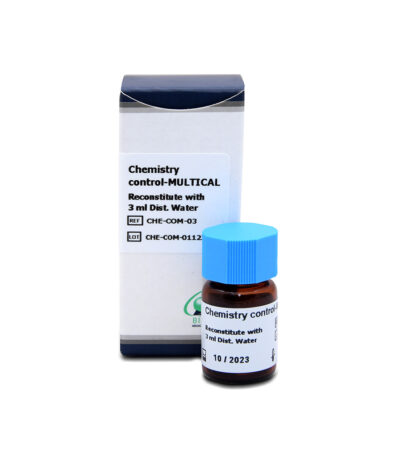
Biotech: Biochemistry Reagents
1. Diagnostic Purpose
Biochemistry reagents are designed to quantitatively measure analytes such as:
-
Liver function markers (ALT, AST, ALP, GGT, Bilirubin, Total Protein)
-
Renal function markers (Urea, Creatinine, Uric Acid)
-
Electrolytes (Sodium, Potassium, Chloride—depending on analyzer type)
-
Lipid profile (Cholesterol, Triglycerides, HDL, LDL)
-
Glucose metabolism (Glucose, HbA1c kits depending on system)
-
Enzymes and substrates (LDH, CK, Amylase, Lipase)
2. Types of Formulations
Biochemistry reagents may come in:
-
Single-reagent systems
(One ready-to-use bottle) -
Two-reagent systems
(R1 buffer + R2 starter/working reagent) -
Lyophilized reagents
(Require reconstitution) -
Liquid-stable reagents
(Long shelf-life, preferred for automated analyzers)
3. Compatibility
Designed for:
-
Fully automated clinical chemistry analyzers
-
Semi-automated bench-top analyzers
-
Point-of-care analyzers (specific formats)
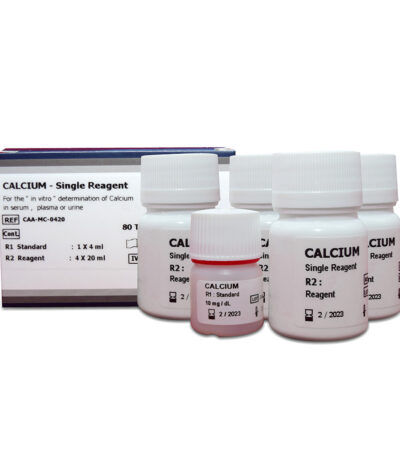
Biotech: Calcium Reagents-biochemistry
Principle of Measurement
1. Arsenazo III Method (Most widely used in modern analyzers)
How it works:
-
Calcium ions react with Arsenazo III dye to form a blue-purple complex.
-
The intensity of the color is measured photometrically at 650–660 nm.
-
Highly specific for calcium with minimal interference from magnesium.
Advantages:
-
Excellent stability
-
Strong absorbance
-
High specificity and precision
2. o-Cresolphthalein Complexone (OCPC) Method
How it works:
-
Calcium forms a purple-red complex with o-cresolphthalein complexone in alkaline conditions.
-
Read photometrically at 570–580 nm.
-
Common in semi-auto chemistry analyzers.
Advantages:
-
Reliable and widely established
-
Suitable for manual and automated systems
Reagent Components
Arsenazo III Reagents May Contain:
-
Arsenazo III dye
-
Buffer (MES or other suitable buffers)
-
Stabilizers
-
Surfactants
-
Preservatives
OCPC Reagents May Contain:
-
o-Cresolphthalein complexone
-
Alkaline buffer (e.g., 8-hydroxyquinoline to remove magnesium interference)
-
Dye stabilizer
-
Surfactants
-
Preservatives
Packaging Format
-
Single liquid reagent (most common)
-
Two-reagent system (R1 + R2)
-
Ready-to-use liquid stable bottles
-
Analyzer-specific reagent cartridges
Common volumes: 25 ml, 50 ml, 100 ml, 250 ml or more.
Sample Types
-
Serum
-
Plasma (heparinized samples preferred)
-
Urine (dilution may be needed)
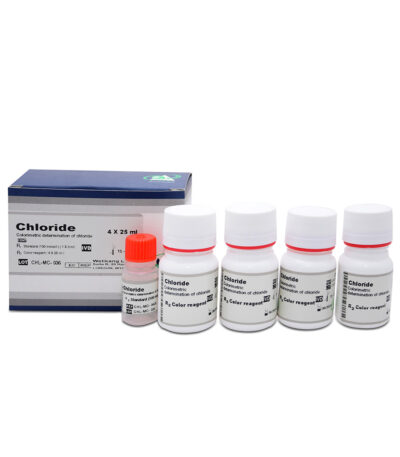
Biotech: Chloride Reagents-biochemistry
Measurement Methods & Reagents
1. Ion-Selective Electrode (ISE) Method (Most common in modern analyzers)
Reagents include:
-
Reference (internal standard) solution
-
Electrode electrolyte solution
-
Conditioning solution
-
Cleaning solution
-
Calibrators (Low and High Chloride)
Principle:
A chloride-selective membrane develops an electrical potential proportional to chloride concentration.
ISE systems require stable calibration solutions and maintenance reagents.
2. Mercuric Thiocyanate Colorimetric Method
How it works:
-
Chloride reacts with mercuric ions, forming mercuric chloride.
-
Released thiocyanate ions form a red-colored complex with ferric ions.
-
The color intensity is measured photometrically at 480–520 nm.
Reagents contain:
-
Mercuric thiocyanate
-
Ferric nitrate or ferric ammonium sulfate
-
Buffer system
-
Surfactants and stabilizers
Advantages:
-
Reliable for automated chemistry analyzers
-
High precision
3. Colorimetric TPTZ Method (Less common)
Chloride displaces iron from a complex; the released iron reacts with TPTZ dye to form a measurable color.
Packaging Formats
-
Single-liquid reagent
-
Two-reagent kits (R1 buffer + R2 color reagent)
-
ISE-specific reagent packs
-
Ready-to-use liquid stable formulations
Typical volumes: 25 ml, 50 ml, 100 ml, 250 ml.
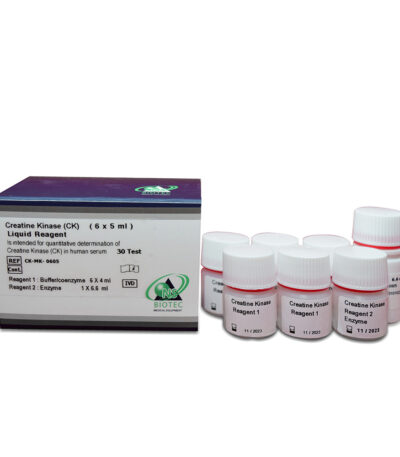
Biotech: Creatinine Reagents
1. Jaffe Method (Most Common)
-
Based on the reaction between creatinine and picric acid in an alkaline medium.
-
Produces an orange-red complex.
-
Absorbance is measured photometrically, usually at 505–520 nm.
-
Some kits include compensated Jaffe formulations to reduce interference from glucose, ketones, and proteins.
2. Enzymatic Method
-
Uses a sequence of enzyme reactions (creatininase, creatinase, sarcosine oxidase, peroxidase).
-
Produces a colored dye measurable at 550–570 nm.
-
Higher specificity than Jaffe, minimal interference.
Reagent Components
Depending on the method, creatinine reagent kits may include:
For Jaffe Method
-
Alkaline buffer
-
Picric acid
-
Stabilizers
-
Surfactants
-
Preservatives
For Enzymatic Method
-
Enzyme mixture (creatininase, creatinase, sarcosine oxidase)
-
Chromogenic dye reagents
-
Phosphate or Good’s buffer
-
Activators
-
Preservatives
Packaging Format
Most creatinine reagent kits are provided as:
-
Two-reagent system (R1 buffer + R2 working reagent)
-
Ready-to-use liquid formulations
-
Optional standards or calibrators
Common sizes: 25 ml, 50 ml, 100 ml, 250 ml, or analyzer-specific cartridges.
Sample Type
-
Serum
-
Plasma (heparin, EDTA)
-
Urine (often diluted before analysis)
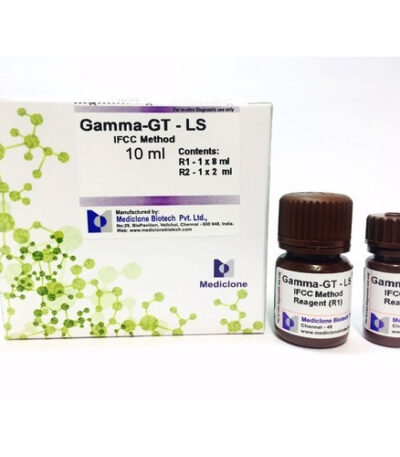
Biotech: GGT / Gamma GT Reagent-biochemistry
Principle of the Test
Most GGT reagents use the Szasz kinetic method, which involves:
-
Substrate:
γ-glutamyl-p-nitroanilide
This compound contains a gamma-glutamyl group. -
Enzymatic Reaction:
GGT in the sample transfers the gamma-glutamyl group to an acceptor (often glycylglycine). -
Product Formation:
The reaction releases p-nitroaniline, which has a strong yellow color. -
Measurement:
The analyzer measures the increase in absorbance at 405 nm.
The rate of color formation is directly proportional to the GGT activity.
Key Reagent Components
The GGT reagent typically contains:
✔ γ-glutamyl-p-nitroanilide
The chromogenic substrate used in the Szasz method.
✔ Glycylglycine (or similar acceptor)
Accepts the gamma-glutamyl group during the reaction.
✔ Buffers
Maintain optimal pH (usually alkaline, around pH 8.2–8.4).
✔ Stabilizers & Preservatives
Ensure reagent stability and long shelf life.
✔ Detergents / Surfactants
Help maintain reagent clarity and enhance reaction performance.
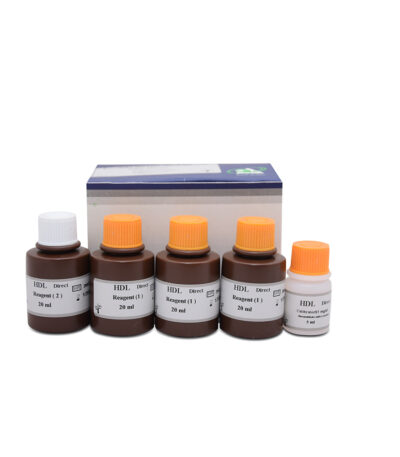
Biotech: High-Density Lipoprotein (HDL) biochemistry
Features / Components
Depending on the method (commonly direct enzymatic method), HDL reagent typically contains:
1. Detergents / Selective Chemicals
-
These selectively mask or inactivate non-HDL lipoproteins (VLDL, LDL, chylomicrons), allowing accurate measurement of HDL only.
2. Enzymes
-
Cholesterol esterase (CHE): Converts HDL-cholesterol esters into free cholesterol.
-
Cholesterol oxidase (CHOD): Converts free cholesterol into cholest-4-en-3-one and hydrogen peroxide.
-
Peroxidase (POD): Reacts with hydrogen peroxide to form a measurable colored compound.
3. Chromogenic Substrates
-
Color-forming agents (e.g., 4-Aminoantipyrine) produce a detectable color reaction measured photometrically.
4. Buffers
-
Maintain optimal pH for enzyme activity.
5. Stabilizers & Preservatives
-
Ensure long shelf life and consistent performance.
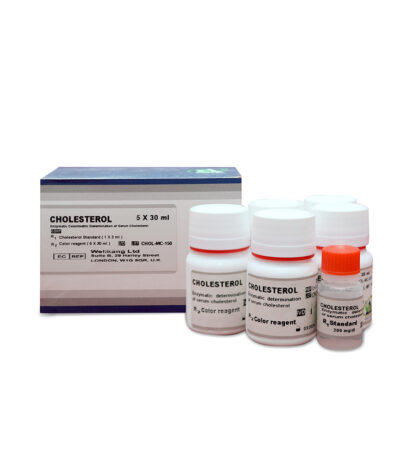
Biotech: High-Density Lipoprotein cholesterol reagent-biochemistry
🔬 HDL Chemistry Reagents (Clinical Chemistry / Lipid Panel)
HDL reagents are used to quantify High-Density Lipoprotein cholesterol in serum or plasma as part of a lipid profile. In semi-automated systems (bench-top analyzers, open systems, manual/semi-auto photometric readers), the reagents must be:
-
Stable at 2–8°C
-
Compatible with open-channel analyzers
-
Ready-to-use or with simple reconstitution
-
Optimized for endpoint or two-reagent homogeneous methods
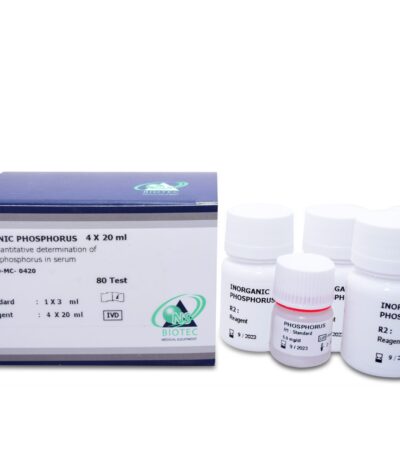
Biotech: Phosphorus Reagents-biochemistry
Principle of Measurement
1. UV Phosphomolybdate Method (Most modern analyzers)
How it works:
-
Inorganic phosphate reacts with ammonium molybdate in an acidic medium.
-
Forms a phosphomolybdate complex.
-
The complex is measured photometrically in the UV range (usually 340 nm).
-
The absorbance is directly proportional to phosphate concentration.
Advantages:
-
Fast and highly specific
-
Suitable for fully automated analyzers
-
Minimal interference
2. Reduced Phosphomolybdate Method (Colorimetric)
How it works:
-
Phosphomolybdate complex is formed.
-
The complex is reduced to a blue-colored compound (“molybdenum blue”).
-
Measured at 600–700 nm, depending on dye.
Advantages:
-
Strong color intensity
-
Stable reaction for manual or semi-automatic systems
Reagent Components
Phosphorus reagent kits typically include:
R1 (Acid/Molybdate reagent)
-
Ammonium molybdate
-
Sulfuric acid or perchloric acid
-
Stabilizers
-
Surfactants
-
Preservatives
R2 (Reducing reagent) (if applicable)
-
Reducing agents (e.g., ascorbic acid, stannous chloride)
-
Dye stabilizers
Some kits are single-reagent formulations.
Packaging Formats
-
Liquid-stable ready-to-use reagents
-
Two-reagent systems (R1 + R2)
-
Analyzer-specific cartridges
-
Optional calibrators and controls
Common volumes: 25 ml, 50 ml, 100 ml, 250 ml.
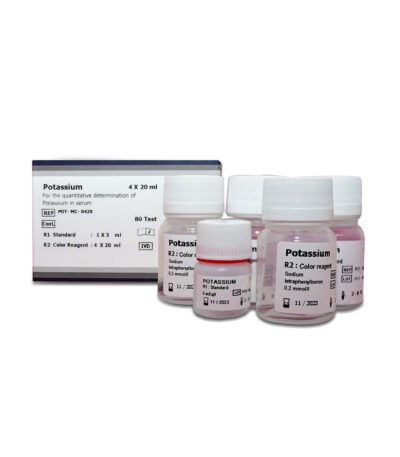
Biotech: Potassium Reagents-biochemistry
Measurement Methods & Corresponding Reagents
1. Ion-Selective Electrode (ISE) Method (Most common in modern analyzers)
Reagents include:
-
Internal standard (reference solution)
-
Electrolyte solution for K⁺ electrode balance
-
Conditioning solution
-
Electrode cleaning solution
-
Calibrators (Low & High K⁺)
Principle:
Potassium-selective membranes generate an electrical potential when exposed to K⁺ ions.
The potential difference is proportional to potassium concentration.
ISE is fast, accurate, and ideal for automated analyzers.
2. Turbidimetric/Colorimetric Tetraphenylboron Method
How it works:
-
Potassium reacts with sodium tetraphenylboron.
-
Forms a turbid or cloudy precipitate.
-
The degree of turbidity is measured photometrically at 510–550 nm.
-
Intensity correlates with potassium concentration.
Reagents contain:
-
Sodium tetraphenylboron
-
Buffer solution
-
Surfactants
-
Stabilizers
-
Preservatives
Used in: Semi-auto analyzers and manual systems.
Packaging Formats
-
Single-liquid reagent bottles
-
Multi-solution electrolyte packs (for ISE analyzers)
-
Ready-to-use liquid stable reagents
-
Analyzer-specific cartridges
Typical sizes: 25 ml, 50 ml, 100 ml, 250 ml.
Sample Types
-
Serum
-
Plasma
-
Urine (may require dilution)
-
Whole blood (in ISE/blood gas analyzers)
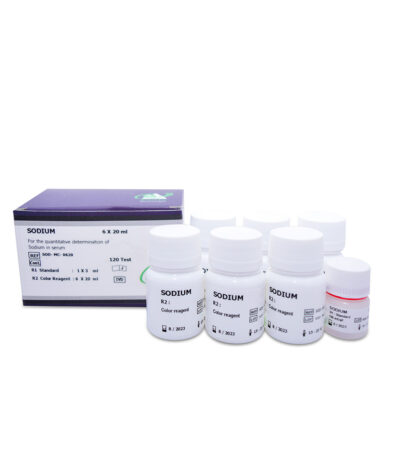
Biotech: Sodium Reagents-biochemistry
1. Ion-Selective Electrode (ISE) Method
Most modern chemistry analyzers use ISE for sodium.
Reagents include:
-
Reference solution / Internal standard
-
Electrolyte solution for electrode stability
-
Conditioning solution
-
Cleaning solution
-
Calibration solutions (Low & High Na⁺ standards)
Principle:
The sodium ISE membrane selectively binds Na⁺ ions, generating an electrical potential proportional to sodium concentration. Calibration solutions are crucial for accuracy.
2. Flame Photometry Method
Older or standalone electrolyte analyzers may use flame photometry.
Reagents include:
-
Diluent
-
Standard sodium solution
-
Internal lithium standard (in some systems)
-
Cleaning solutions
Principle:
Sodium emits light at a characteristic wavelength (589 nm) when introduced into a flame. The emitted intensity is proportional to concentration.
3. Colorimetric (Photometric) Method
Used in some semi-automatic chemistry analyzers when ISE is not available.
Reagents include:
-
Ionophore-based chromogenic reagents
-
Buffer solution
-
Color-forming indicator dye
-
Stabilizers and preservatives
Principle:
Sodium ions react with a specific ionophore dye to produce a measurable color change.
Reagent Format
Sodium reagent kits may include:
-
Single bottle (for colorimetric systems)
-
Multi-solution packs (ISE systems)
-
Standards in sealed ampoules or bottles
-
Ready-to-use liquid formulations
Sample Types
-
Serum
-
Plasma
-
Urine (diluted appropriately)
-
Whole blood (in ISE blood gas analyzers)
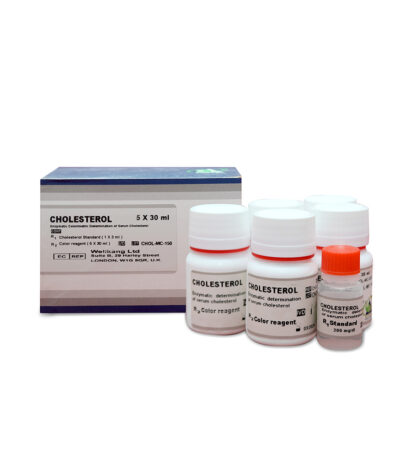
Biotech: Total Cholesterol Reagents-biochemistry
🔬 1. CHOD-PAP Method (Gold Standard)
Principle
-
Cholesterol esterase converts cholesterol esters → free cholesterol
-
Cholesterol oxidase converts cholesterol → cholest-4-en-3-one + H₂O₂
-
Peroxidase (POD) uses H₂O₂ to produce a colored dye
-
Common chromogens: 4-AAP, TOOS, DAOS, HDAOS
-
Absorbance: measured at 500–550 nm depending on chromogen.
What the Reagents Contain
R1 (Buffer / Chromogen)
-
Good’s buffer (e.g., PIPES, TES)
-
Phenol or TOOS/DAOS derivatives
-
Stabilizers & surfactants
-
Preservatives
R2 (Enzyme Reagent)
-
Cholesterol esterase
-
Cholesterol oxidase
-
Peroxidase
-
Additional surfactants


