Filter by price
Stock status
Showing 277–288 of 1124 results
Cotton Roll
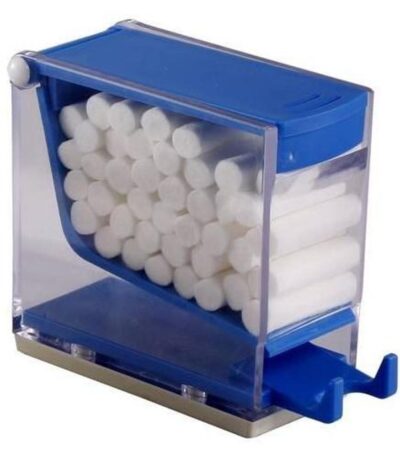
Cotton Rolls are soft, absorbent rolls made of 100% pure cotton, used in dental procedures to absorb saliva and moisture, maintaining a dry working field. They are gentle on oral tissues and provide comfort to the patient during treatment.
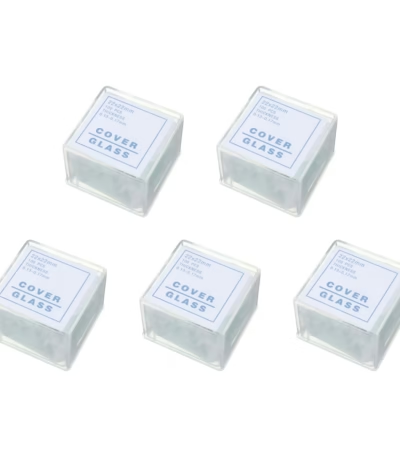
Coverslips
A coverslip is a small square or rectangular sheet—usually 0.13–0.17 mm thick—that is placed over a specimen on a microscope slide to flatten it, protect it, and improve image quality during microscopic examination.
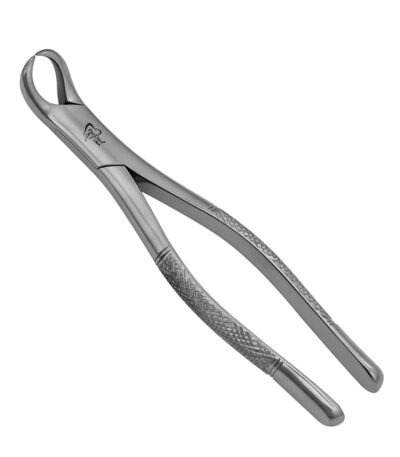
Cowhorn Forceps (Extraction Forceps)
Cowhorn Forceps are specialized dental extraction instruments designed for removing mandibular molars, particularly those with intact bifurcated roots. The name “cowhorn” comes from the distinctive curved beaks of the forceps, which resemble a cow’s horns. These beaks are engineered to grip deeply into the furcation (the space between the roots) and elevate the tooth out of its socket with minimal bone loss.
CP-11-35 HAND LENS EDGER
Wheel with double support
Size: 490*290*300mm
Weight :9KG
Power:110/220V 60/50Hz, AC120W
CP-6A HAND LENS EDGER
Specifications:
DIY Supplies: Electrical
Power: 120W
Rotation Speed: 5000 RPM
LED Lighting
Wheel Types: V Wheels
CP-7-35 HAND LENS EDGERCP-7-35 HAND LENS EDGER
Size:350*220*210mm
Weight :5KG.
Power:110/220V 50/60Hz DC80W
CPAP Machine (Ventmed)
CPAP Machine (Ventmed) is a medical device used to help people with sleep‑disordered breathing, especially obstructive sleep apnea (OSA). CPAP stands for Continuous Positive Airway Pressure—and that’s exactly what this machine does: it gently delivers a steady stream of air through a mask to keep your airway open while you sleep.
Here’s what makes the Ventmed CPAP Machine useful and user‑friendly:
🌬️ How It Works
-
The machine draws in room air and delivers it through a tube to a mask worn over the nose (or nose and mouth).
-
By keeping a continuous positive pressure, it prevents the airway from collapsing or becoming blocked during sleep.
-
This helps reduce snoring, pauses in breathing, and daytime fatigue.
🛌 Who It Helps
-
People diagnosed with obstructive sleep apnea
-
Those with loud snoring and disrupted sleep patterns
-
Anyone whose breathing repeatedly stops and starts during sleep
💡 Key Benefits
-
Improves sleep quality
-
Reduces daytime tiredness
-
Supports heart and lung health by improving oxygen flow
-
Often adjustable to match your prescribed pressure for comfortable therapy
⚙️ Features You Can Expect
-
Quiet operation for better sleep
-
Easy‑to‑use controls
-
Comfortable mask interface
-
Some models may include humidification to reduce dryness
The Ventmed CPAP Machine is designed to be comfortable and reliable, making nightly therapy easier and more effective, so you can wake up feeling refreshed and healthier.
CR System Prima T
Fujifilm FCR PRIMA T – Computed Radiography System
Description:
The FCR PRIMA T is a compact, high-performance Computed Radiography (CR) system designed by Fujifilm for medical imaging facilities seeking to transition from analog film to digital imaging. Its tabletop design, fast image processing, and superior image quality make it ideal for hospitals, clinics, and diagnostic centers with moderate imaging volumes.
Craniotomy Major Set
1. Cutting and Dissecting Instruments
-
Scalpels and Blades: For making precise incisions through the scalp and soft tissues.
-
Periosteal Elevator (e.g., Molt, Freer): Used to lift and separate the periosteum from the skull surface.
-
Rongeurs (Kerrison, Leksell): For nibbling and enlarging bone openings.
-
Bone Chisel and Mallet: Used to create initial bone cuts when power tools are unavailable.
-
Bone File / Rasp: Smoothens rough bone edges after bone removal.
2. Bone-Cutting and Drilling Instruments
-
Hudson Brace and Burr Set: A manual or powered drill used to create burr holes in the skull.
-
Craniotome (Electric or Manual): For cutting between burr holes to lift the bone flap.
-
Gigli Saw with Handles: A flexible wire saw used for controlled bone cutting.
-
Penfield Dissector Set: Used for delicate dissection around dura and bone edges.
3. Retracting and Exposing Instruments
-
Scalp Retractors (Adson, Weitlaner): Hold back the scalp and soft tissues.
-
Dura Hook and Retractor: Used to lift and protect the dura mater during bone work.
-
Brain Spatulas / Retractors (Leyla, Greenberg): For gently retracting brain tissue without causing injury.
4. Hemostatic Instruments
-
Hemostatic Forceps (Mosquito, Kelly, Crile): To control bleeding from scalp and bone edges.
-
Raney Clips and Applier: Used along the scalp incision to prevent bleeding from skin edges.
-
Bone Wax: Applied to exposed bone surfaces to control oozing from diploic veins.
5. Holding and Grasping Instruments
-
Towel Clamps (Backhaus): Secure drapes and skin edges.
-
Tissue Forceps (Adson, DeBakey): Handle delicate tissues.
-
Needle Holders (Mayo-Hegar, Castroviejo): For suturing scalp and dura.
6. Dural and Brain Instruments
-
Dural Scissors: For opening the dura mater safely.
-
Dural Hook: Helps lift and manipulate the dura during incision.
-
Aneurysm Clips and Applicator (Optional): Used in vascular neurosurgery to control bleeding from cerebral vessels.
7. Miscellaneous Instruments
-
Suction Tubes (Frazier, Yankauer): For clearing blood and fluids from the operative site.
-
Bipolar Forceps: Used with an electrosurgical unit for coagulation with minimal thermal spread.
-
Irrigation Cannula and Syringe: For cleaning and cooling the surgical area.
-
Stainless Steel Basin / Sterilizing Box: For organizing and sterilizing instruments.
Craniotomy Set
1. Cutting and Dissecting Instruments
-
Scalpels and Blades: For making precise incisions through the scalp and soft tissues.
-
Periosteal Elevator (e.g., Molt, Freer): Used to lift and separate the periosteum from the skull surface.
-
Rongeurs (Kerrison, Leksell): For nibbling and enlarging bone openings.
-
Bone Chisel and Mallet: Used to create initial bone cuts when power tools are unavailable.
-
Bone File / Rasp: Smoothens rough bone edges after bone removal.
2. Bone-Cutting and Drilling Instruments
-
Hudson Brace and Burr Set: A manual or powered drill used to create burr holes in the skull.
-
Craniotome (Electric or Manual): For cutting between burr holes to lift the bone flap.
-
Gigli Saw with Handles: A flexible wire saw used for controlled bone cutting.
-
Penfield Dissector Set: Used for delicate dissection around dura and bone edges.
3. Retracting and Exposing Instruments
-
Scalp Retractors (Adson, Weitlaner): Hold back the scalp and soft tissues.
-
Dura Hook and Retractor: Used to lift and protect the dura mater during bone work.
-
Brain Spatulas / Retractors (Leyla, Greenberg): For gently retracting brain tissue without causing injury.
4. Hemostatic Instruments
-
Hemostatic Forceps (Mosquito, Kelly, Crile): To control bleeding from scalp and bone edges.
-
Raney Clips and Applier: Used along the scalp incision to prevent bleeding from skin edges.
-
Bone Wax: Applied to exposed bone surfaces to control oozing from diploic veins.
5. Holding and Grasping Instruments
-
Towel Clamps (Backhaus): Secure drapes and skin edges.
-
Tissue Forceps (Adson, DeBakey): Handle delicate tissues.
-
Needle Holders (Mayo-Hegar, Castroviejo): For suturing scalp and dura.
6. Dural and Brain Instruments
-
Dural Scissors: For opening the dura mater safely.
-
Dural Hook: Helps lift and manipulate the dura during incision.
-
Aneurysm Clips and Applicator (Optional): Used in vascular neurosurgery to control bleeding from cerebral vessels.
7. Miscellaneous Instruments
-
Suction Tubes (Frazier, Yankauer): For clearing blood and fluids from the operative site.
-
Bipolar Forceps: Used with an electrosurgical unit for coagulation with minimal thermal spread.
-
Irrigation Cannula and Syringe: For cleaning and cooling the surgical area.
-
Stainless Steel Basin / Sterilizing Box: For organizing and sterilizing instruments.
Crash Cart
A crash cart is a fully equipped emergency trolley designed to provide rapid access to lifesaving supplies during critical situations. It is organized in drawers and compartments so medical staff can quickly find what they need when responding to cardiac arrest, respiratory failure, or other urgent emergencies.
A typical crash cart includes essentials such as emergency medications, defibrillation equipment, airway management tools, IV supplies, and monitoring accessories. The cart is built on sturdy wheels for easy movement and often comes with color-coded or labeled drawers to speed up response time.
Reliable, well-organized, and always ready for use, a crash cart is a vital piece of equipment in hospitals, operating rooms, emergency departments, and critical care areas.
Crash Cart (Emergency Trolley)
The crash cart is a multi-drawer trolley mounted on castor wheels for easy mobility. It is typically made of stainless steel or powder-coated steel, designed to withstand frequent movement and cleaning. Each drawer is labeled and organized for quick access to emergency items such as airway devices, defibrillator accessories, IV supplies, and emergency medications.
It often includes a work surface on top, side bins, and mounting brackets for equipment like an oxygen cylinder, defibrillator, or suction unit.