

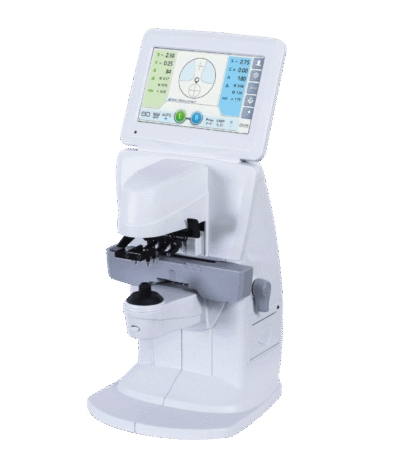
AUTO LENSMETER TL6800
Original price was: KSh 236,000.00.KSh 188,500.00Current price is: KSh 188,500.00.Hartmann sensor with 145 measurement points, ensures better result for progressive and
multi-focus recognition and more accurate results
Green spectral measurement light source
Higher level hardware, good tracing performance of the optical system and faster
measurement speed
Can measure lens of low transmittance rate (≥5%), sun glasses with dark color, tinted lens
and polarized lens
Built-in PD and printer function
UV and Blue light measurement function optional
Data can be transferred to auto phoropter
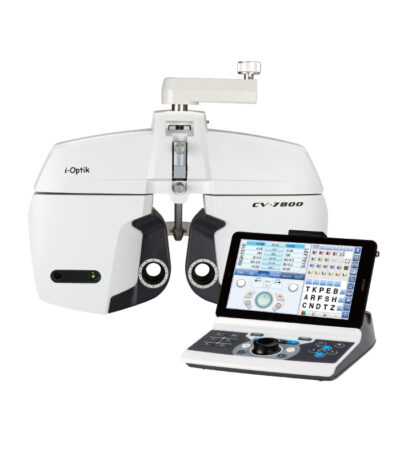
AUTO PHOROPTER CV-7800
Original price was: KSh 900,000.00.KSh 845,000.00Current price is: KSh 845,000.00.Lens switching with high speed and low noise
Operation interface with easy-to-operate layout
Two-in-one operation mode of tablet and keyboard
App supports the use of Android tablets and iPad
Equipped with split prism
Bluetooth wireless connection with tablets and other devices
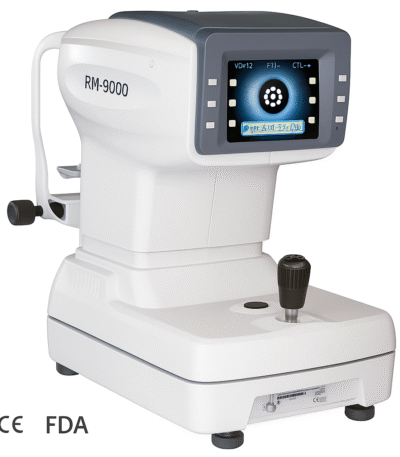
AUTO REFRACTOMETER RM9000
Original price was: KSh 385,000.00.KSh 325,000.00Current price is: KSh 325,000.00.5.7 inch color screen
Refraction
Automatic measurement after alignment
Built-in fast thermal printer
One key lock function
Data transmittance with Computerized vision tester
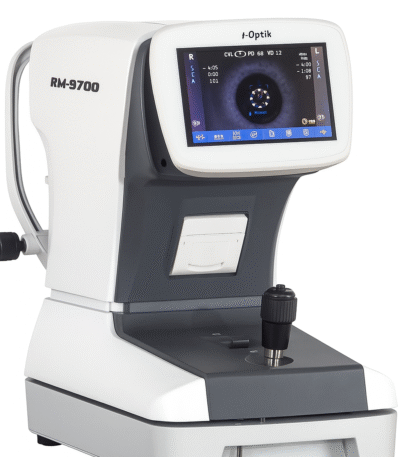
AUTO REFRACTOMETER RM9700
Original price was: KSh 455,000.00.KSh 390,000.00Current price is: KSh 390,000.00.Dual Functionality
Intelligent Image Technology
Stable Optical Algorithm
User-Friendly Operation
High Measurement Accuracy
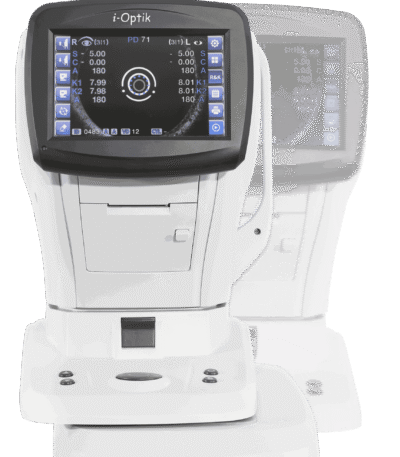
AUTO REFRACTOMETER/KERATOMETER ARK-910
Original price was: KSh 670,000.00.KSh 650,000.00Current price is: KSh 650,000.00. Order via WhatsApp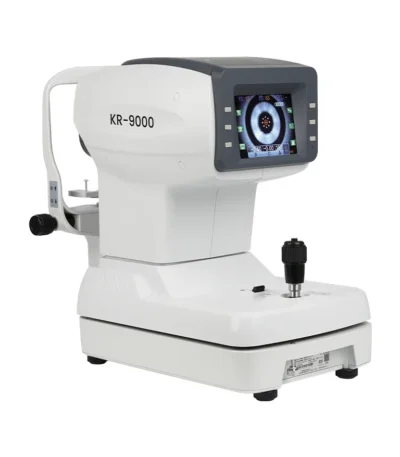
AUTO REFRACTOMETER/KERATOMETERKR9000
Original price was: KSh 480,000.00.KSh 455,000.00Current price is: KSh 455,000.00.5.7 inch color screen
Refraction and Corneal curvature measurement
Automatic measurement after alignment
Built-in fast thermal printer
One key lock function
Data transmittance with Computerized vision tester
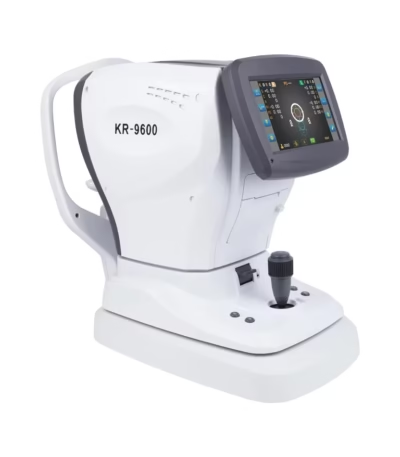
AUTO REFRACTOMETER/KERATOMETERKR9600
Original price was: KSh 600,000.00.KSh 520,000.00Current price is: KSh 520,000.00.7.0 inch touch screen
Y axis auto tracking
Motorized chin rest and joystick
Built-in fast thermal printer
One key lock function
Data transmittance with Computerized vision tester
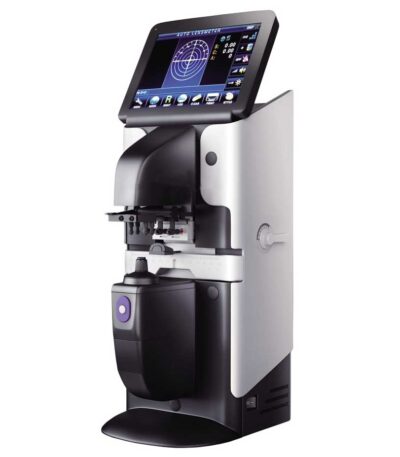
Auto-Lensmeter
Original price was: KSh 180,000.00.KSh 175,000.00Current price is: KSh 175,000.00.An Auto-Lensmeter (also called an Automatic Lensmeter or Auto Lens Analyzer) is an electronic optical instrument used in optical clinics and eye hospitals to measure the prescription of eyeglass lenses quickly and accurately.
It determines the lens power, optical center, prism, and axis of cylindrical lenses — essential for verifying prescriptions and aligning lenses in new spectacles.
Auto-Refractometer with Keratometer
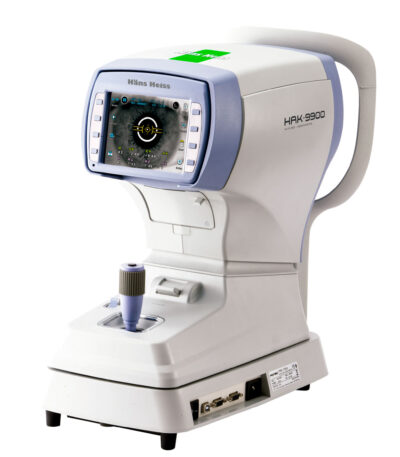
Original price was: KSh 415,000.00.KSh 410,000.00Current price is: KSh 410,000.00.An Auto-Refractometer with Keratometer is an automated optical diagnostic instrument used in eye clinics and hospitals to measure refractive errors (such as myopia, hyperopia, and astigmatism) and assess the curvature of the cornea (keratometry).
It combines two key functions — autorefraction and keratometry — in one device, providing quick, accurate, and objective measurements essential for prescribing corrective lenses and for contact lens fitting.
Autoclave Tape
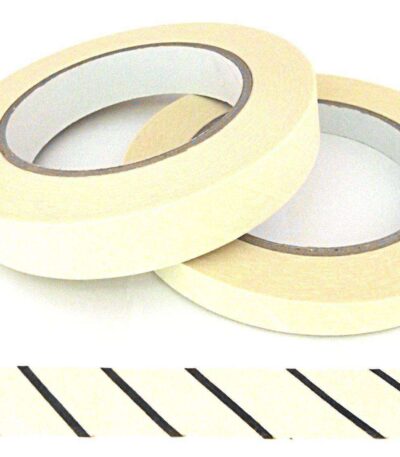
Original price was: KSh 500.00.KSh 350.00Current price is: KSh 350.00.Key Features
-
Adhesive backing for sticking to instrument packs, linen wraps, paper, or plastic.
-
Chemical indicator lines that change color during sterilization.
-
Works in steam autoclaves (typically 121°C–134°C).
-
Easy to write on (date, batch, initials).
-
Usually comes in rolls (commonly 1 inch × 50 meters, varies by manufacturer).
How It Is Used
-
Apply tape to wrapped instruments or packs before loading into the autoclave.
-
Run the autoclave cycle.
-
After sterilization, visually confirm that the indicator lines have changed color.
-
Document and store packs appropriately.
Important Notes
-
Autoclave tape does not replace biological or chemical indicator strips.
-
It only shows exposure, not whether the correct pressure/time was fully met.
-
Should be used along with:
-
Class 4/5/6 chemical indicators
-
Biological spore tests (for full sterility assurance)
-
Autoclaving Pouch (Sterilization Pack)
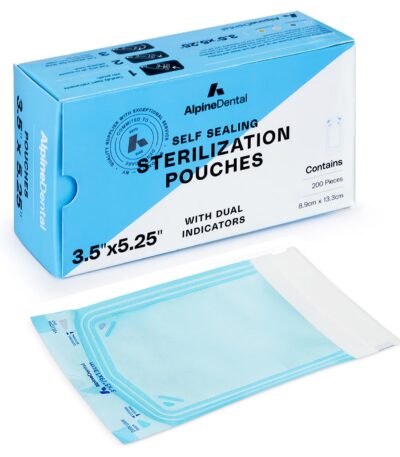
Original price was: KSh 2,600.00.KSh 2,000.00Current price is: KSh 2,000.00.An Autoclaving Pouch, also known as a Sterilization Pouch or Autoclave Bag, is a heat-sealable medical-grade packaging used to enclose and protect dental and surgical instruments during steam sterilization (autoclaving). It maintains the sterility of instruments until they are ready for use.
Automated External Defibrillator (AED)
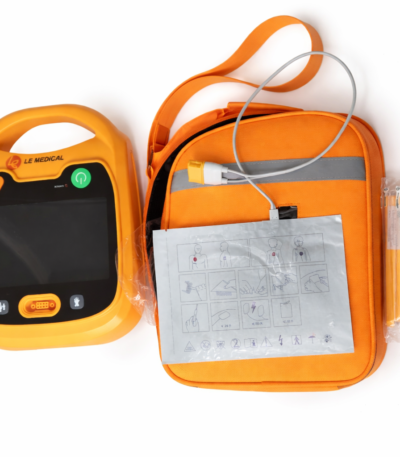
Original price was: KSh 180,000.00.KSh 130,000.00Current price is: KSh 130,000.00.An Automated External Defibrillator (AED) is a portable, easy-to-use medical device designed to treat sudden cardiac arrest. It automatically analyzes the heart’s rhythm and, if needed, delivers a controlled electric shock to help restore a normal heartbeat. AEDs are designed for use by both medical professionals and trained laypersons in emergency situations.
Key Features:
-
Automatic operation: Guides the user with voice and visual prompts for safe and effective shock delivery.
-
Rapid response: Quickly analyzes heart rhythm and advises when a shock is necessary.
-
Portability: Lightweight and compact, suitable for hospitals, clinics, workplaces, public areas, and emergency response vehicles.
-
Safety features: Prevents accidental shocks to the user and ensures the shock is only delivered when needed.
-
Battery-powered: Reliable operation even in locations without direct power supply.


