

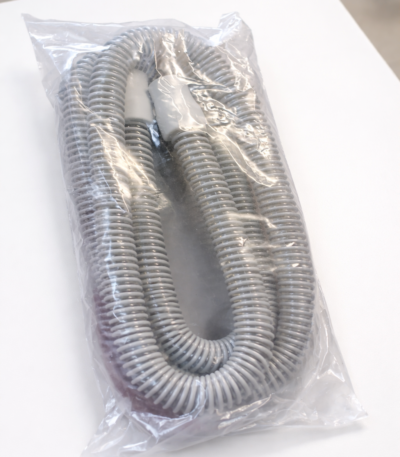
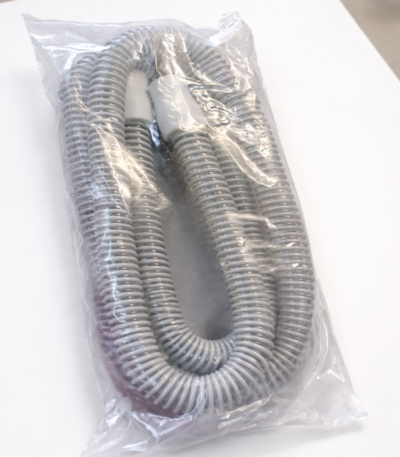
CPAP Machine Tubing
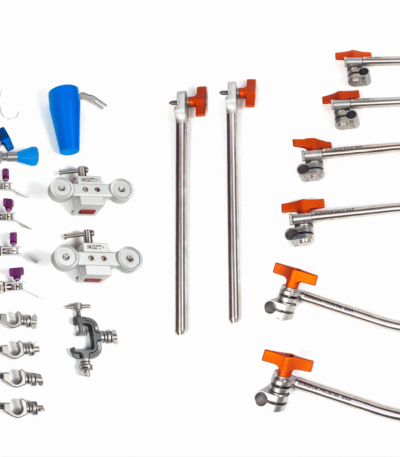
Craniotomy Major Set
1. Cutting and Dissecting Instruments
-
Scalpels and Blades: For making precise incisions through the scalp and soft tissues.
-
Periosteal Elevator (e.g., Molt, Freer): Used to lift and separate the periosteum from the skull surface.
-
Rongeurs (Kerrison, Leksell): For nibbling and enlarging bone openings.
-
Bone Chisel and Mallet: Used to create initial bone cuts when power tools are unavailable.
-
Bone File / Rasp: Smoothens rough bone edges after bone removal.
2. Bone-Cutting and Drilling Instruments
-
Hudson Brace and Burr Set: A manual or powered drill used to create burr holes in the skull.
-
Craniotome (Electric or Manual): For cutting between burr holes to lift the bone flap.
-
Gigli Saw with Handles: A flexible wire saw used for controlled bone cutting.
-
Penfield Dissector Set: Used for delicate dissection around dura and bone edges.
3. Retracting and Exposing Instruments
-
Scalp Retractors (Adson, Weitlaner): Hold back the scalp and soft tissues.
-
Dura Hook and Retractor: Used to lift and protect the dura mater during bone work.
-
Brain Spatulas / Retractors (Leyla, Greenberg): For gently retracting brain tissue without causing injury.
4. Hemostatic Instruments
-
Hemostatic Forceps (Mosquito, Kelly, Crile): To control bleeding from scalp and bone edges.
-
Raney Clips and Applier: Used along the scalp incision to prevent bleeding from skin edges.
-
Bone Wax: Applied to exposed bone surfaces to control oozing from diploic veins.
5. Holding and Grasping Instruments
-
Towel Clamps (Backhaus): Secure drapes and skin edges.
-
Tissue Forceps (Adson, DeBakey): Handle delicate tissues.
-
Needle Holders (Mayo-Hegar, Castroviejo): For suturing scalp and dura.
6. Dural and Brain Instruments
-
Dural Scissors: For opening the dura mater safely.
-
Dural Hook: Helps lift and manipulate the dura during incision.
-
Aneurysm Clips and Applicator (Optional): Used in vascular neurosurgery to control bleeding from cerebral vessels.
7. Miscellaneous Instruments
-
Suction Tubes (Frazier, Yankauer): For clearing blood and fluids from the operative site.
-
Bipolar Forceps: Used with an electrosurgical unit for coagulation with minimal thermal spread.
-
Irrigation Cannula and Syringe: For cleaning and cooling the surgical area.
-
Stainless Steel Basin / Sterilizing Box: For organizing and sterilizing instruments.
Craniotomy Set
1. Cutting and Dissecting Instruments
-
Scalpels and Blades: For making precise incisions through the scalp and soft tissues.
-
Periosteal Elevator (e.g., Molt, Freer): Used to lift and separate the periosteum from the skull surface.
-
Rongeurs (Kerrison, Leksell): For nibbling and enlarging bone openings.
-
Bone Chisel and Mallet: Used to create initial bone cuts when power tools are unavailable.
-
Bone File / Rasp: Smoothens rough bone edges after bone removal.
2. Bone-Cutting and Drilling Instruments
-
Hudson Brace and Burr Set: A manual or powered drill used to create burr holes in the skull.
-
Craniotome (Electric or Manual): For cutting between burr holes to lift the bone flap.
-
Gigli Saw with Handles: A flexible wire saw used for controlled bone cutting.
-
Penfield Dissector Set: Used for delicate dissection around dura and bone edges.
3. Retracting and Exposing Instruments
-
Scalp Retractors (Adson, Weitlaner): Hold back the scalp and soft tissues.
-
Dura Hook and Retractor: Used to lift and protect the dura mater during bone work.
-
Brain Spatulas / Retractors (Leyla, Greenberg): For gently retracting brain tissue without causing injury.
4. Hemostatic Instruments
-
Hemostatic Forceps (Mosquito, Kelly, Crile): To control bleeding from scalp and bone edges.
-
Raney Clips and Applier: Used along the scalp incision to prevent bleeding from skin edges.
-
Bone Wax: Applied to exposed bone surfaces to control oozing from diploic veins.
5. Holding and Grasping Instruments
-
Towel Clamps (Backhaus): Secure drapes and skin edges.
-
Tissue Forceps (Adson, DeBakey): Handle delicate tissues.
-
Needle Holders (Mayo-Hegar, Castroviejo): For suturing scalp and dura.
6. Dural and Brain Instruments
-
Dural Scissors: For opening the dura mater safely.
-
Dural Hook: Helps lift and manipulate the dura during incision.
-
Aneurysm Clips and Applicator (Optional): Used in vascular neurosurgery to control bleeding from cerebral vessels.
7. Miscellaneous Instruments
-
Suction Tubes (Frazier, Yankauer): For clearing blood and fluids from the operative site.
-
Bipolar Forceps: Used with an electrosurgical unit for coagulation with minimal thermal spread.
-
Irrigation Cannula and Syringe: For cleaning and cooling the surgical area.
-
Stainless Steel Basin / Sterilizing Box: For organizing and sterilizing instruments.
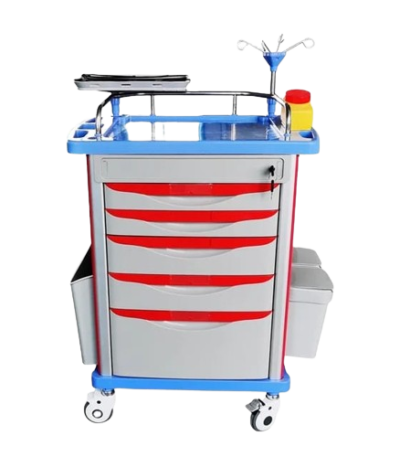
Crash Cart
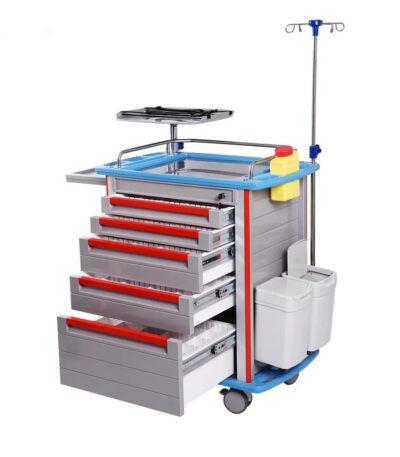
A crash cart is a fully equipped emergency trolley designed to provide rapid access to lifesaving supplies during critical situations. It is organized in drawers and compartments so medical staff can quickly find what they need when responding to cardiac arrest, respiratory failure, or other urgent emergencies.
A typical crash cart includes essentials such as emergency medications, defibrillation equipment, airway management tools, IV supplies, and monitoring accessories. The cart is built on sturdy wheels for easy movement and often comes with color-coded or labeled drawers to speed up response time.
Reliable, well-organized, and always ready for use, a crash cart is a vital piece of equipment in hospitals, operating rooms, emergency departments, and critical care areas.
Crash Cart (Emergency Trolley)
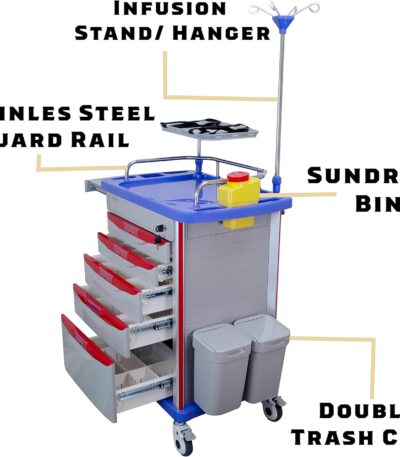
The crash cart is a multi-drawer trolley mounted on castor wheels for easy mobility. It is typically made of stainless steel or powder-coated steel, designed to withstand frequent movement and cleaning. Each drawer is labeled and organized for quick access to emergency items such as airway devices, defibrillator accessories, IV supplies, and emergency medications.
It often includes a work surface on top, side bins, and mounting brackets for equipment like an oxygen cylinder, defibrillator, or suction unit.
CWM-201A Anesthesia System
Cylinder Flowmeters – Side Loading Flowmeter
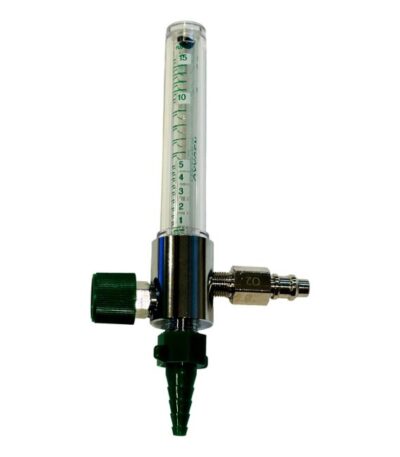
A side loading cylinder flowmeter is a medical gas flow control device designed to be mounted on the side outlet of an oxygen gas cylinder. It regulates and displays the flow rate of oxygen being delivered from the cylinder to a patient or medical equipment.
Description
The side loading flowmeter connects directly to the cylinder’s side valve outlet, making it compact, stable, and easy to install without requiring additional fittings. It allows precise adjustment of oxygen flow, typically measured in liters per minute (L/min), using a clearly marked flow tube or dial.
Key Features
-
Side-mounted design: Attaches securely to the side outlet of oxygen cylinders
-
Accurate flow control: Enables precise regulation of oxygen delivery
-
Clear flow indication: Easy-to-read scale for quick monitoring
-
Durable construction: Made from high-quality metal and impact-resistant materials
-
Leak-resistant: Equipped with sealing washers or O-rings for safe operation
-
User-friendly control knob: Smooth adjustment of flow rates
Typical Flow Range
Commonly available in ranges such as:
-
0–5 L/min
-
0–10 L/min
-
0–15 L/min
Applications
-
Hospitals and clinics
-
Ambulances and emergency services
-
Home oxygen therapy
-
Field and portable medical setups
Advantages
-
Compact and space-saving
-
Quick installation and removal
-
Reliable performance for continuous oxygen delivery
-
Suitable for both stationary and mobile use
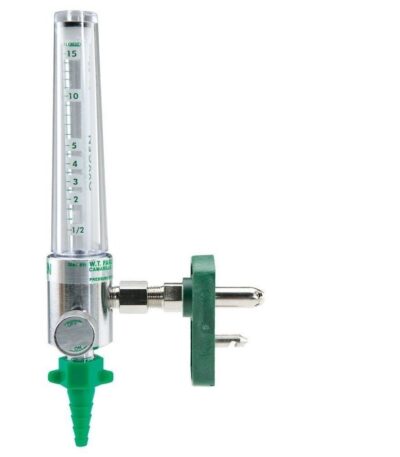
Cylinder Flowmeters – Top Loading Flowmeter
A top loading cylinder flowmeter is a medical oxygen flow control device designed to mount vertically on top of an oxygen cylinder valve. It regulates and displays the amount of oxygen delivered from the cylinder to a patient or medical device, measured in liters per minute (L/min).
Description
The top loading flowmeter is fitted directly onto the top outlet of an oxygen cylinder, providing a straight, upright installation. This vertical orientation allows for clear visibility of the flow scale and stable operation. Flow is adjusted using a control knob, enabling accurate and consistent oxygen delivery.
Key Features
-
Top-mounted design: Attaches vertically to the cylinder valve
-
Precise flow regulation: Allows controlled oxygen delivery
-
Clear flow indicator: Transparent tube with easy-to-read graduations
-
Strong and durable build: Made from medical-grade metal and impact-resistant components
-
Secure sealing: Prevents gas leakage when properly fitted
-
Smooth control knob: Enables fine adjustment of oxygen flow
Typical Flow Range
Common flow ranges include:
-
0–5 L/min
-
0–10 L/min
-
0–15 L/min
Applications
-
Hospitals and clinics
-
Emergency and ambulance services
-
Home oxygen therapy
-
Temporary and mobile oxygen setups
Advantages
-
Easy to read due to vertical alignment
-
Stable mounting on the cylinder
-
Reliable and accurate oxygen delivery
-
Simple installation and removal
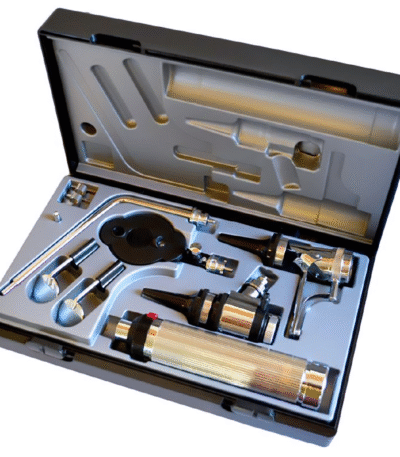
Diagnostic Set
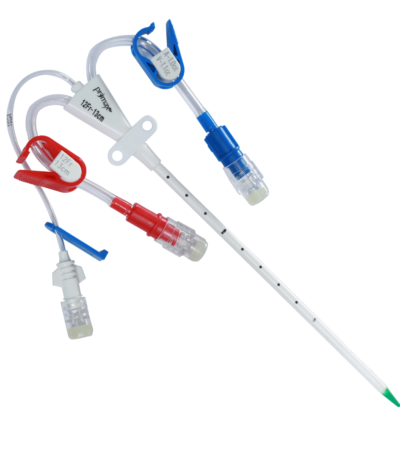
Dialysis Catheter
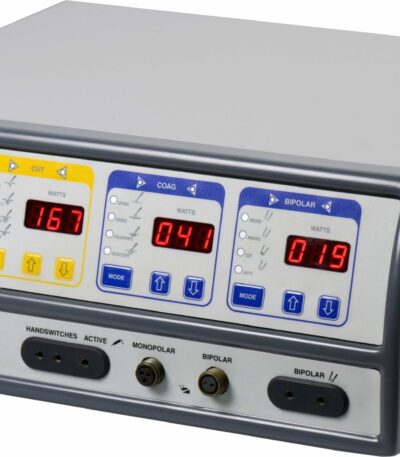
Diathermy Elektro (400 Watts)
Key Features
-
400 Watts of power for reliable and consistent performance
-
Adjustable intensity settings for different tissue types and surgical requirements
-
Foot pedal or hand control for convenient operation
-
Compact and portable design suitable for operating theatres
-
Safety features to prevent accidental burns or shocks
Ideal For
-
General surgery, minor procedures, and elective operations
-
Hospitals, clinics, and surgical centers that require efficient hemostasis
-
Surgeons who need precision cutting and coagulation in one device
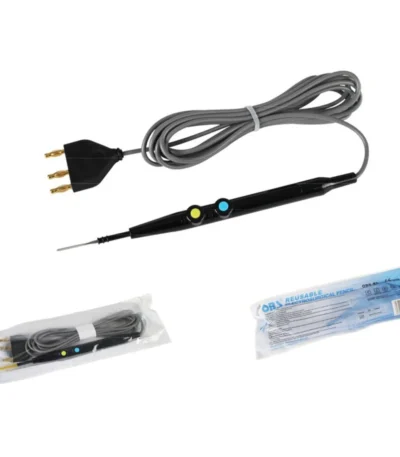
Diathermy Pencil (Reusable Type)
A reusable diathermy pencil, also known as an electrosurgical handpiece, is a precision instrument used in operating theatres to cut, coagulate, desiccate, or fulgurate tissue by delivering high-frequency electrical current from an electrosurgical generator to the surgical site.
It is designed for multiple sterilization cycles, offering both economy and reliability for surgical teams.


